Meta Description :
Learn how automated fabric spreading and rolling systems cut waste, boost speed, and drive higher profits in today’s competitive textile industry.
Profit More, Waste Less: The Case for Spreading Automation!
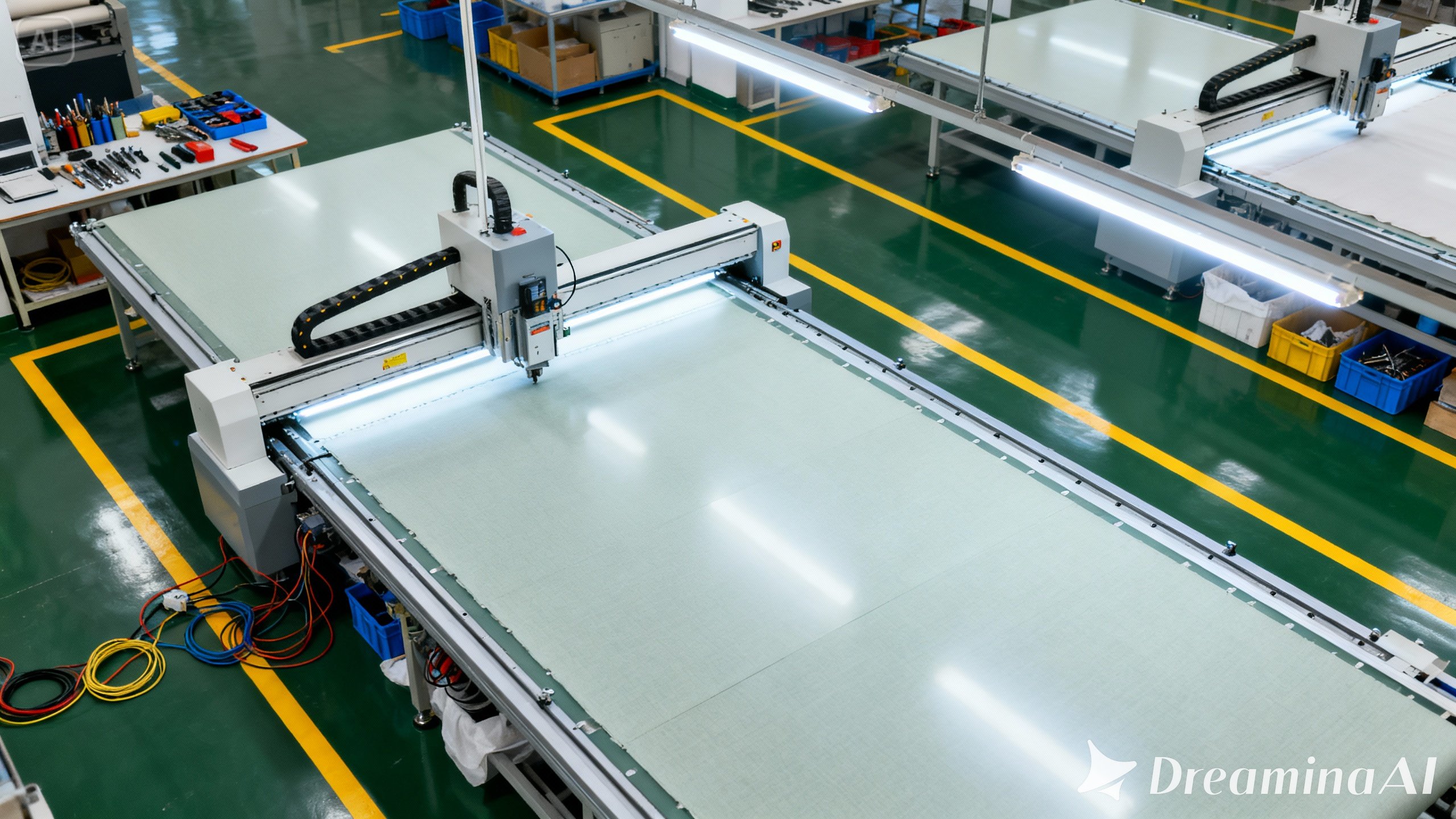
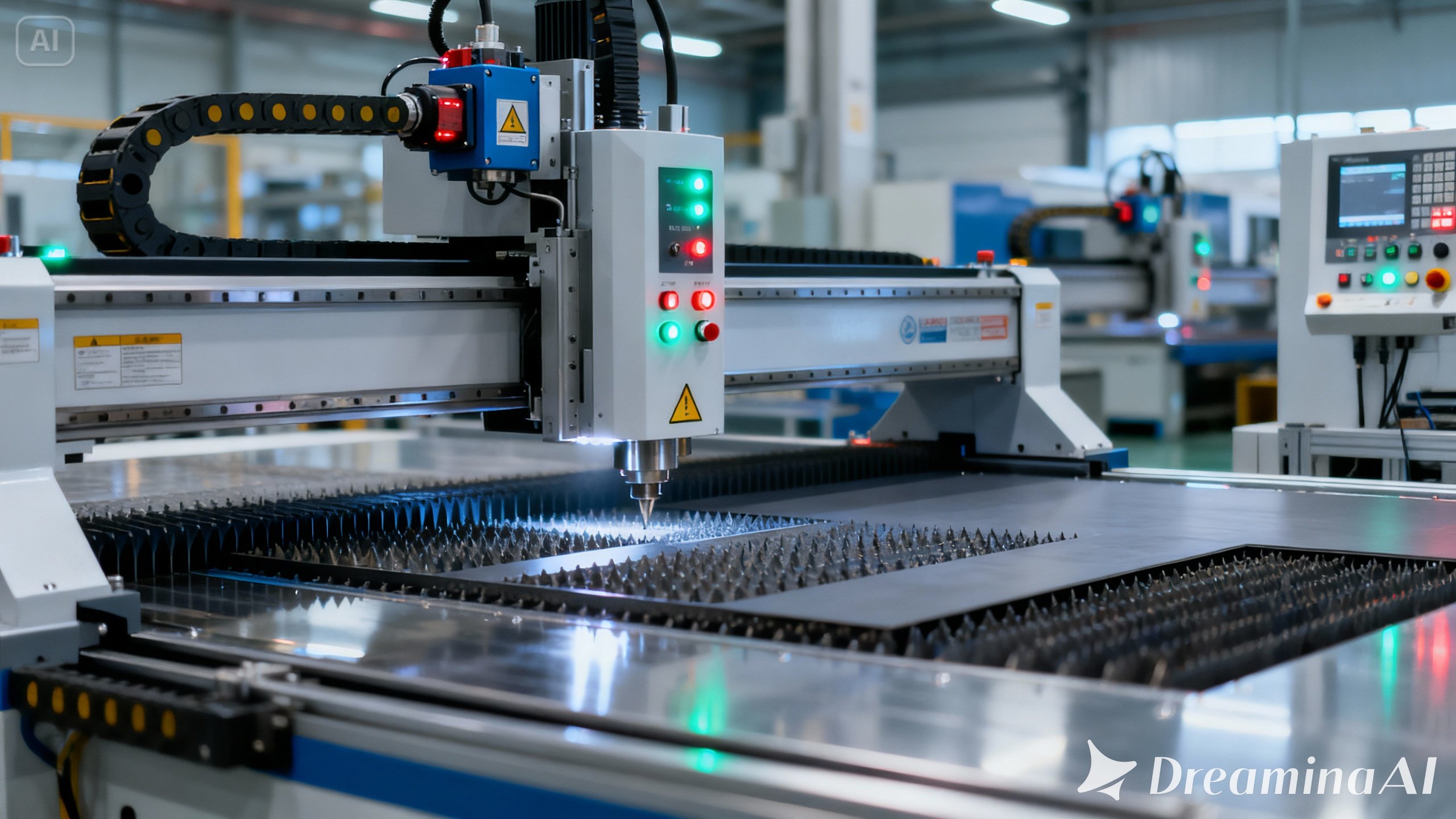
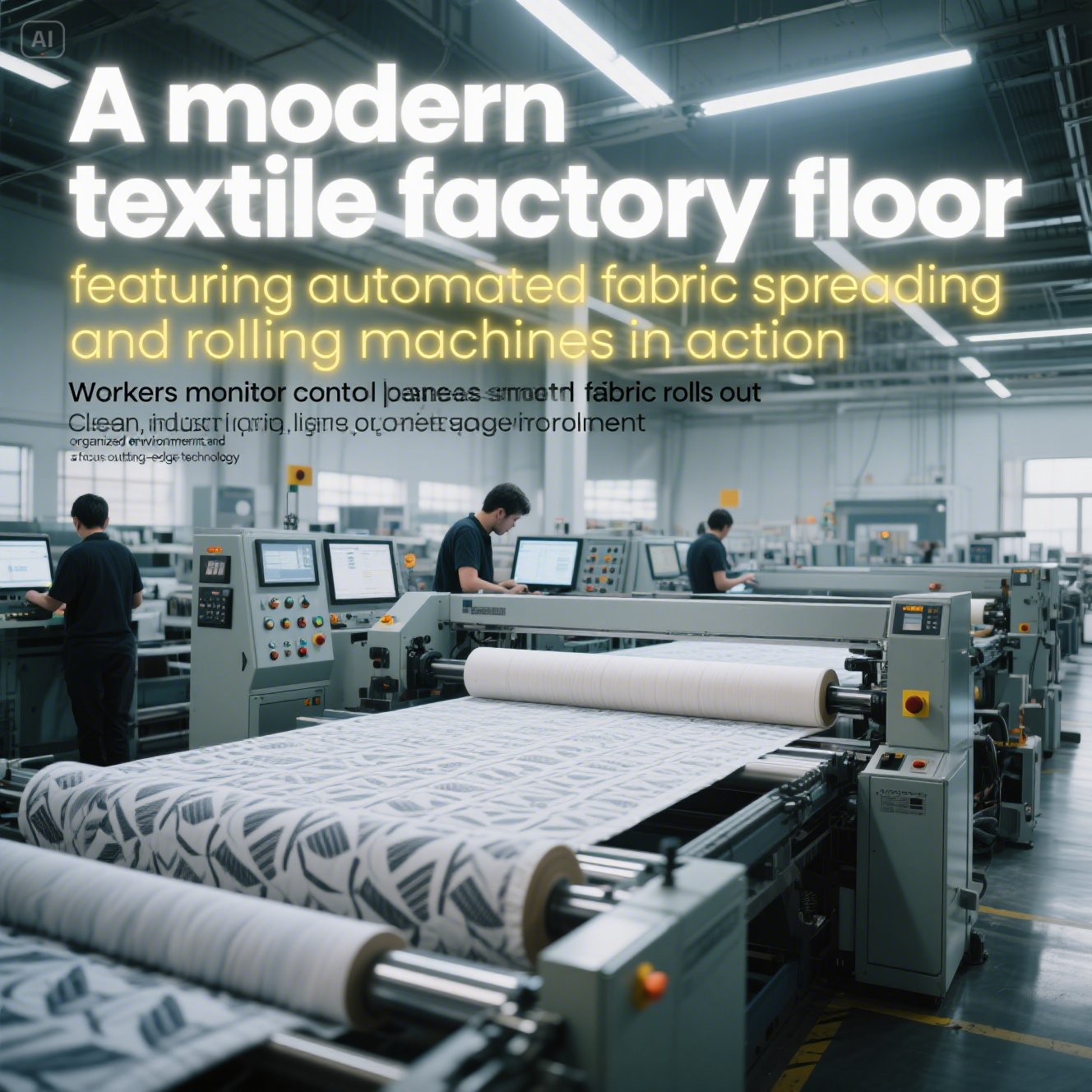
In today’s competitive textile industry, efficiency and cost-effectiveness have become essential for long-term success. One of the most impactful upgrades being adopted by factories worldwide is the automation of fabric spreading and rolling processes. Though it may seem like a large investment at first, the profitability gains are significant and measurable.
Why Manual Methods Are Falling Behind
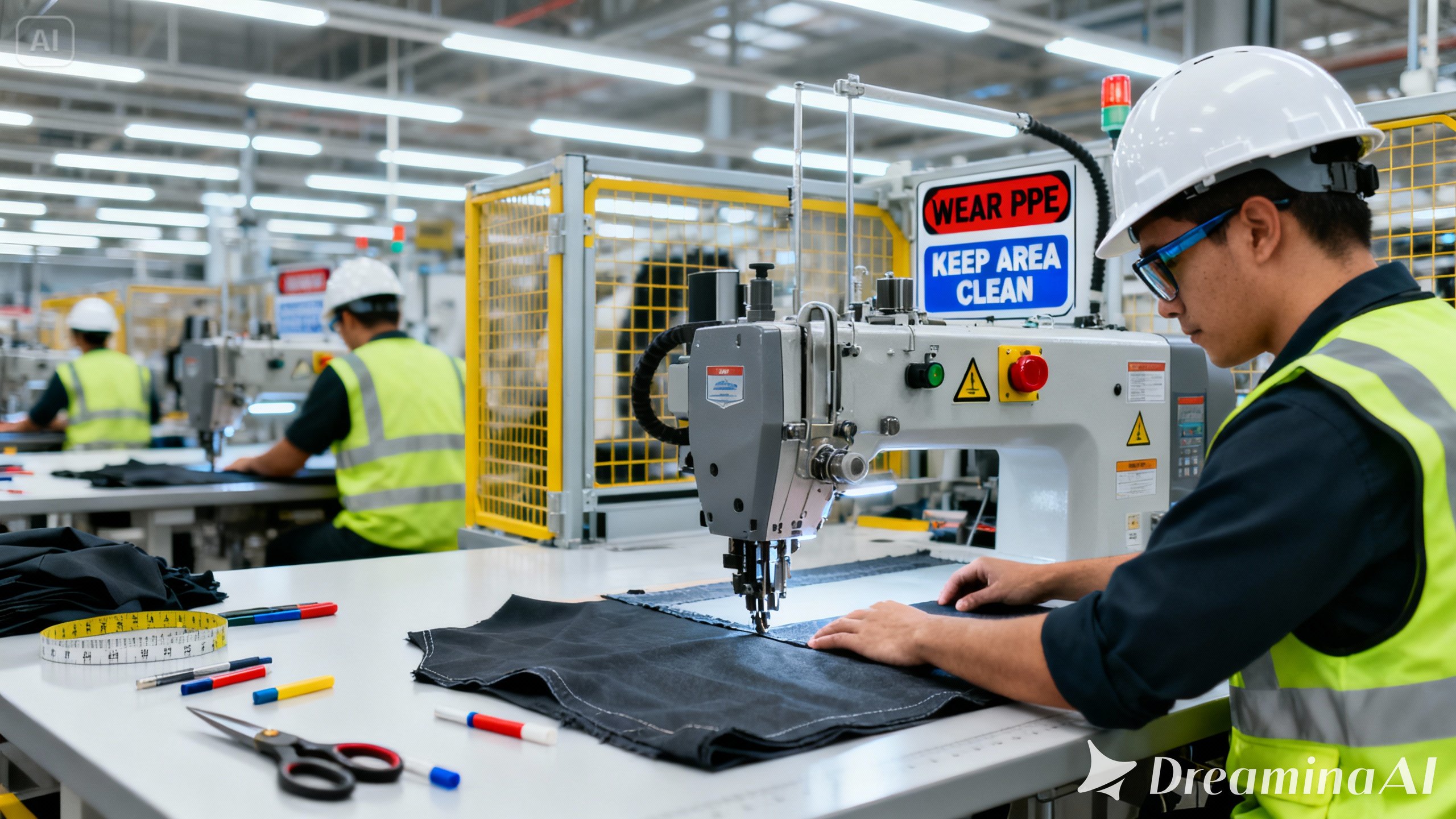
For years, many factories have relied on manual spreading and rolling. Manual handling often causes human error, uneven fabric tension, and increased material waste. As a result, workers lose time, productivity decreases, and profits decline .Additionally, rising manual labor costs make it harder to find skilled workers.
In contrast, automated systems consistently deliver higher precision and uniformity, leading to better fabric quality and reduced rework.
The Financial Impact of Automation
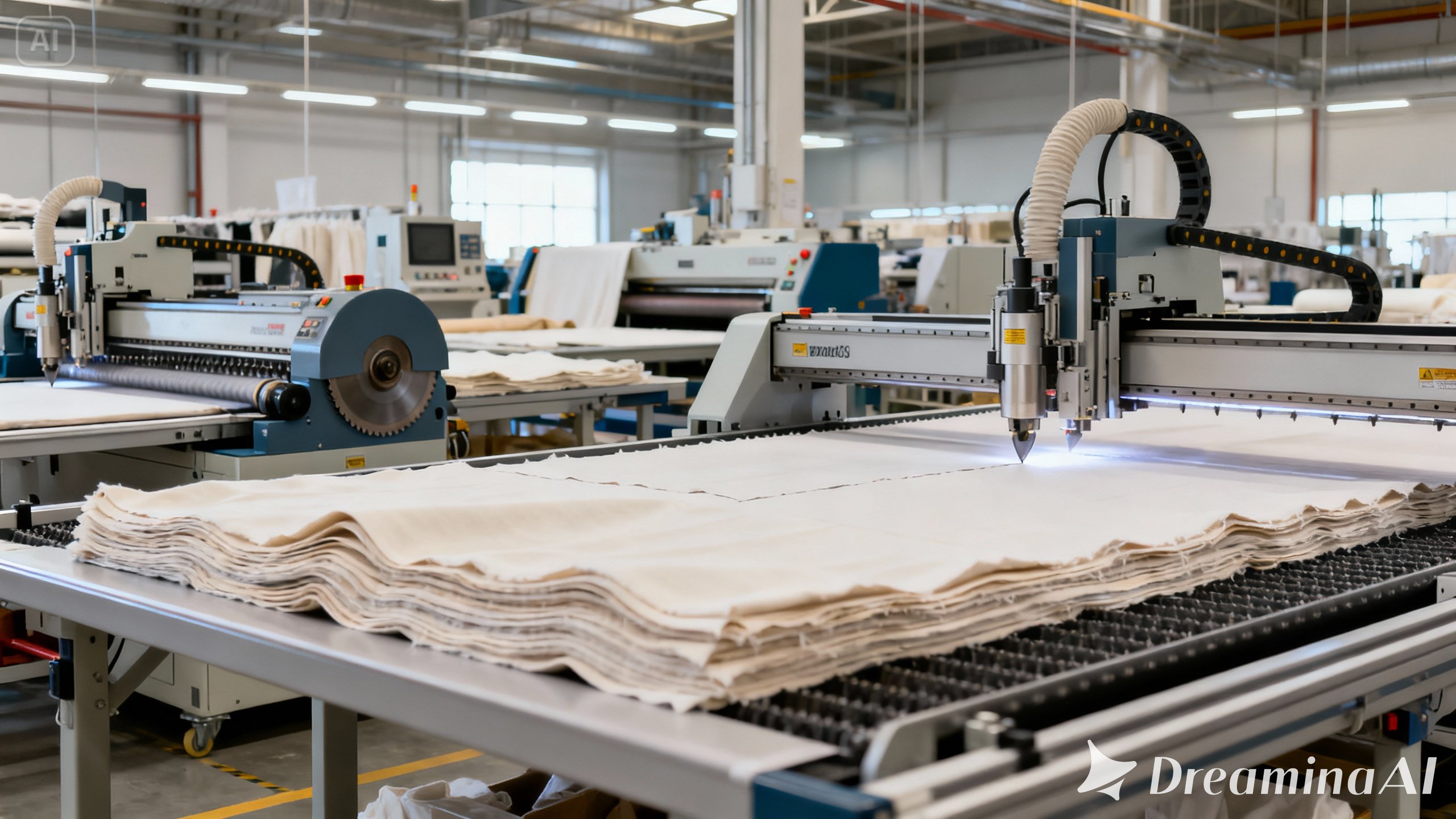
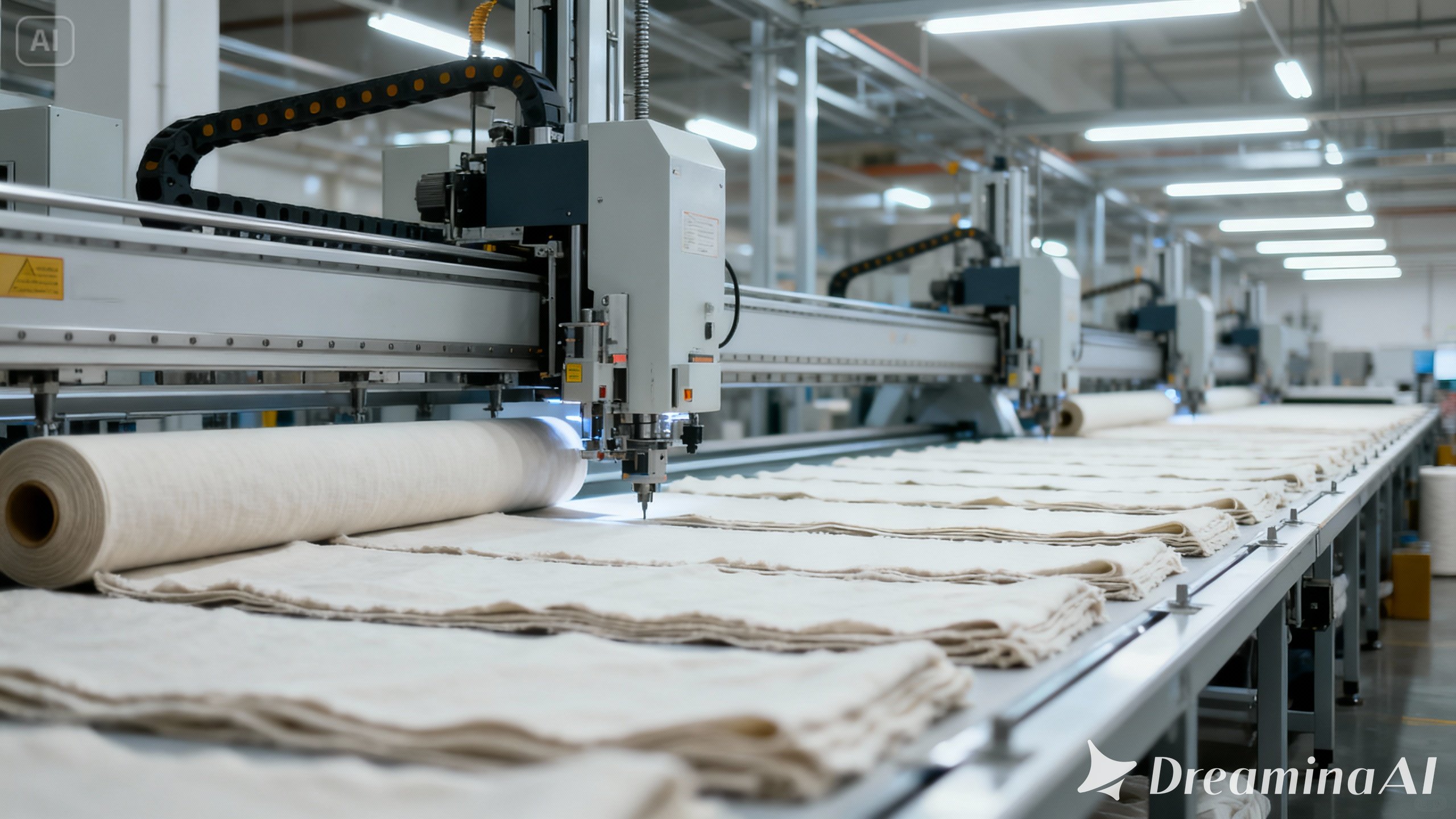
It has been observed that automated fabric spreading and rolling systems can reduce material waste by up to 10% and increase production output by 20–30%. These improvements result from precise alignment, consistent tension control, and faster processing speeds. More importantly, these systems minimize downtime and enhance operational consistency two factors that directly impact a factory’s bottom line.
Additional Benefits That Drive ROI
Beyond the immediate cost savings, automation improves workplace safety, reduces dependency on manual labor, and minimizes training time. Moreover, the integration of smart sensors and software means real-time data can be used to improve future production cycles.
Furthermore, fewer fabric defects and higher-quality outputs enhance customer satisfaction, which contributes to long-term revenue growth.
Transitioning to Automation Is It Worth It?
Certainly, initial investment in spreading and rolling automation might seem costly. However, over time, the return on investment becomes clear through reduced operational costs, fewer errors, and faster production cycles.
In fact, many textile manufacturers have reported recovering their investment within 12 to 18 months due to increased efficiency and lower material waste.
Conclusion
To remain competitive in today’s fast-paced textile environment, embracing automation is no longer optional it’s essential. By upgrading to automated fabric spreading and rolling systems, factories not only increase their profitability but also position themselves for future growth