
Meta Description:
Discover the must-have features in modern fabric spreaders that ensure precision, safety, energy efficiency, and smarter operations. Learn how the right machine can transform your textile production.
Introduction:
Why Modern Fabric Spreaders Are Essential
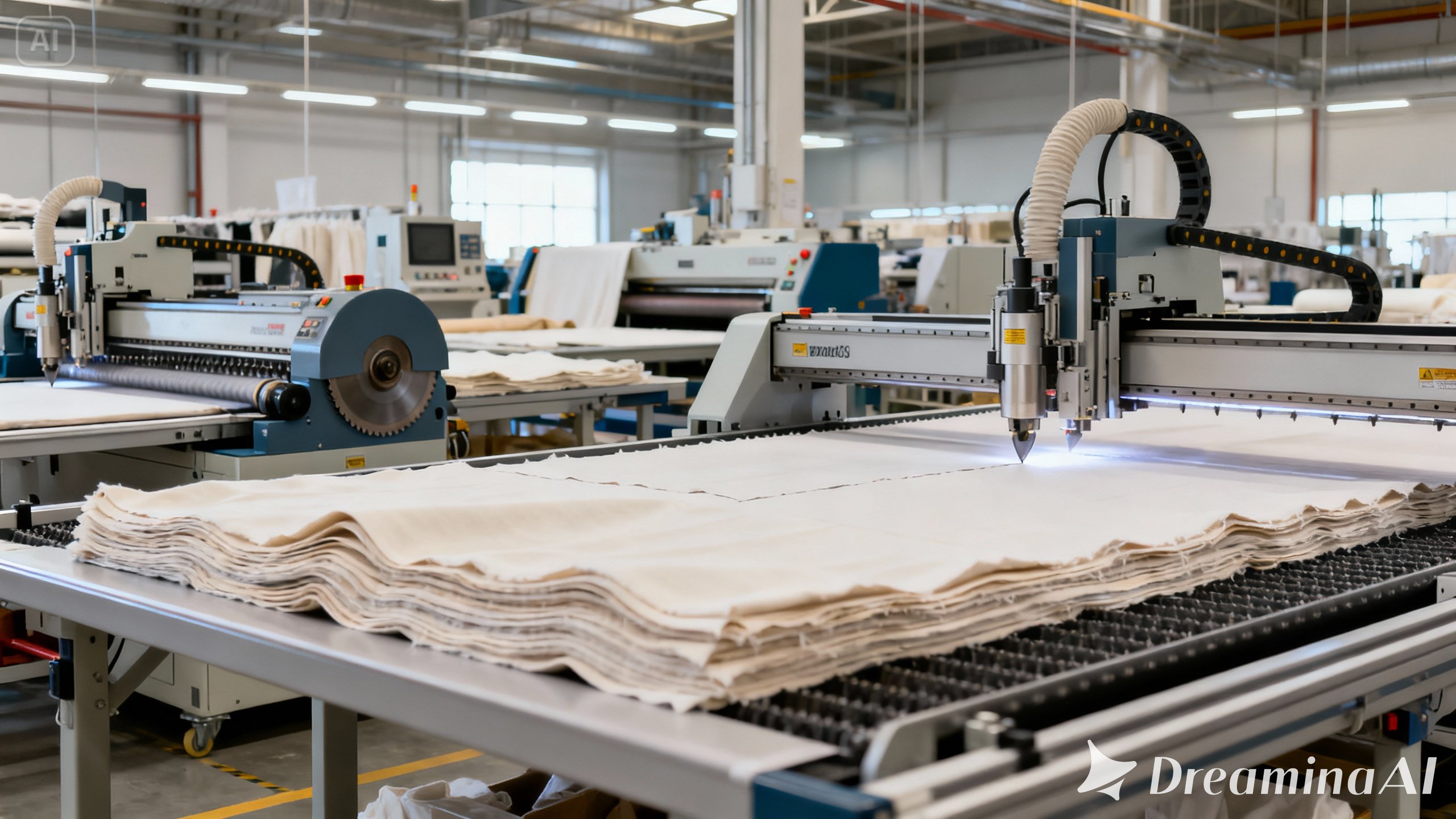
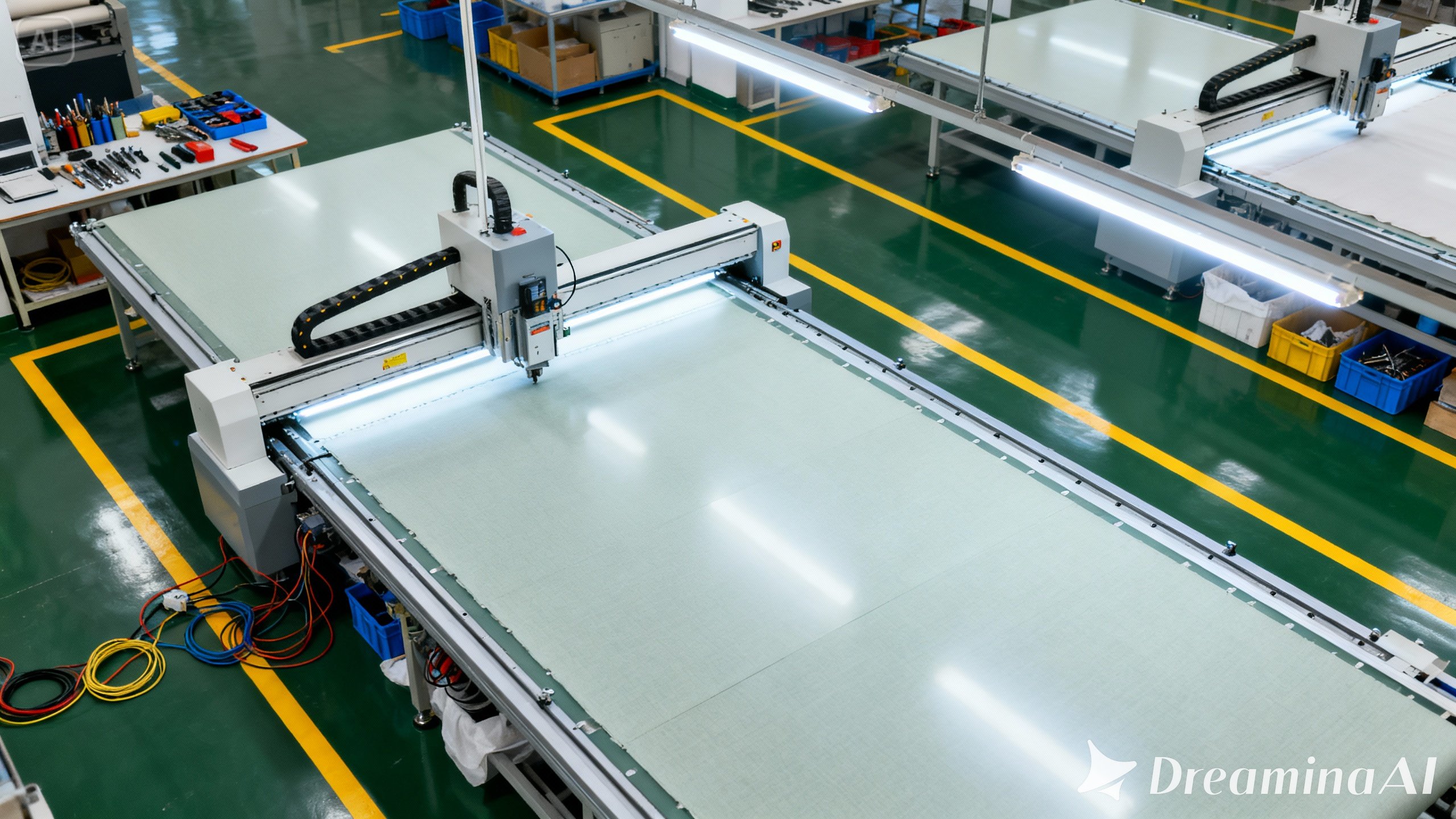
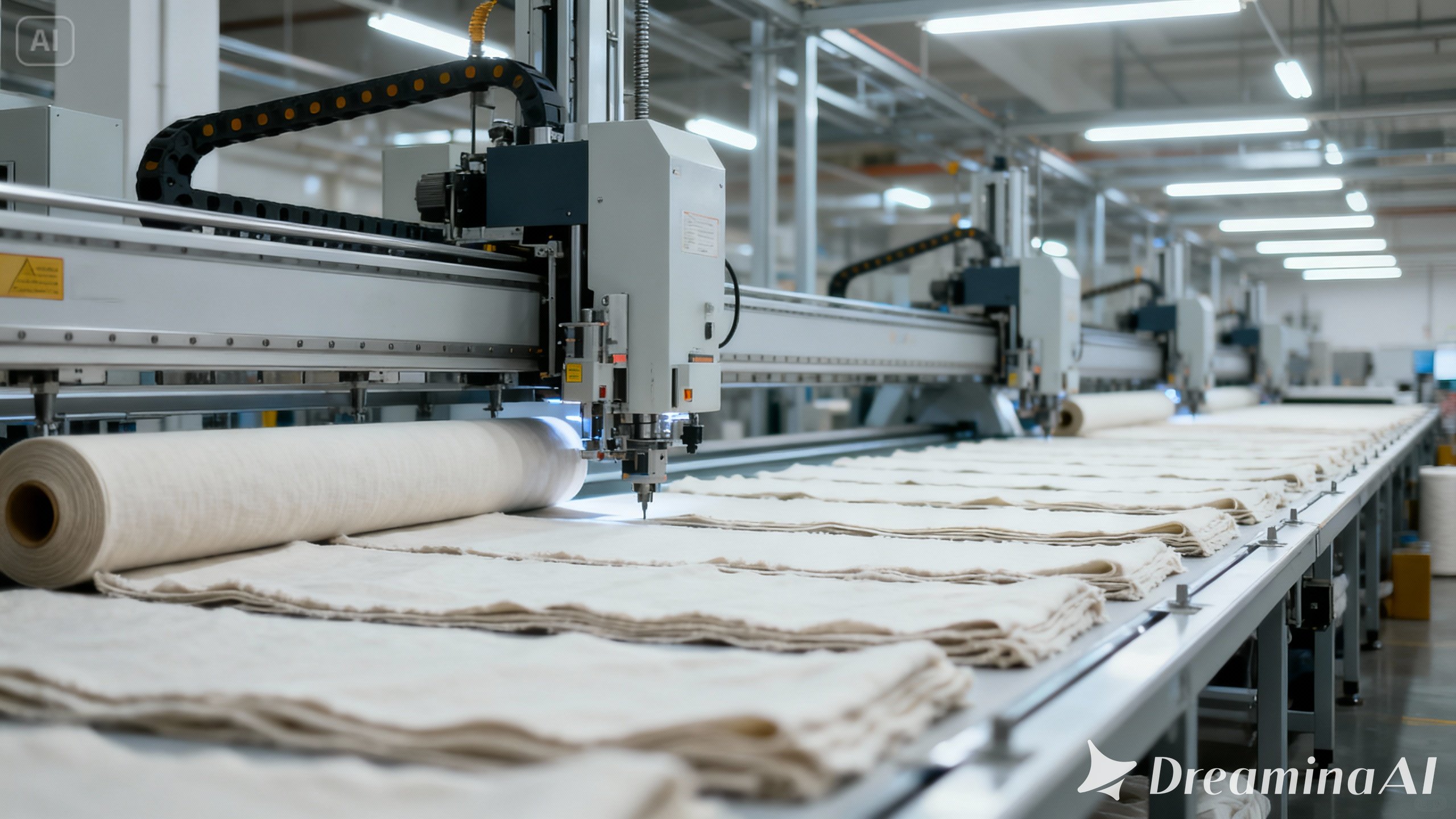
In today’s competitive garment and textile industry, professionals increasingly recognize the need for accuracy, speed, and waste reduction. Modern fabric spreaders serve as indispensable machines that redefine efficiency in cutting rooms. To understand their importance fully, one must note that selecting the right features in a fabric spreader can ensure that production runs smoothly or prevent it from being hindered.
“Automation Ensures Precise Control”
One of the most vital features in a modern fabric spreader is advanced automation technology. Automation reduces manual errors and guarantees consistent spreading across multiple fabric layers. Furthermore, automated tension control handles fabrics carefully, preventing stretching or distortion. As a result, production quality improves, and rework decreases.
“Manufacturers Prioritize Energy Efficiency”
In an era demanding sustainability, modern fabric spreaders incorporate energy-saving systems. These systems lower power consumption and significantly reduce operational costs. Additionally, industries promote eco-friendly designs that help achieve both high productivity and environmental responsibility.
Manufacturers Enhance Safety Features for Operators”
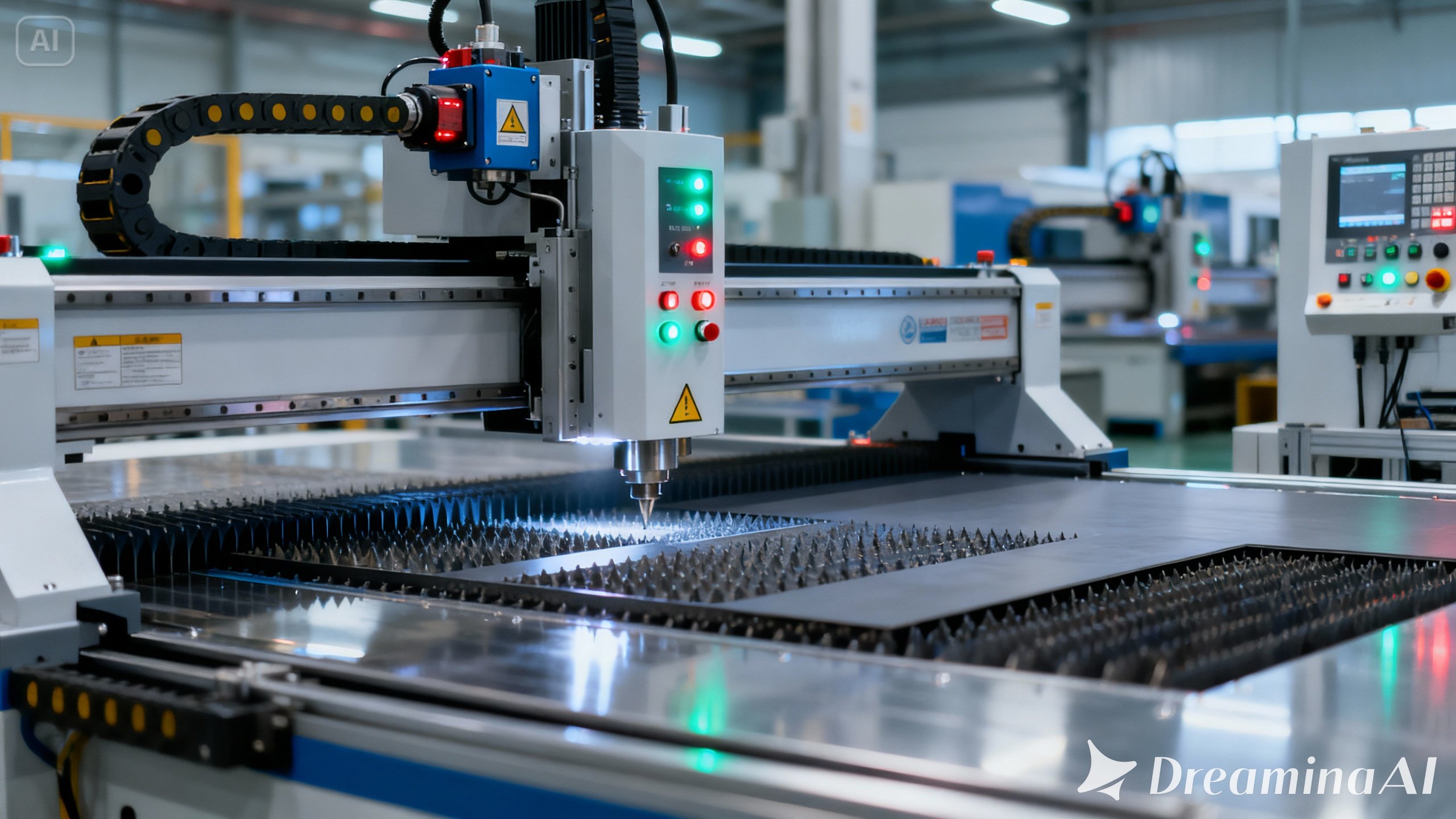
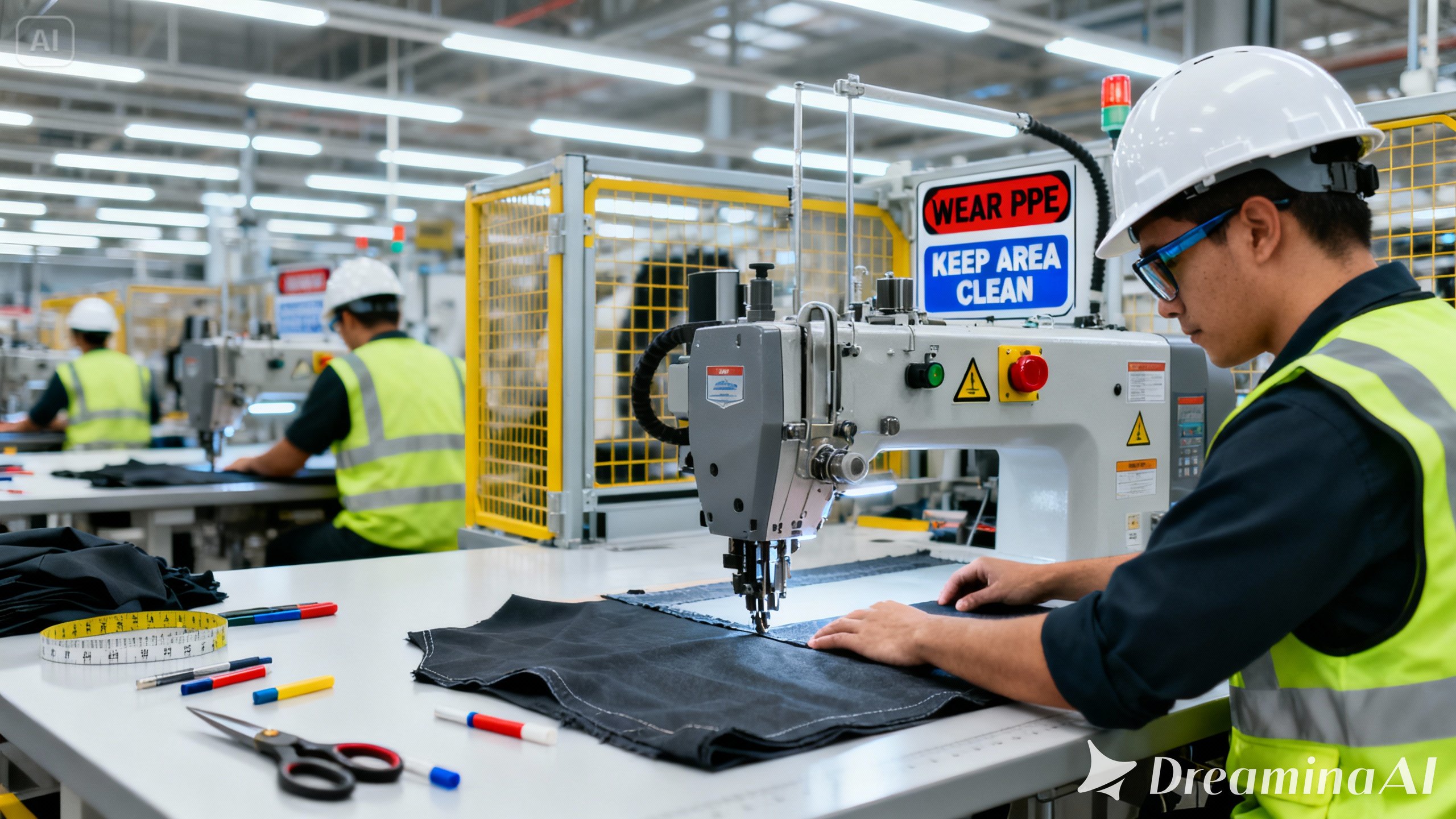
Operator safety remains a top priority in modern spreading systems. Manufacturers implement features like emergency stop buttons, automatic brake systems, and protective guards. These measures prevent accidents and foster a safe working environment. Additionally, designers introduce ergonomic features to reduce operator fatigue, even during long working hours.
“Companies Adopt Digital Monitoring for Smarter Operations”
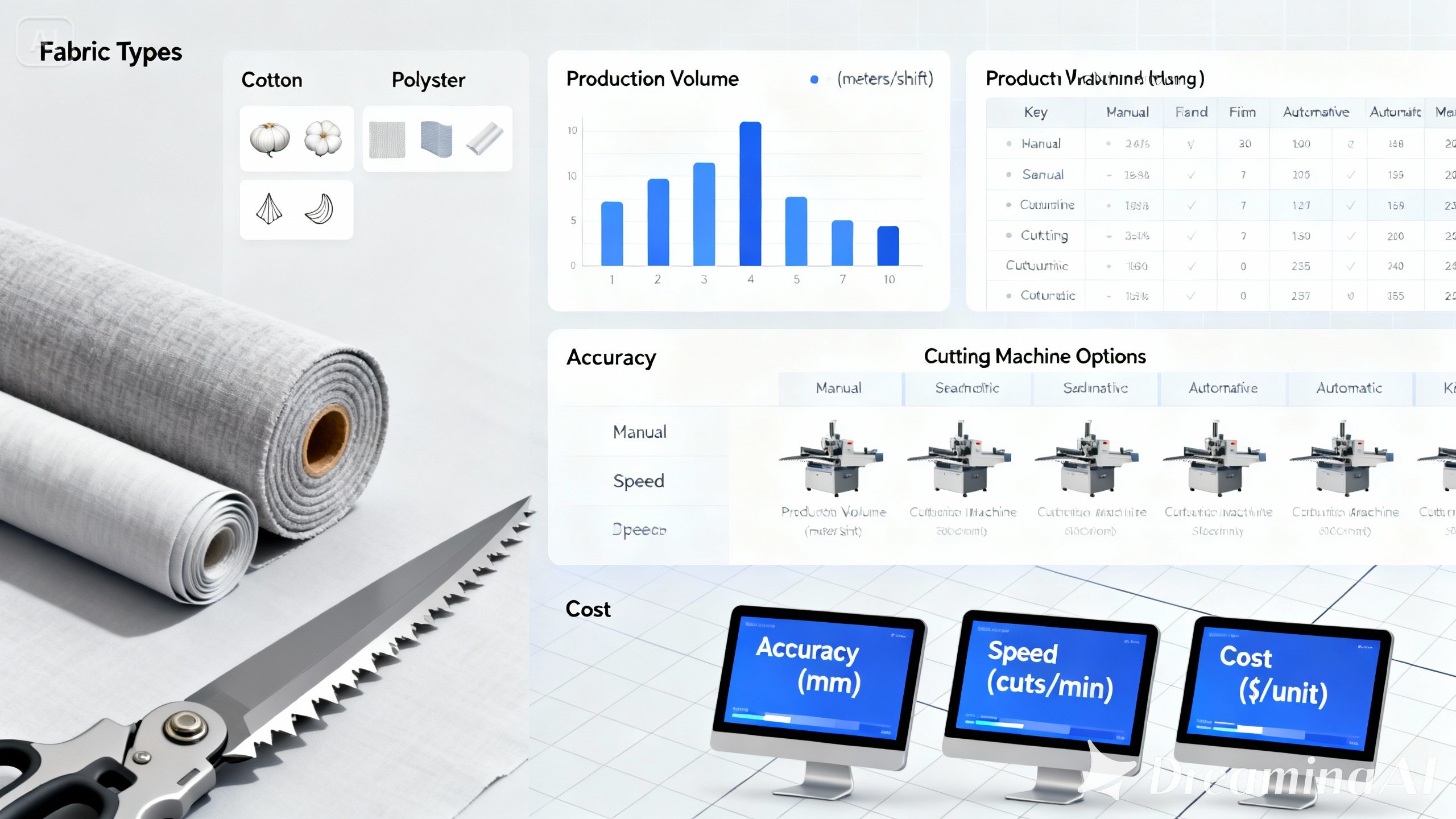
Smart technology integrates into fabric spreaders to enable real-time monitoring and control. Touch-screen panels and data-driven dashboards track spreading performance. These innovations reduce machine downtime and improve production decisions. Additionally, supervisors use remote monitoring features to oversee operations without being physically present.
“The Industry Demands Versatility in Modern Spreading Machines”
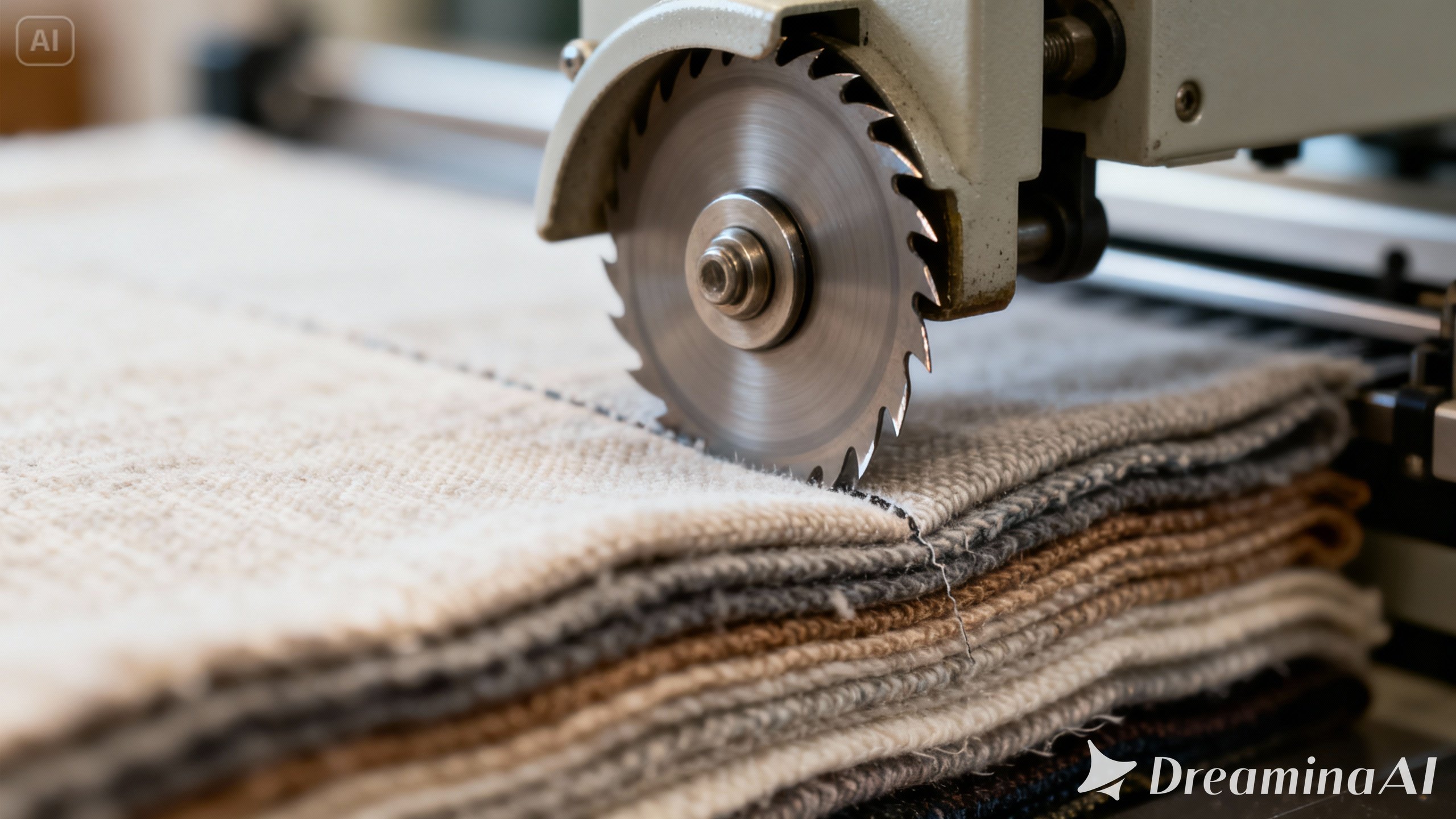
The industry expects versatility from every modern spreader due to the wide variety of fabric types. Manufacturers design machines to handle lightweight silks, heavy denims, stretch fabrics, and technical textiles. They guarantee adaptability so that one machine can serve multiple purposes. As a result, investment value and machine utility reach their maximum potential.
“Users Value Simplified Maintenance Through User-Friendly Designs”
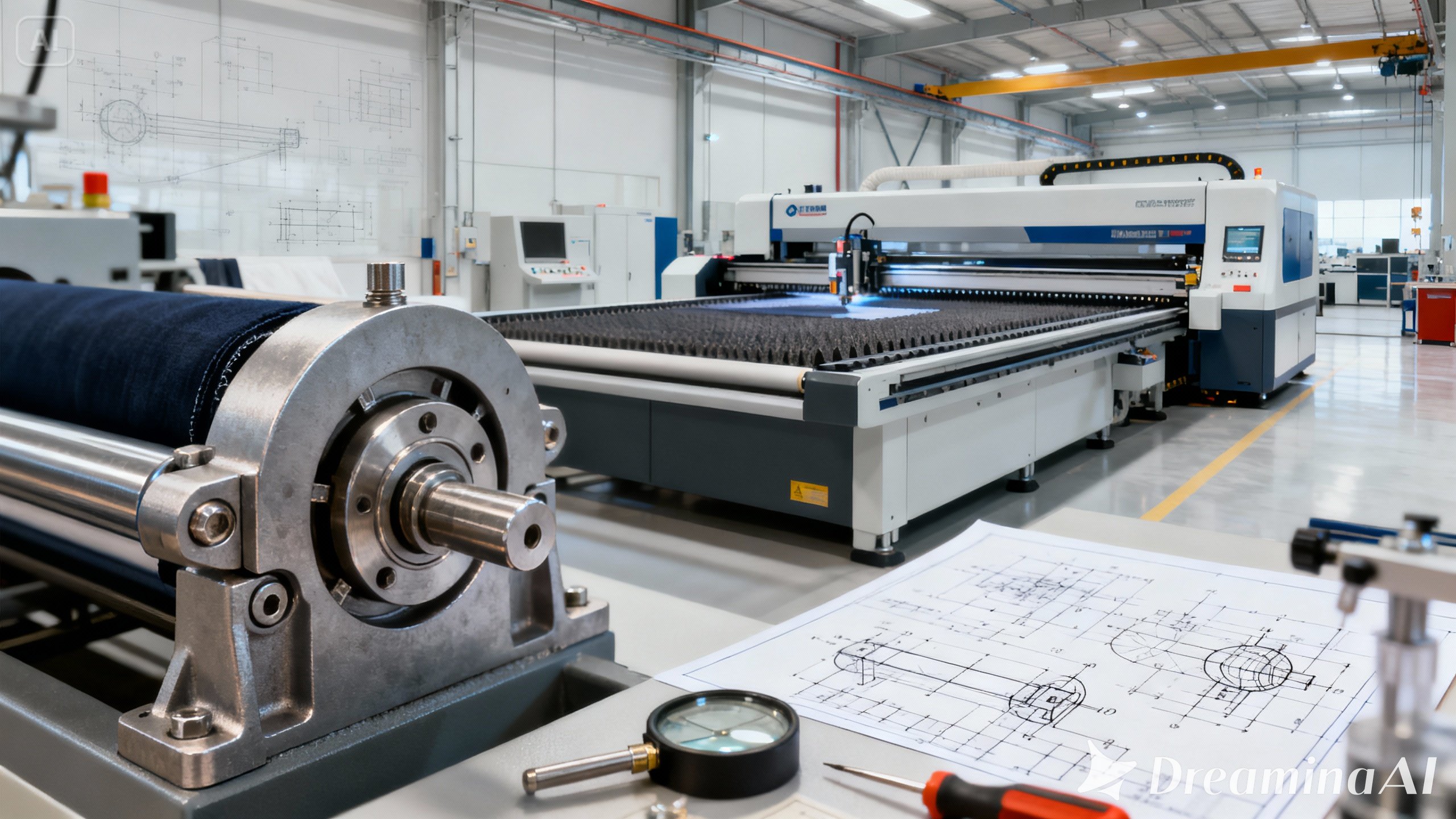
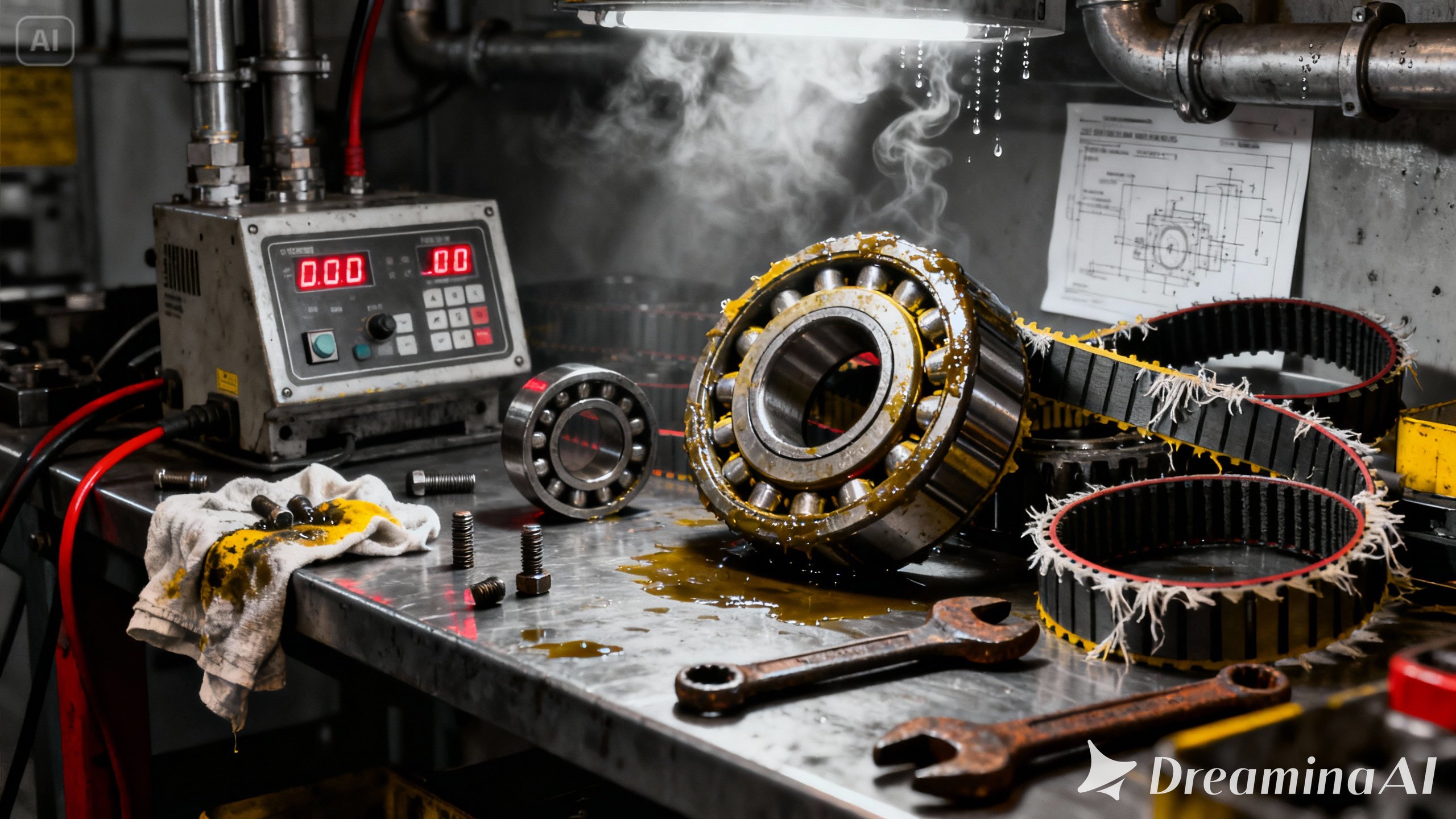
Users value maintenance-friendly designs that simplify upkeep. Engineers design machines with easily accessible parts, user-friendly diagnostic systems, and minimal lubrication needs. These features reduce downtime and extend the overall lifespan of the machine. Additionally, manufacturers incorporate predictive maintenance alerts to prevent sudden breakdowns.
FINAL :A Future-Ready Investment Secured”
It is clear that modern fabric spreaders are transforming into highly intelligent, efficient, and safe machines. Manufacturers incorporate automation, sustainability, safety features, digital monitoring, versatility, and easy maintenance to empower the textile industry to achieve higher productivity. Therefore, investing in a modern spreader with these features is not only necessary but also a strategic decision for long-term success.