Meta Description:
Discover how efficient cutting room layouts enhance productivity in garment factories. Learn the best floor plan designs to minimize material movement, improve ergonomics, and streamline workflow.
Introduction
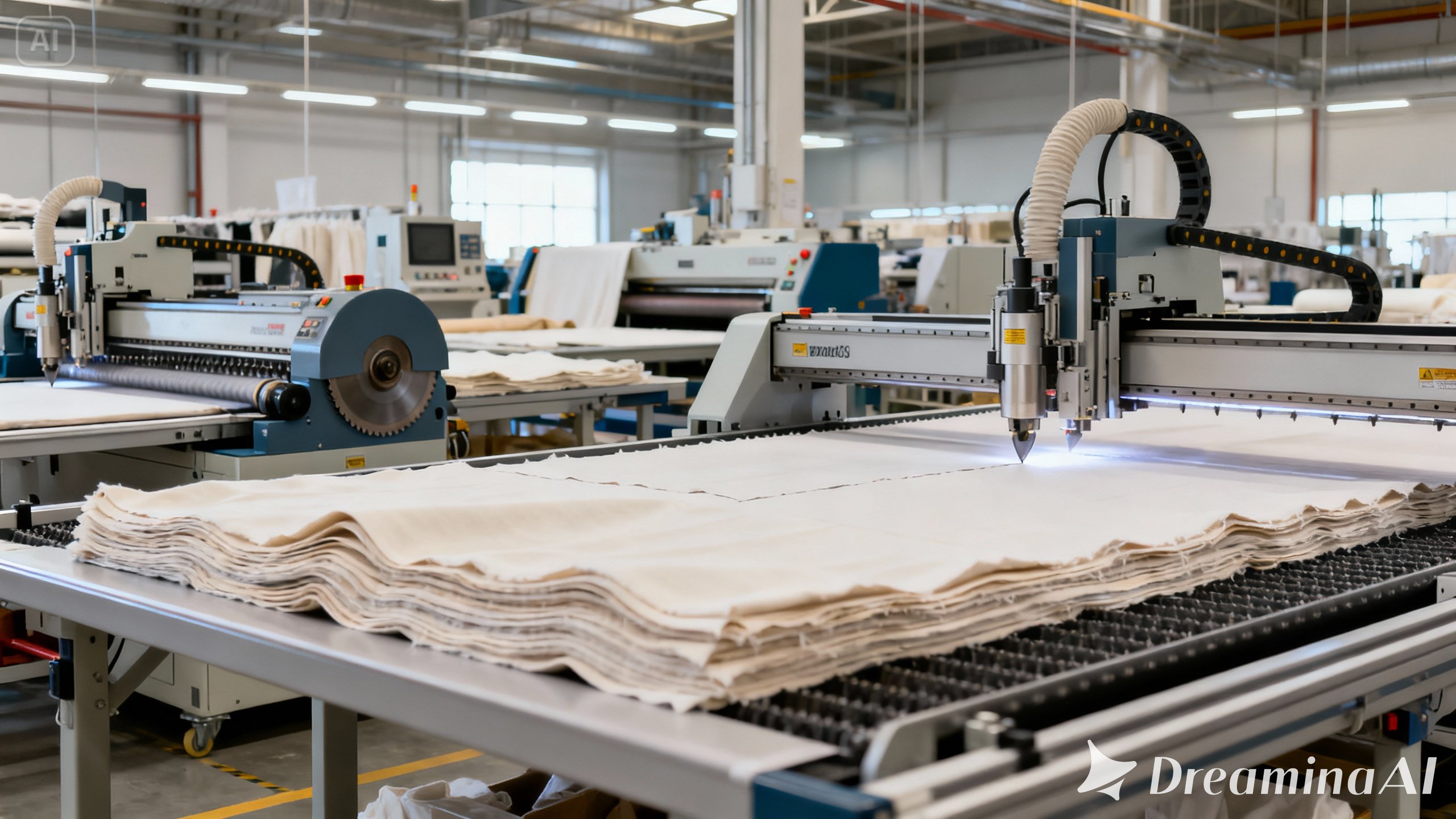
In the modern textile industry, cutting rooms serve as the foundation of production efficiency. When layouts are designed strategically, fabric movement is reduced, worker comfort is improved, and productivity is significantly enhanced. Therefore, optimizing cutting room workflow has become an essential part of achieving cost-effective and high-quality garment manufacturing.
The Importance of Cutting Room Layout Optimization
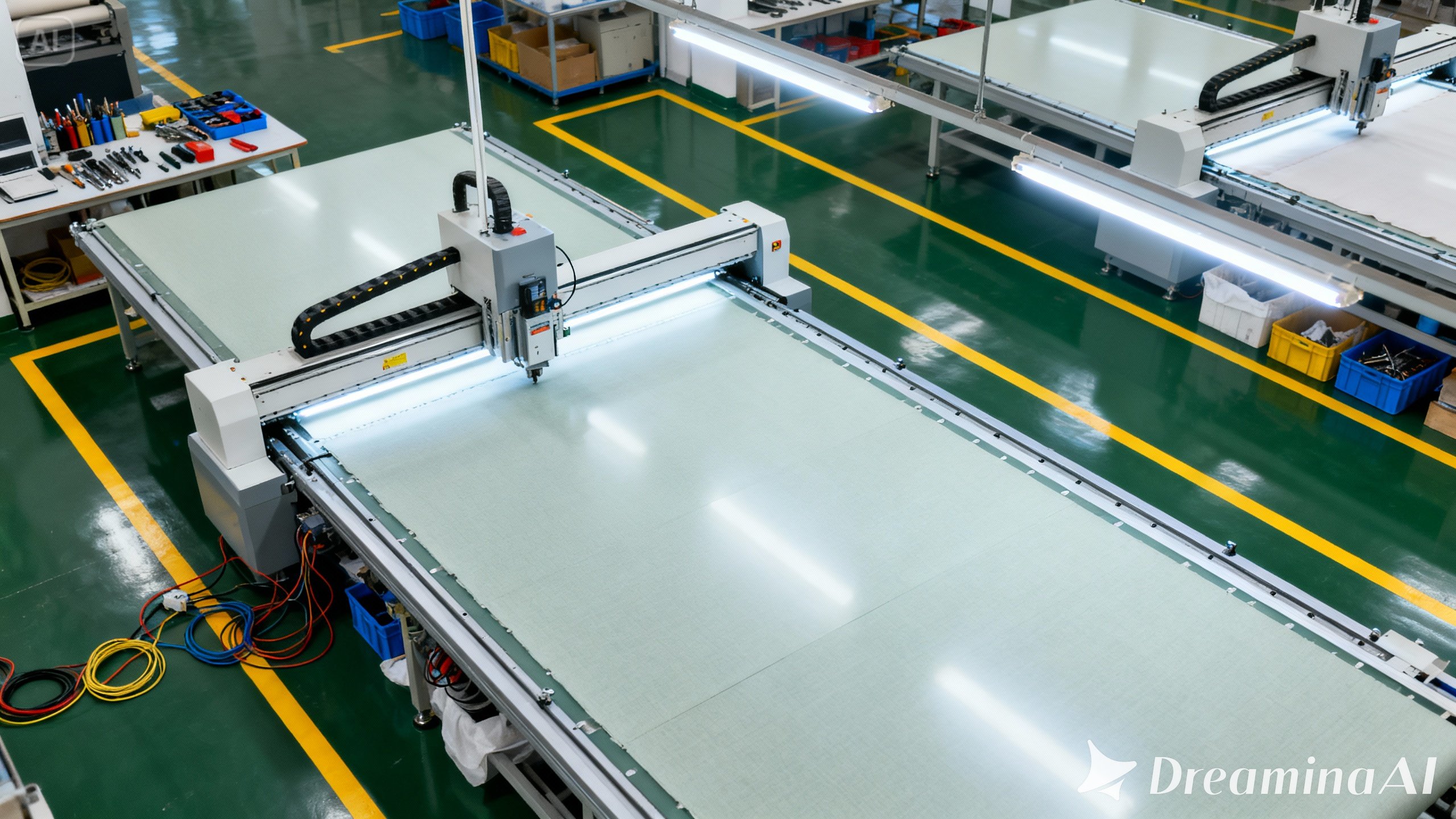
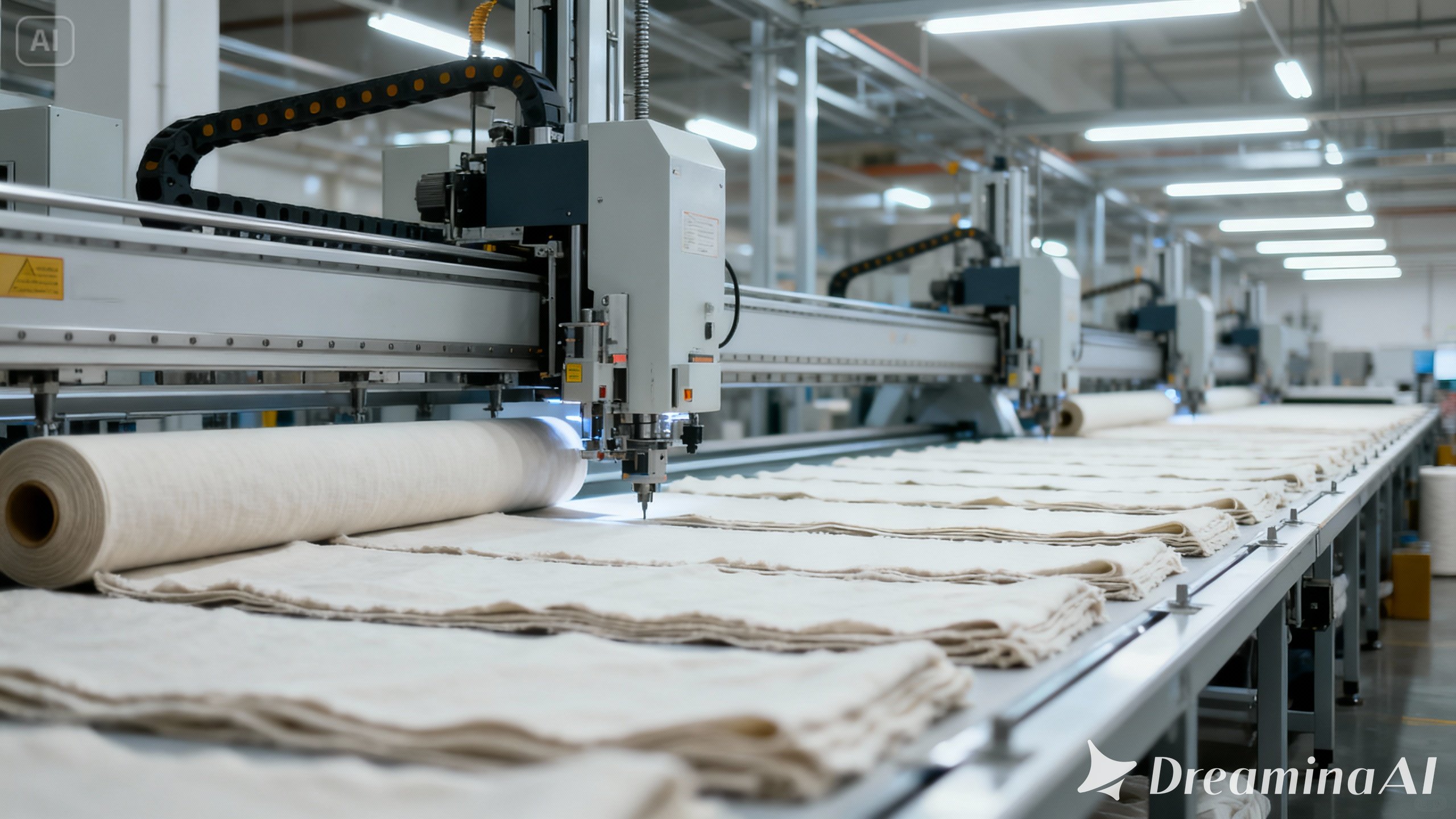
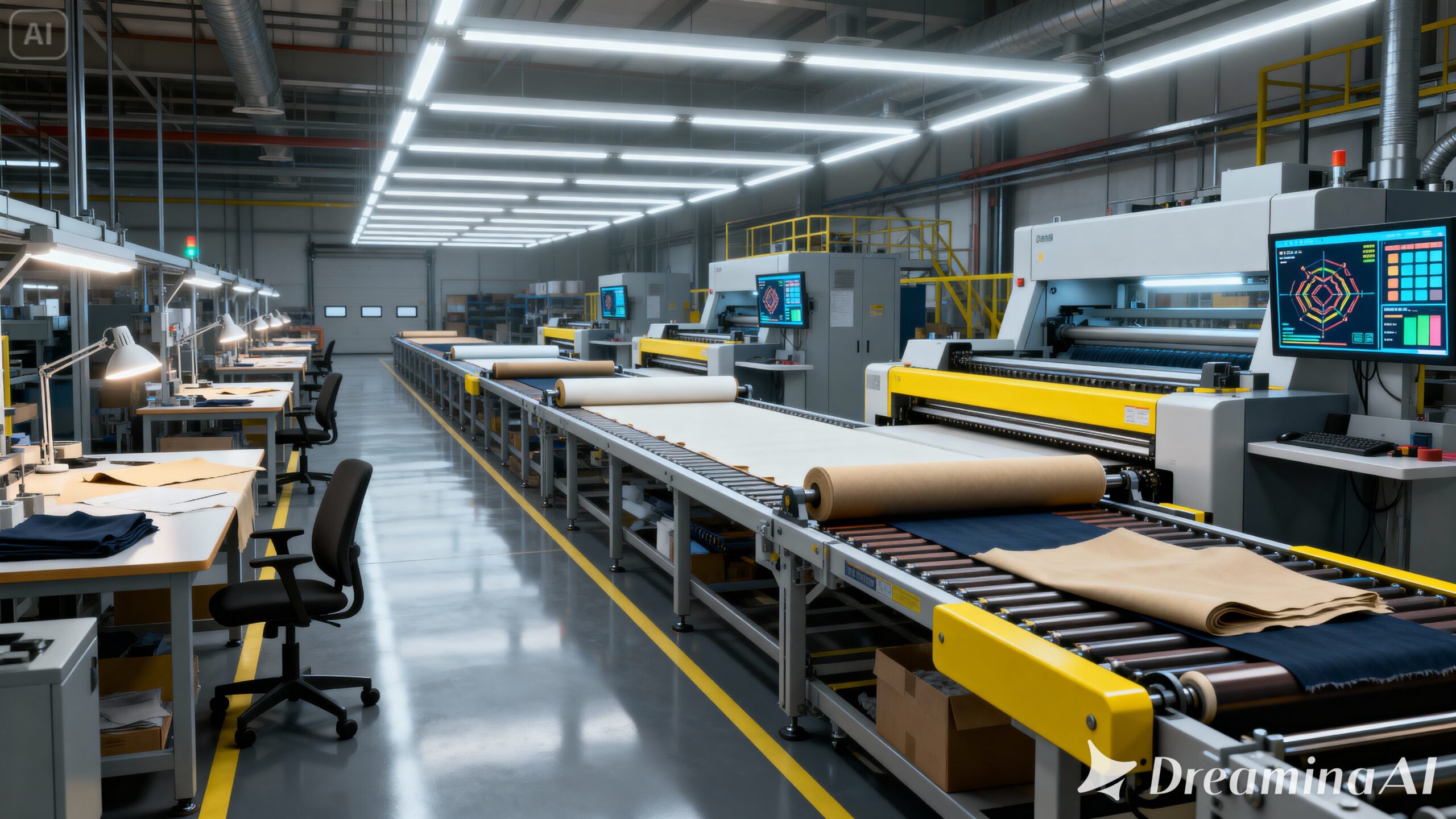
A well-organized cutting room layout ensures that fabric flows smoothly through every stage—from spreading to cutting and bundling. Proper planning minimizes unnecessary handling and material movement. As a result, production time decreases, and the risk of errors lowers.
Moreover, a smooth workflow enhances coordination among workers, enabling each worker to complete tasks efficiently without congestion or confusion. As a result, the entire manufacturing line benefits from greater consistency and improved space utilization.
Best Floor Plan Designs for Cutting Rooms
Several design principles are commonly applied to achieve efficient cutting room operations:
Linear Workflow Design
In a linear layout, workers move fabric in a straight path from the spreading area to the cutting and bundling sections. This setup eliminates delays caused by backtracking or cross-traffic.
U-Shaped Layout Design
This design promotes close interaction between teams and minimizes walking distances. It is especially suitable for small- to medium-scale factories that aim to save space while maintaining productivity.
Modular Layout Design
Modular layouts divide the cutting room into functional zones—such as fabric inspection, spreading, cutting, and bundling. This arrangement allows workers to easily scale or rearrange workflow according to production demand.
Minimizing Material Movement
Excessive material handling not only wastes time but can also cause fabric damage. To minimize movement:
Store fabric rolls close to the spreading tables.
Install automatic conveyor systems to transfer fabric efficiently.
Mark clearly defined pathways for both workers and material movement.
Implement these strategies to reduce material handling, increase throughput, and lower operational fatigue
Ergonomics and Worker Comfort
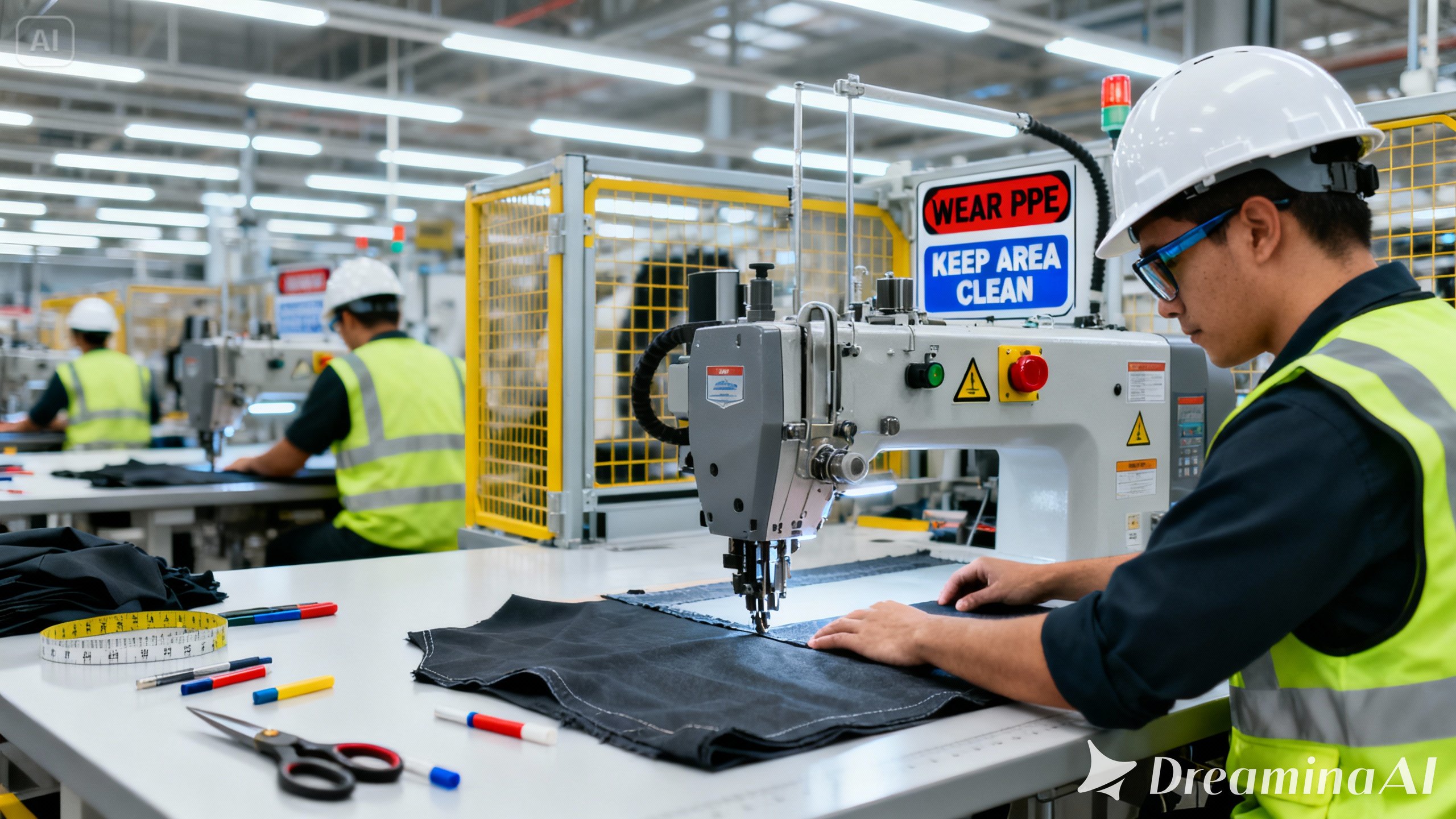
Ergonomics plays a vital role in optimizing productivity. Adjust the workstation height, lighting, and spacing to ensure worker comfort, which reduces fatigue and errors.
For example, install height-adjustable tables and anti-fatigue mats in cutting areas. Moreover, ensure proper ventilation and lighting to create a healthier work environment, which improves concentration and efficiency.
In essence, ergonomic design not only enhances worker safety but also ensures consistent performance during long shifts.
Technology Integration for Workflow Efficiency
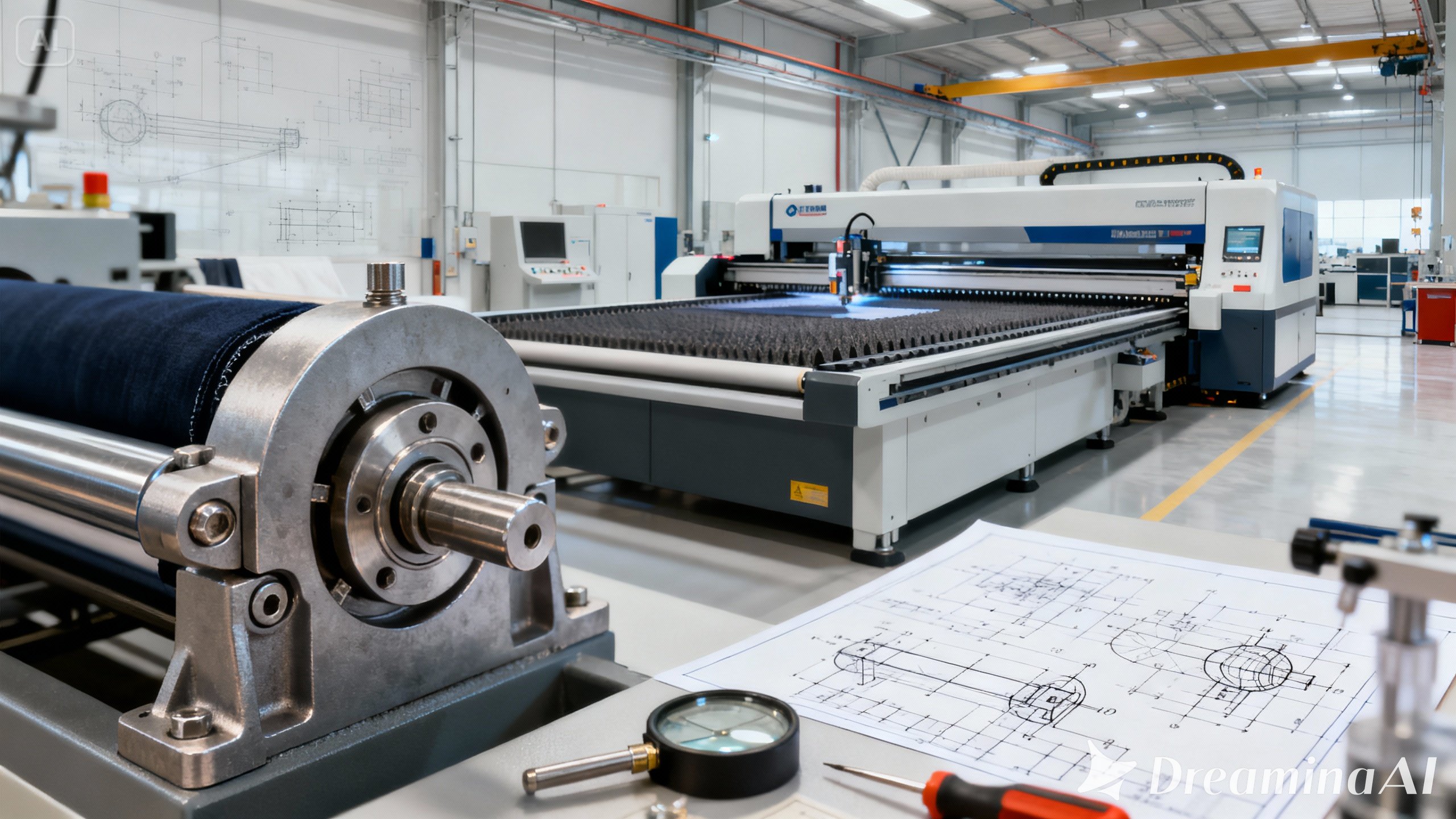
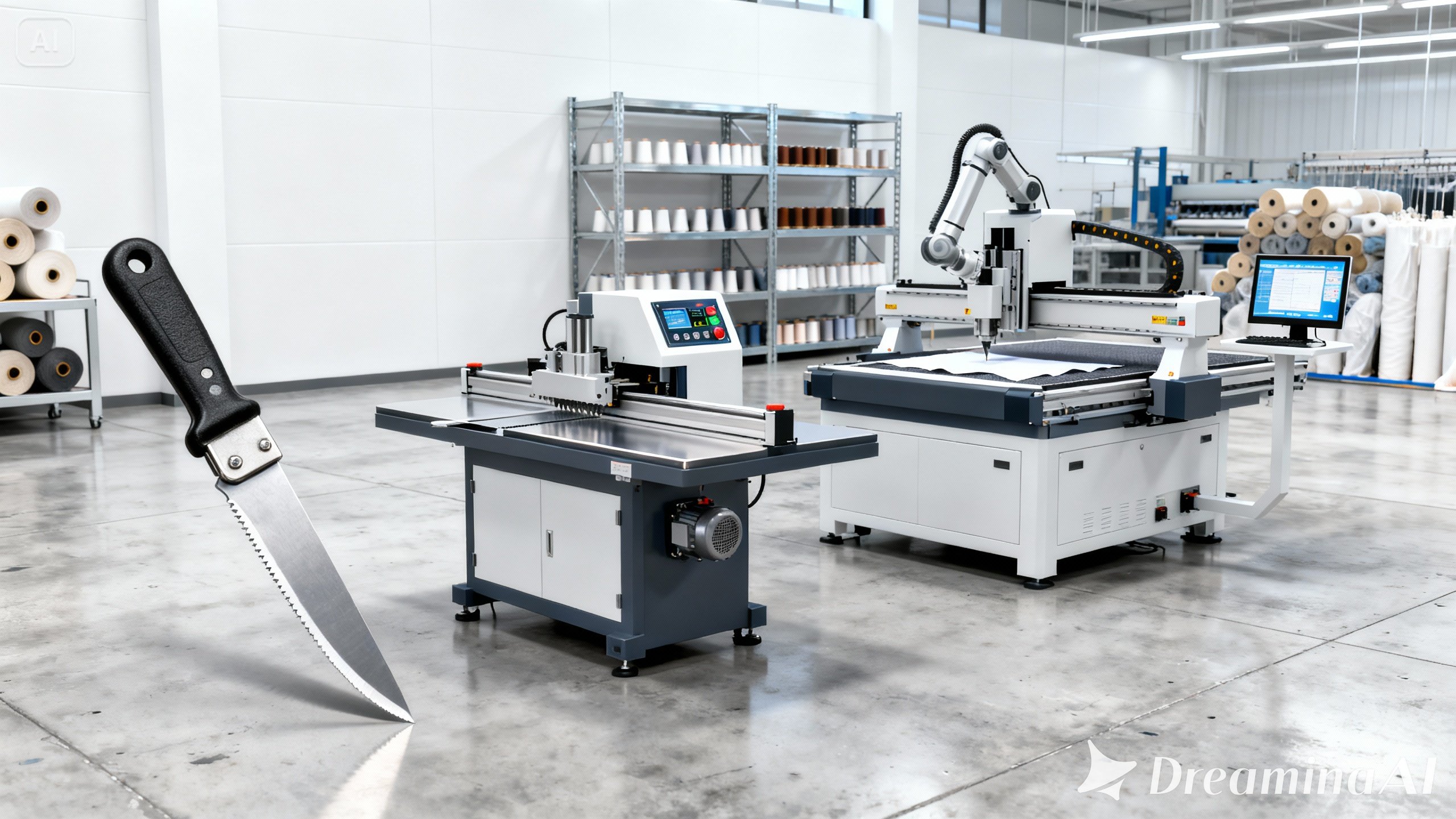
Modern cutting rooms increasingly rely on automation and digital monitoring. CAD/CAM systems can be integrated to automate fabric placement and cutting. Additionally, digital dashboards allow supervisors to monitor workflow in real-time, identify bottlenecks, and optimize performance instantly.
When technology is combined with a smart layout, factories achieve higher accuracy, lower material wastage, and faster turnaround times.
Conclusion
An optimized cutting room layout is more than a matter of design—it is a strategic decision that impacts every aspect of textile production. By minimizing material movement, improving ergonomics, and adopting digital systems, manufacturers can achieve smoother workflows, higher productivity, and consistent quality.
In today’s competitive garment industry, efficiency begins with how space is designed—and every meter counts.