Meta Description
Discover how precision fabric cutting reduces waste, boosts production speed, improves quality, and cuts manufacturing costs in garment factories.
Introduction
In garment manufacturing, precision isn’t just about sharp blades — it’s about control, consistency, and cost. The accuracy of fabric cutting directly influences the final product’s quality, speed of production, and overall efficiency. When precision is ignored, waste increases, quality drops, and costs quietly climb.
Let’s explore how cutting accuracy impacts waste, production speed, quality, and cost — and explain why every factory should prioritize it.
1) Precision Reduces Fabric Waste
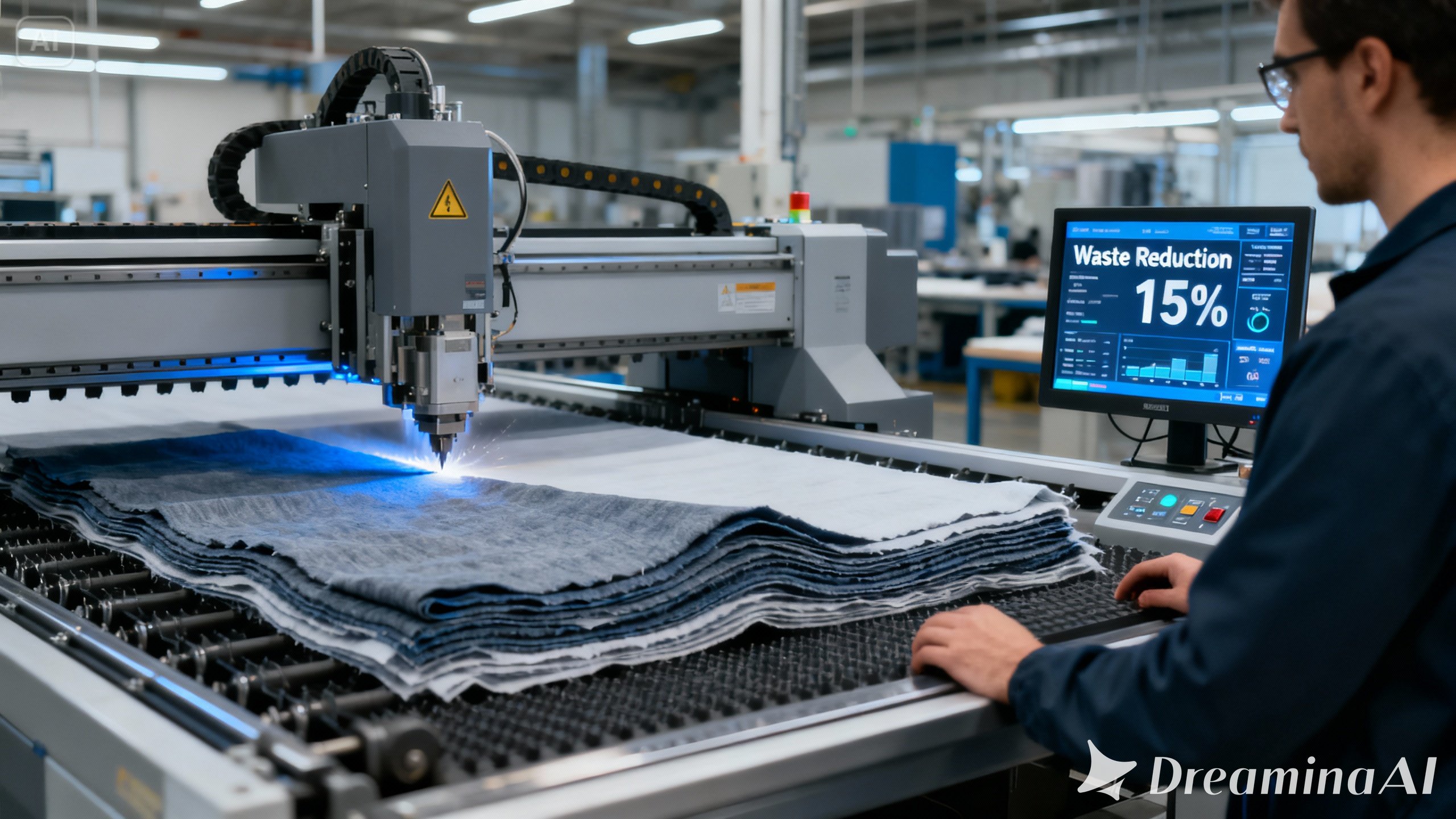
Even a few millimeters of inaccuracy during cutting can cause material loss across hundreds of layers. However, when workers align patterns correctly and calibrate blades accurately, they improve fabric utilization dramatically. In other words, precision cutting enables manufacturers to extract more garments from the same roll of fabric. Over time, this small improvement results in significant material savings and reduces textile waste — a win for both profit and sustainability.
2) Accuracy Improves Production Speed
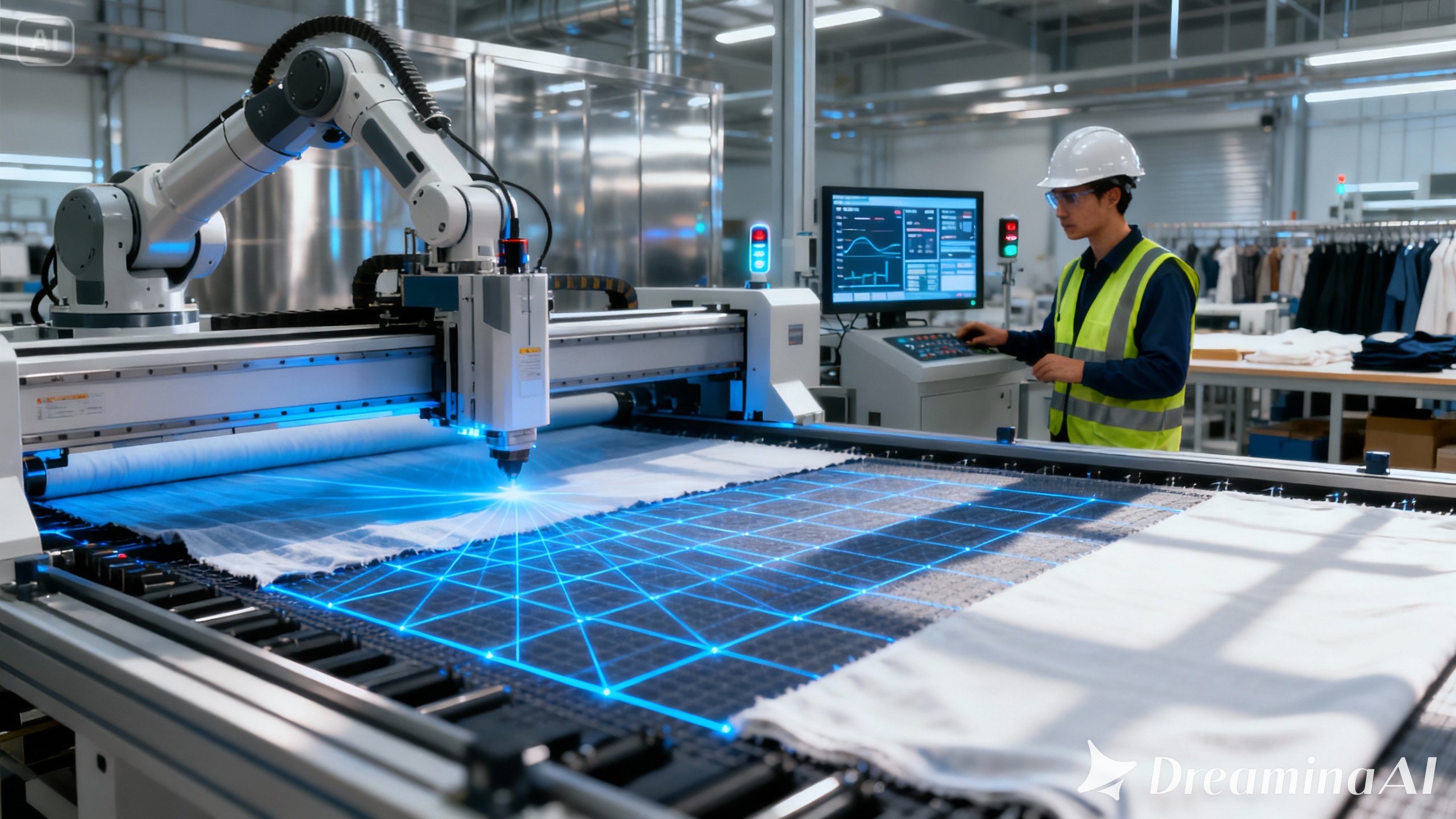
Although it might seem that precise cutting takes more time, it actually speeds up the overall process. Why? Because accurate cutting reduces rework, misalignment, and adjustments during sewing.
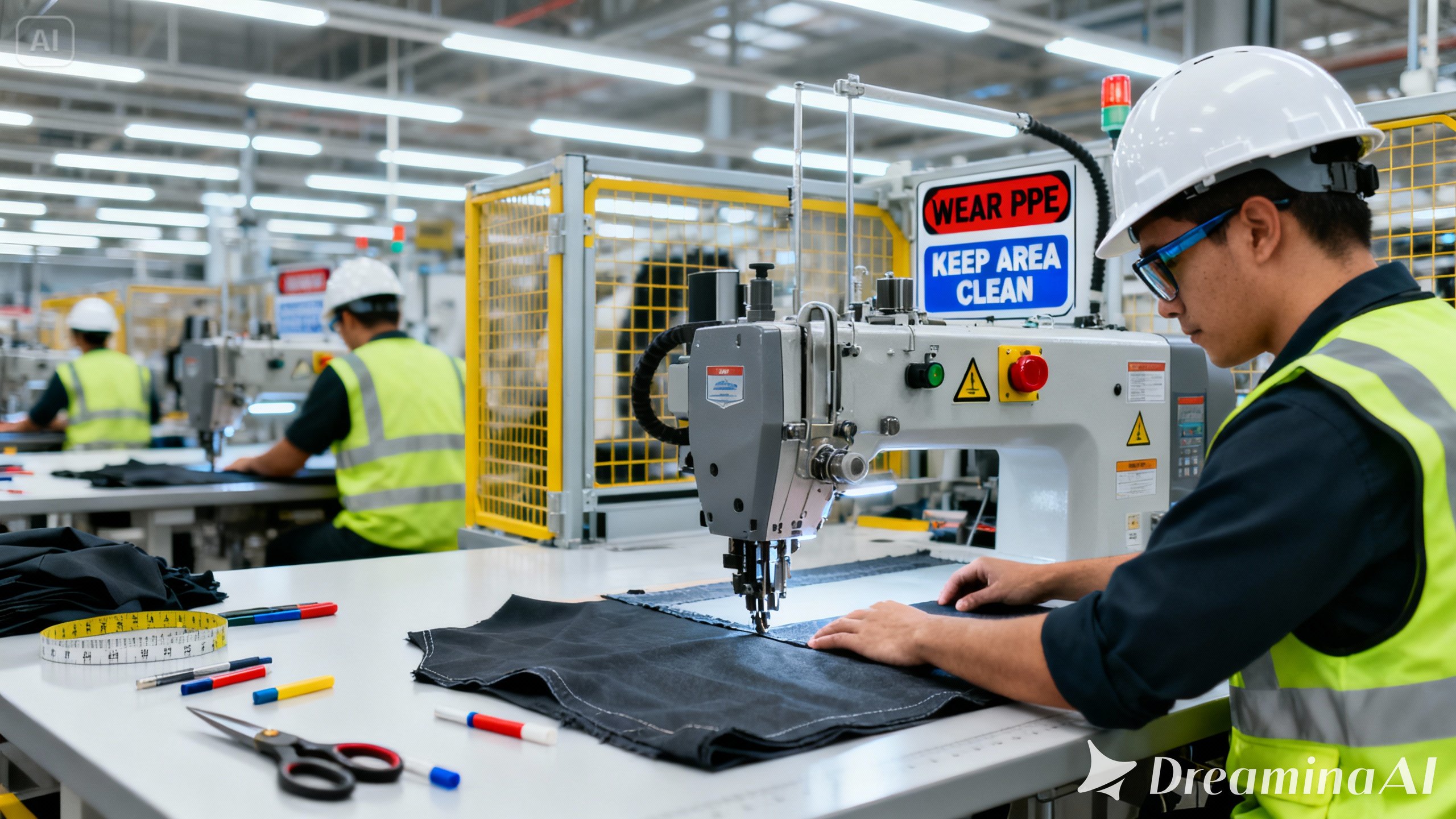
When every piece fits perfectly, sewing lines run smoothly and operators don’t waste time correcting mismatched edges. Therefore, precision cutting doesn’t just make production faster — it also makes it flow better.
3) Better Cutting = Higher Quality Garments
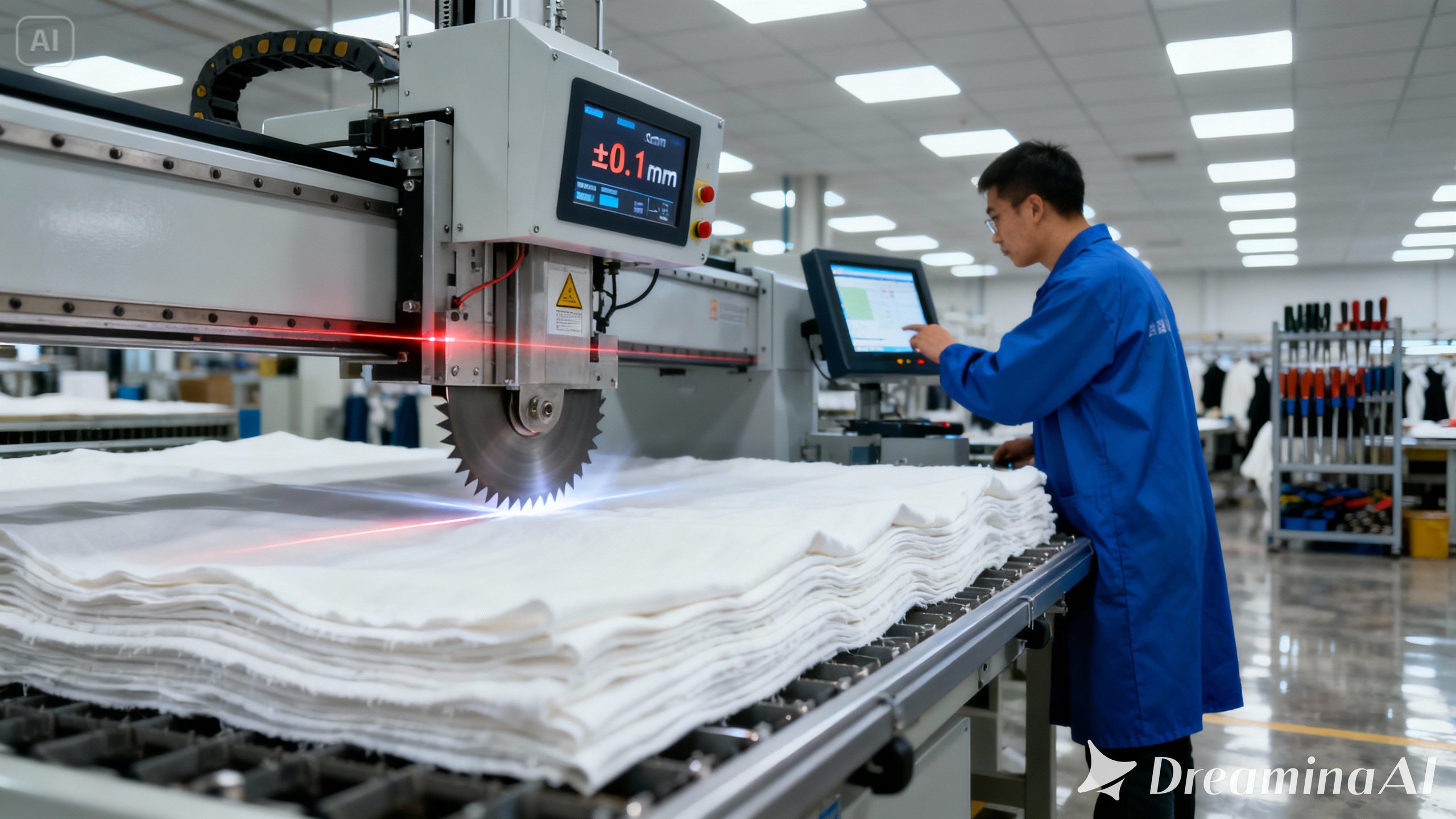
Quality starts long before the sewing machine. When fabric pieces are cut precisely, each garment maintains consistent shape and size. This accuracy ensures clean stitching lines, perfect fits, and professional finishes.
As a result, brands experience fewer defects, fewer rejects, and higher customer satisfaction. Ultimately, precision cutting builds a foundation of quality that strengthens your reputation in the market.
4) Precision Lowers Total Production Cost
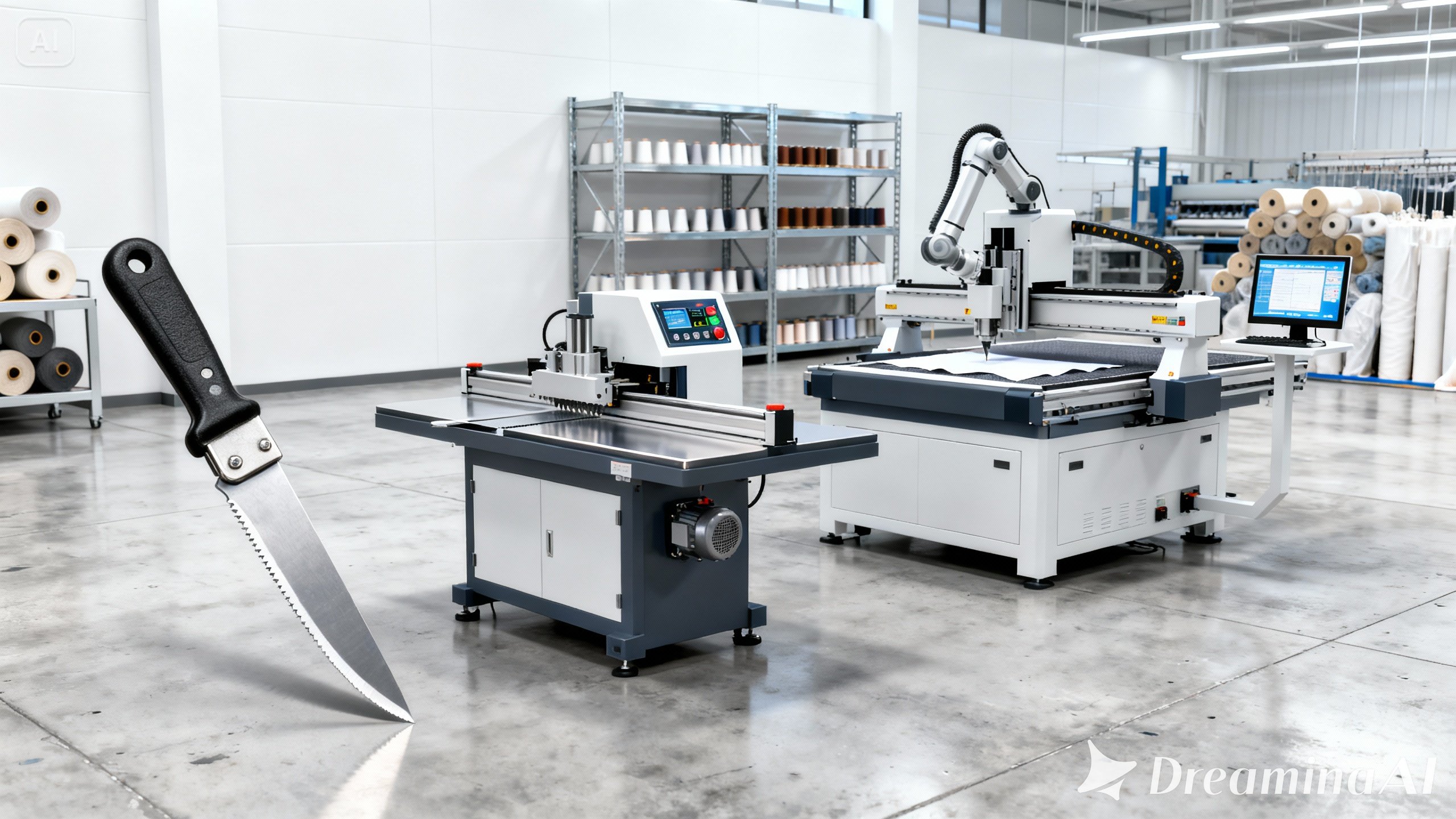
While investing in advanced cutting machines or training might seem costly upfront, the long-term financial benefits are significant. Less fabric waste means direct material savings, and fewer production errors translate into lower labor costs.
Moreover, accurate cutting reduces the need for manual corrections — minimizing downtime and boosting throughput. In short, precision cutting pays for itself by keeping the cost-per-garment low.
Conclusion
Precision fabric cutting is not a luxury — it’s a necessity for modern garment manufacturing. It transforms cutting rooms into efficiency hubs where waste is minimized, quality is guaranteed, and every roll of fabric is fully optimized.
Factories that embrace precision today will lead the industry tomorrow — with cleaner processes, faster production, and higher profit margins.