Meta Description
Learn the top 5 features every textile cutting machine must have — speed, accuracy, blade life, automation, and safety — to upgrade your production line.
Introduction
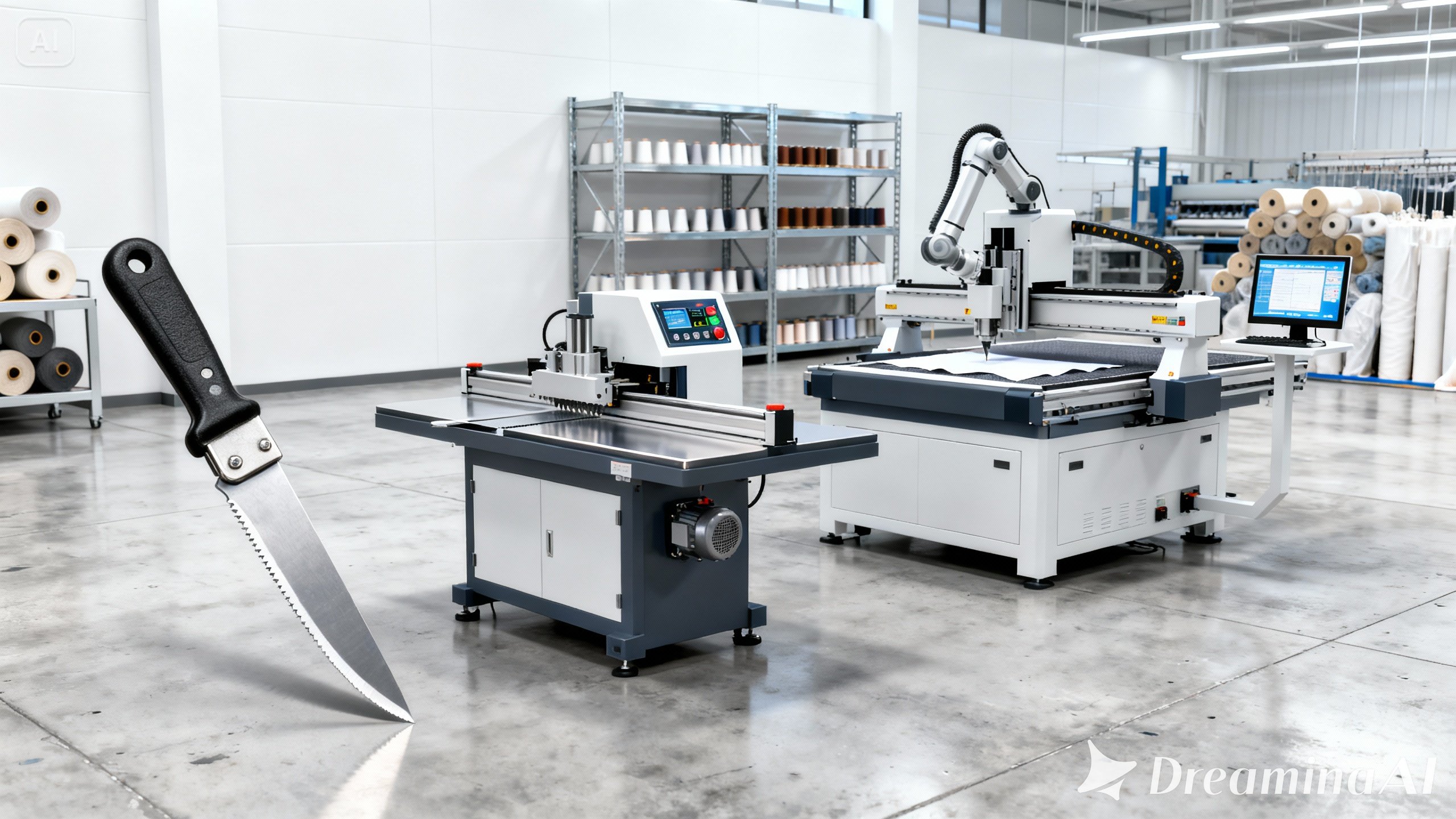
Selecting the right textile cutting machine has become a critical decision for modern garment manufacturers. As production demands continue to rise, machines are now expected to deliver consistent speed, long-term accuracy, and safe operation while keeping operating costs low. Therefore, choosing a machine with the right features can significantly improve overall productivity.
Below are the top five features that should always be considered when investing in a textile cutting machine.
1) High Cutting Speed
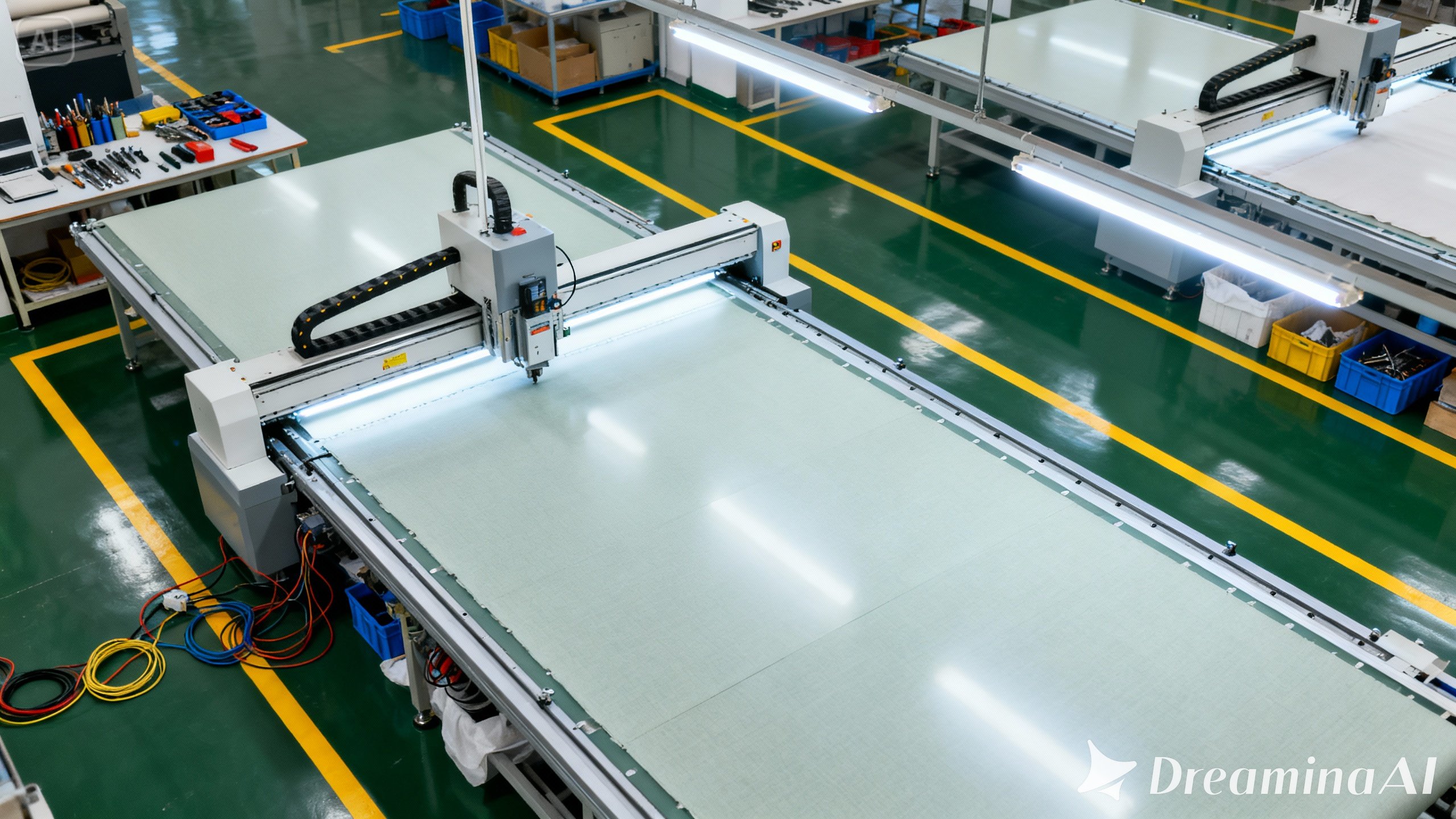
To begin with, prioritize cutting speed. Using faster machines allows you to complete large orders on time, and processing fabric layers quickly and consistently improves production flow. When you pair high speed with stability, you reduce downtime and increase overall output.
Thus, a cutting machine with optimized speed capabilities allows factories to meet strict delivery schedules without compromising quality.
2) Precision and Accuracy
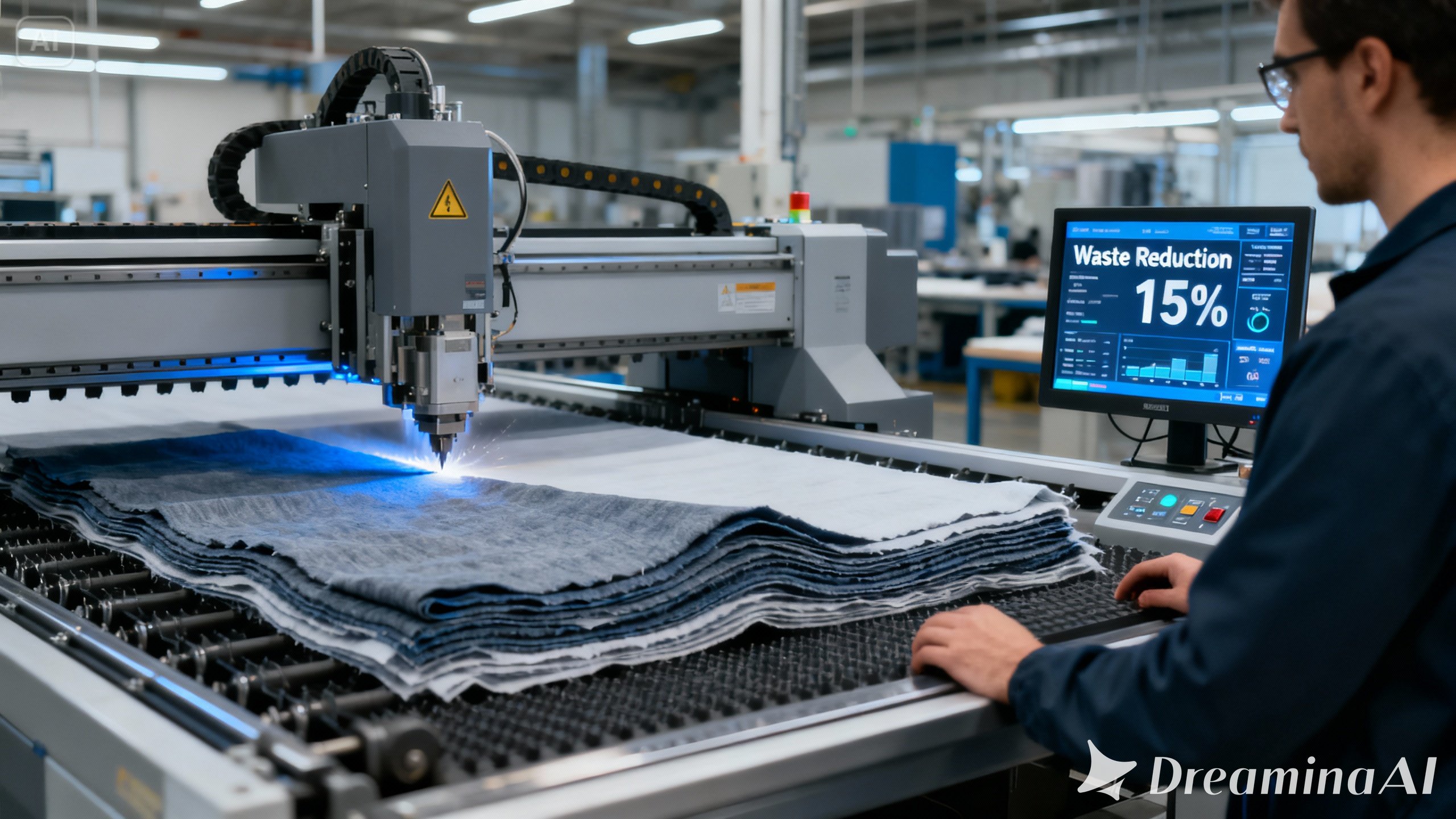
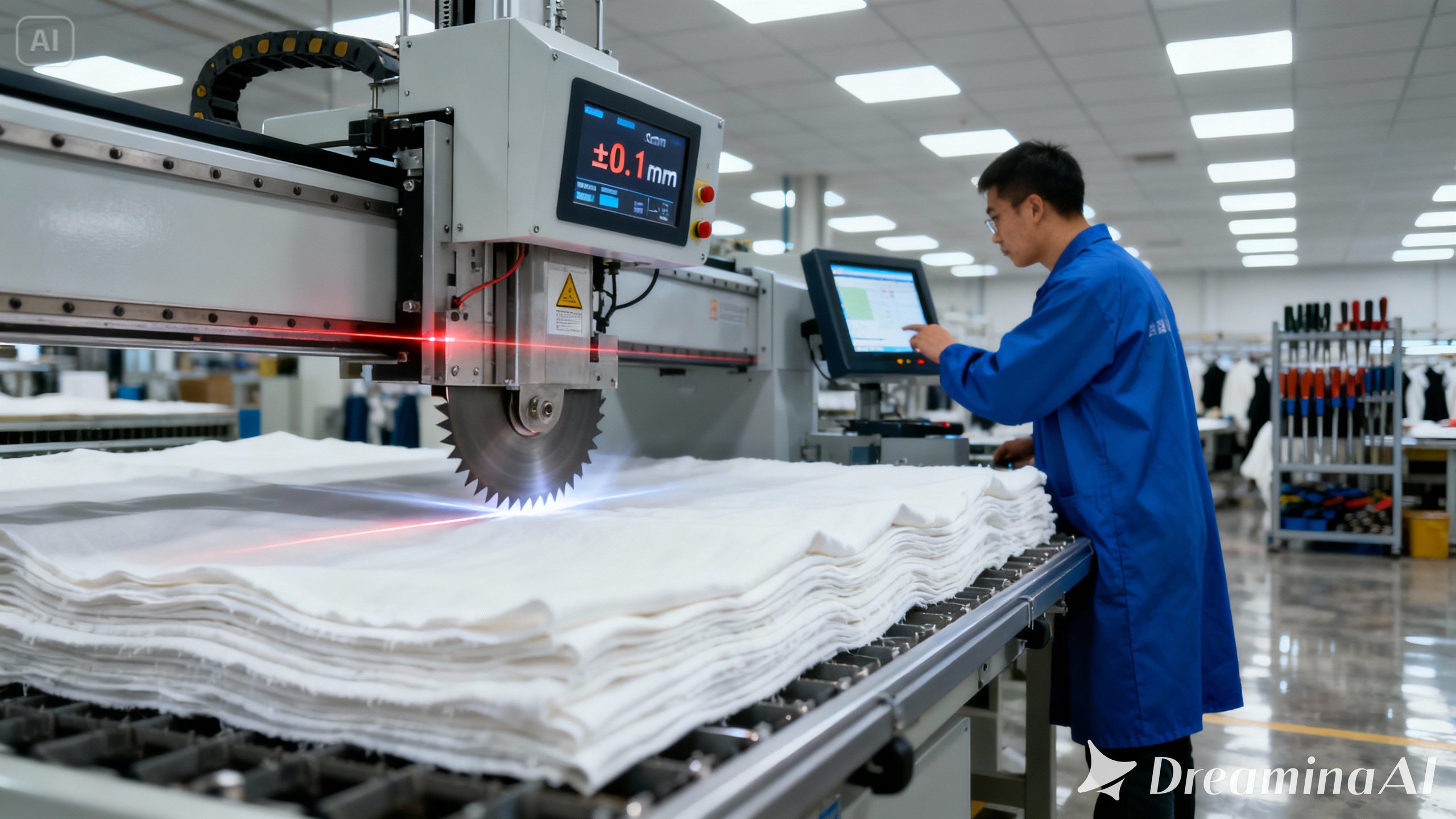
Accuracy is equally essential because every millimeter impacts fit, shape, and material usage. When you maintain precision, you minimize fabric waste and improve garment quality. Modern cutting machines often include advanced digital controls and laser-guided systems to ensure they maintain consistent accuracy over long production runs.
Consequently, fewer errors occur, and the sewing process becomes smoother and faster.
3) Long Blade Life and Easy Maintenance
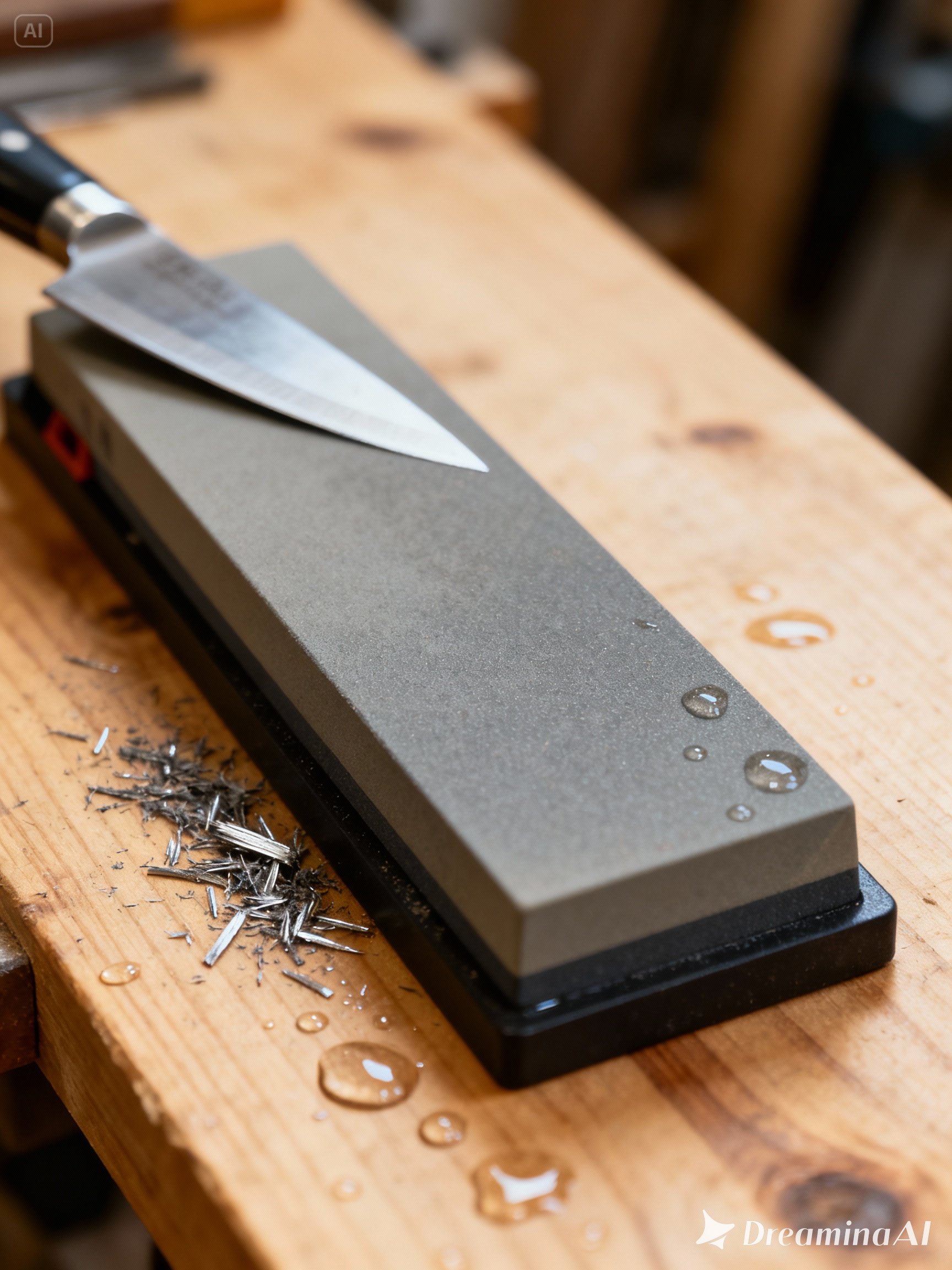
Another feature that should be examined is blade durability. Machines with long-lasting blades maintain clean cuts for extended periods, which reduces replacement costs and avoids interruptions. Additionally, easy maintenance features — such as quick-change blade systems and automated lubrication — help the machine stay in optimal working condition.
Therefore, a strong and long-life blade system ultimately protects product quality and operational efficiency.
4) Advanced Automation Capabilities
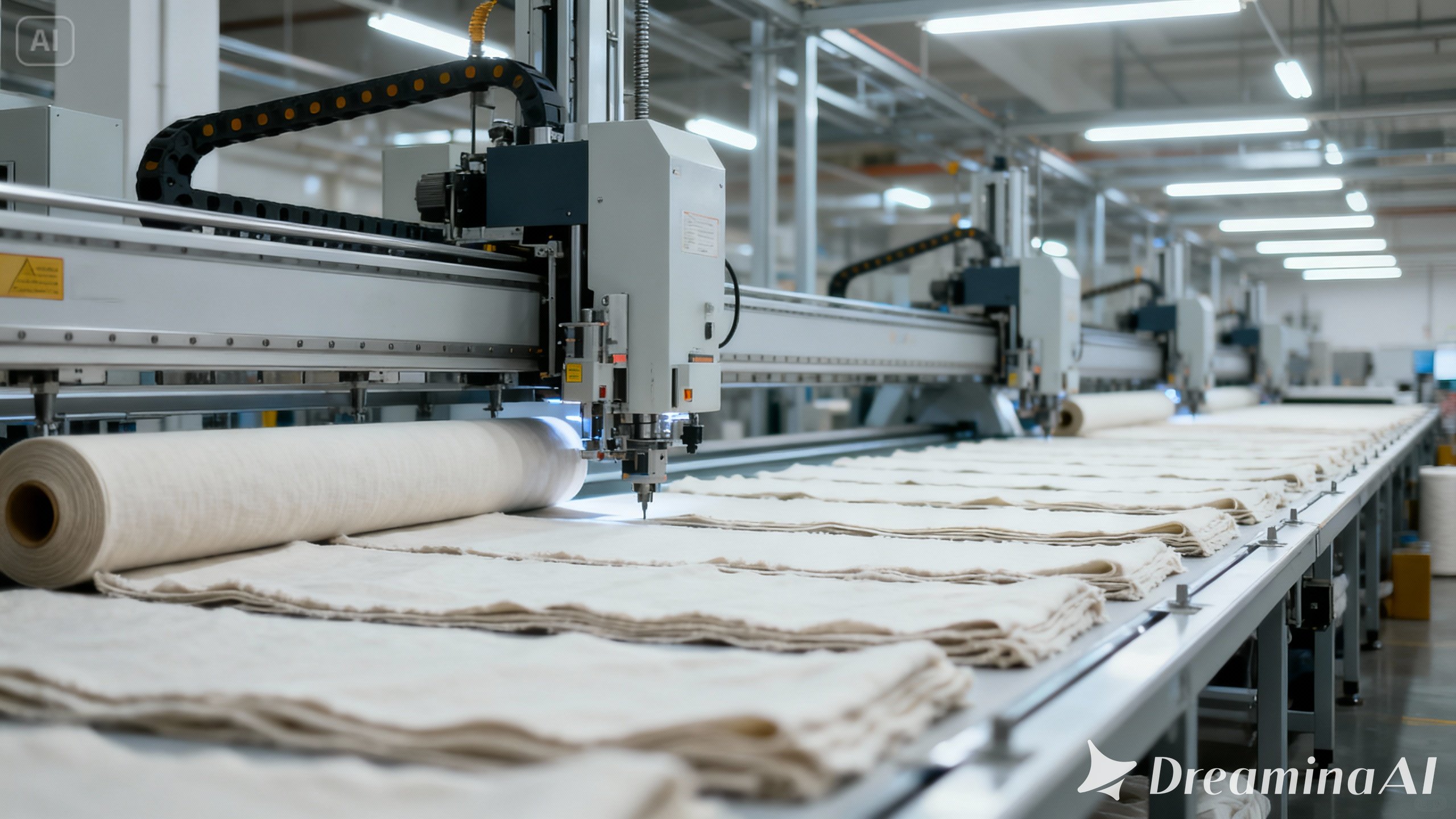
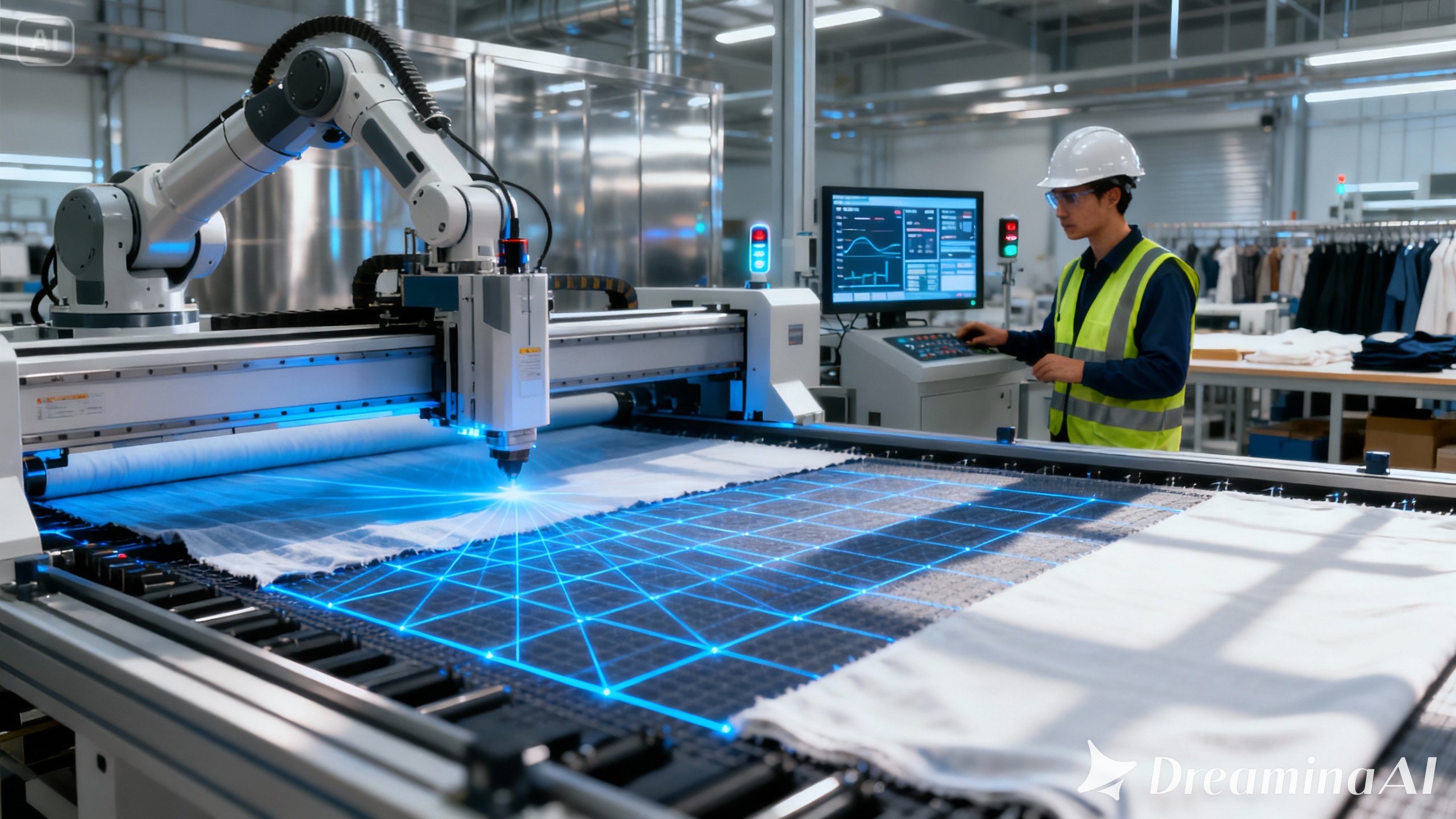
Automation has become a driving force in fabric cutting. Automated spreading, pattern alignment, smart sensors, and digital interfaces enable machines to complete repetitive tasks with greater accuracy. As they automate more steps, they reduce human error and deliver consistent results throughout the day.
In turn, automation helps save time, standardize quality, and lower long-term labor costs.
5) Built-In Safety Features
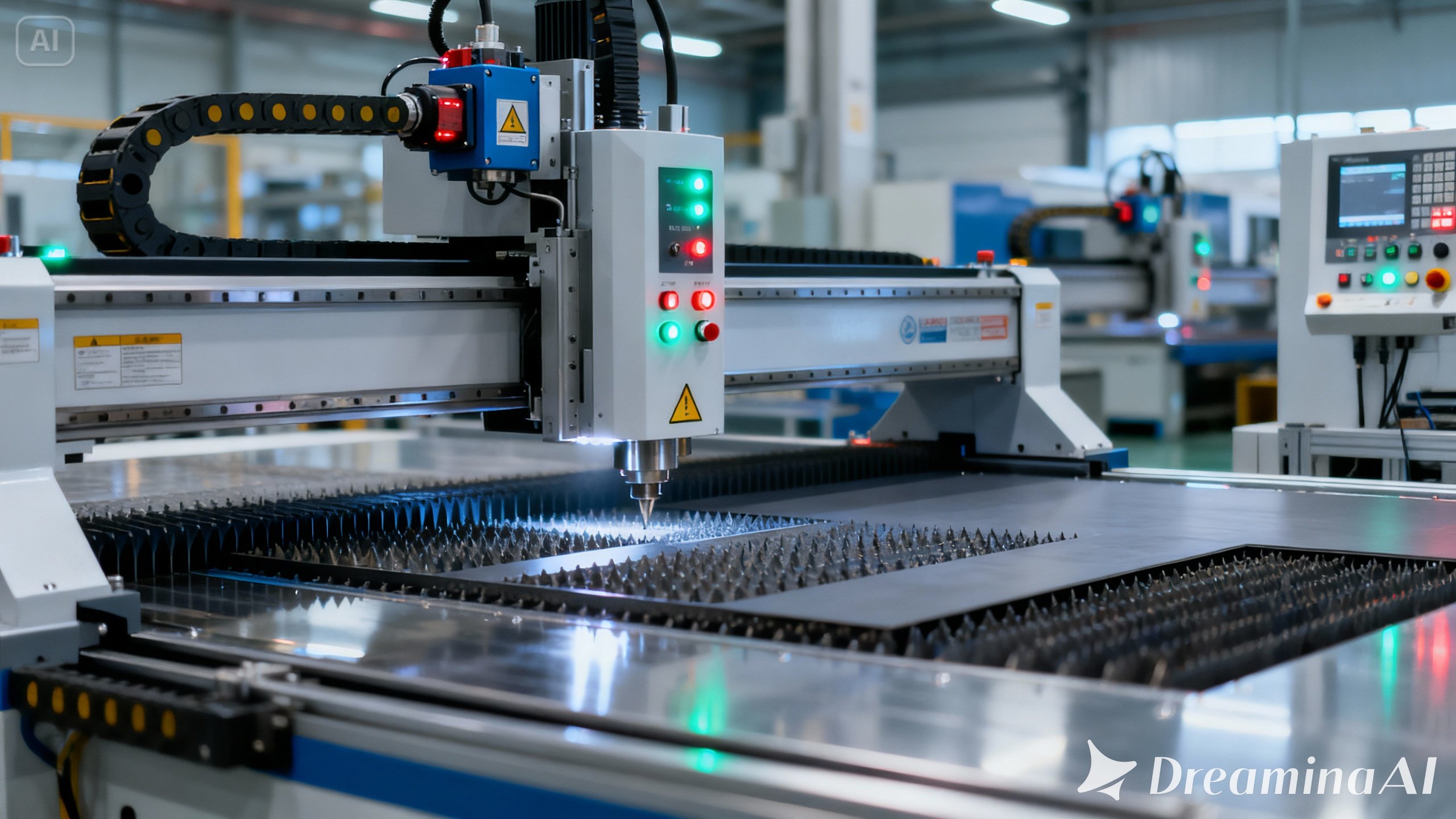
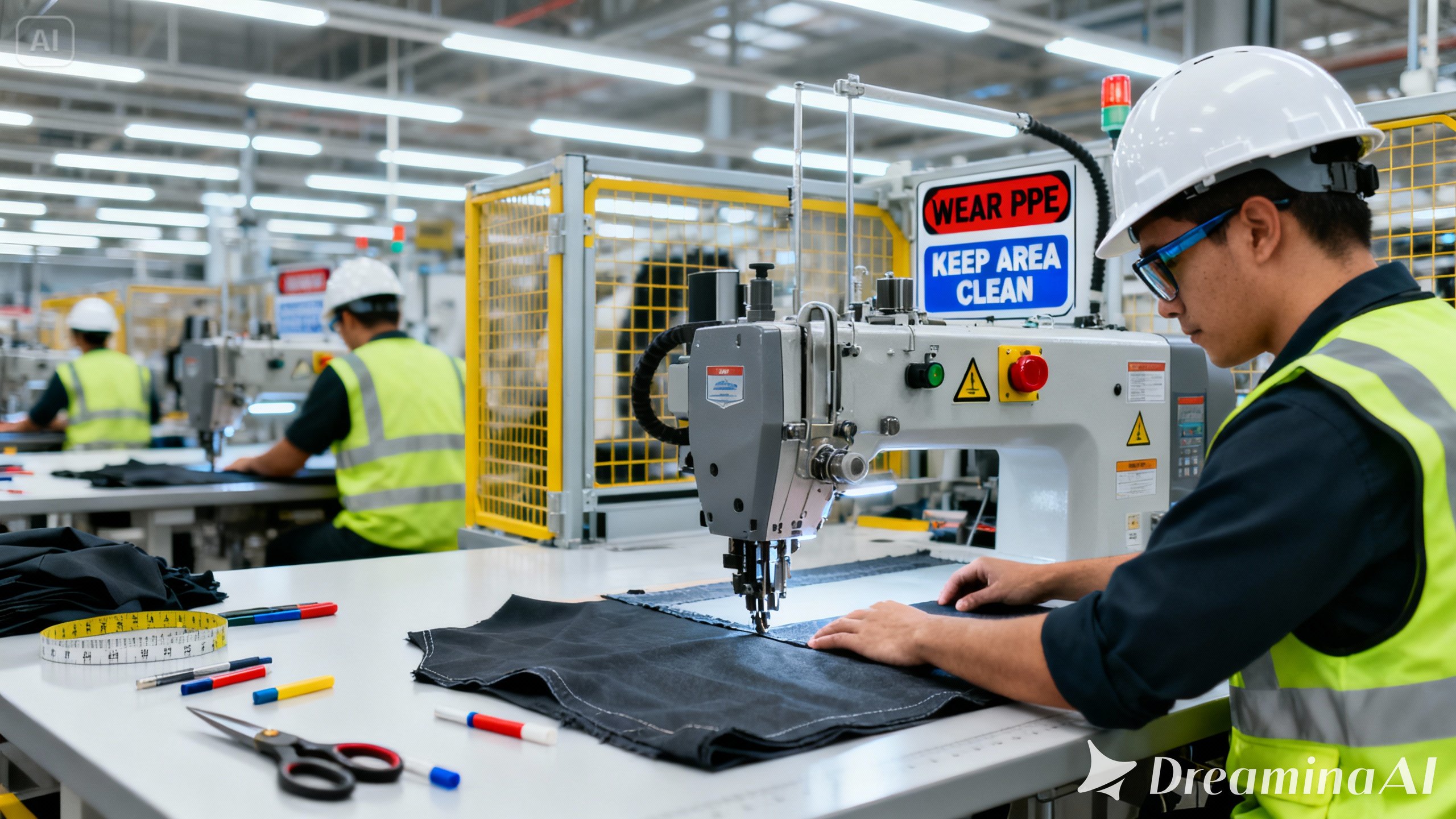
Finally, safety should never be overlooked. Cutting machines equipped with emergency-stop buttons, sensor-based hand protection, blade guards, and auto-shutdown features ensure that operators are always protected. A safer environment reduces accidents and increases confidence among workers.
As a result, productivity rises because the workspace is more controlled and secure.
Conclusion
In summary, the best textile cutting machines design themselves with speed, accuracy, durable blades, automation, and safety at their core. When manufacturers include these features, they enable production lines to operate more smoothly, minimize waste, and consistently improve the overall quality of garments.
By choosing a machine built around these features, factories can move toward faster, smarter, and safer manufacturing.