
Meta Description
Discover how automation is reshaping the textile cutting floor. Learn emerging trends and how advanced cutting machines improve speed, accuracy, and efficiency.
Introduction
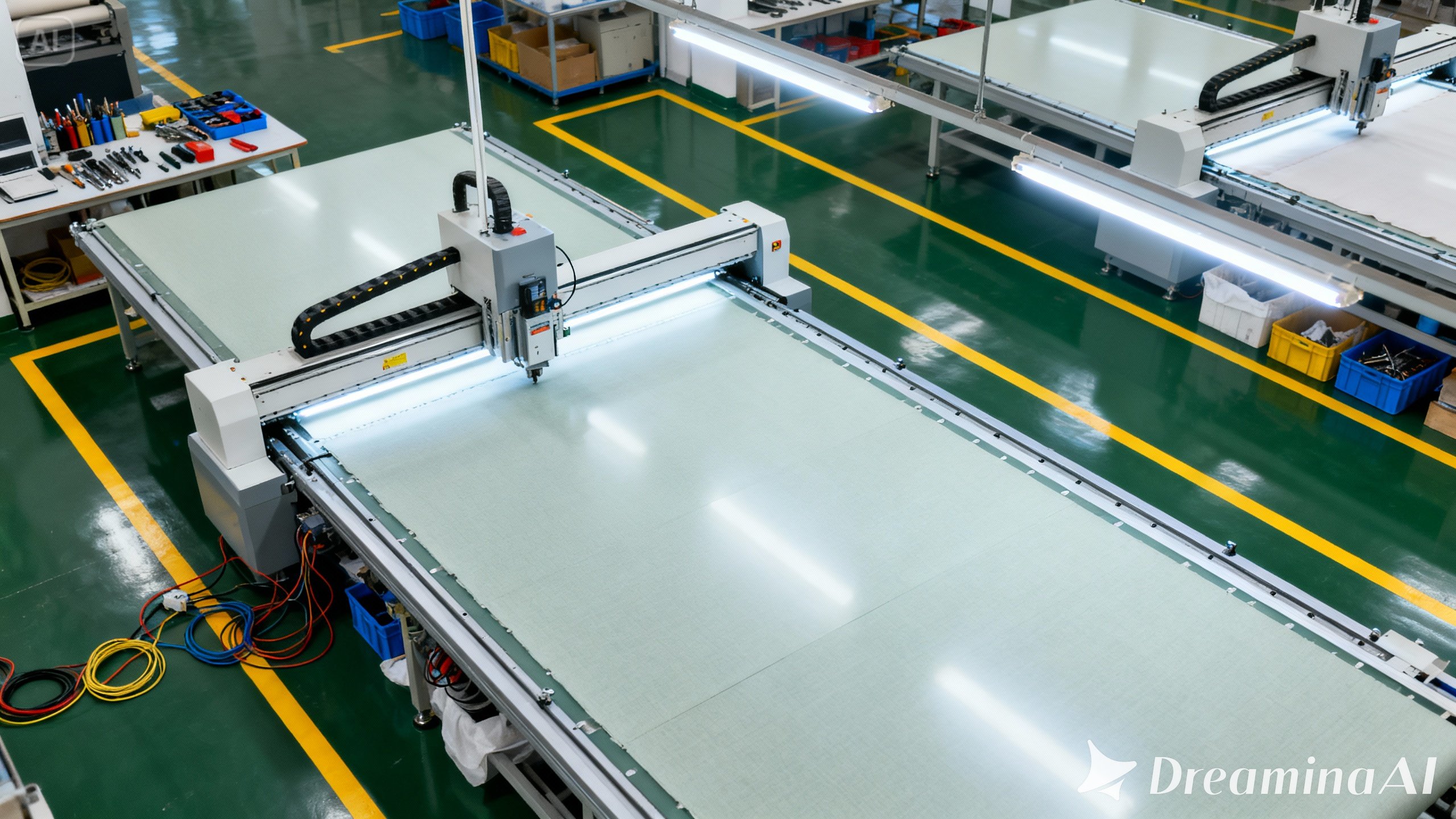
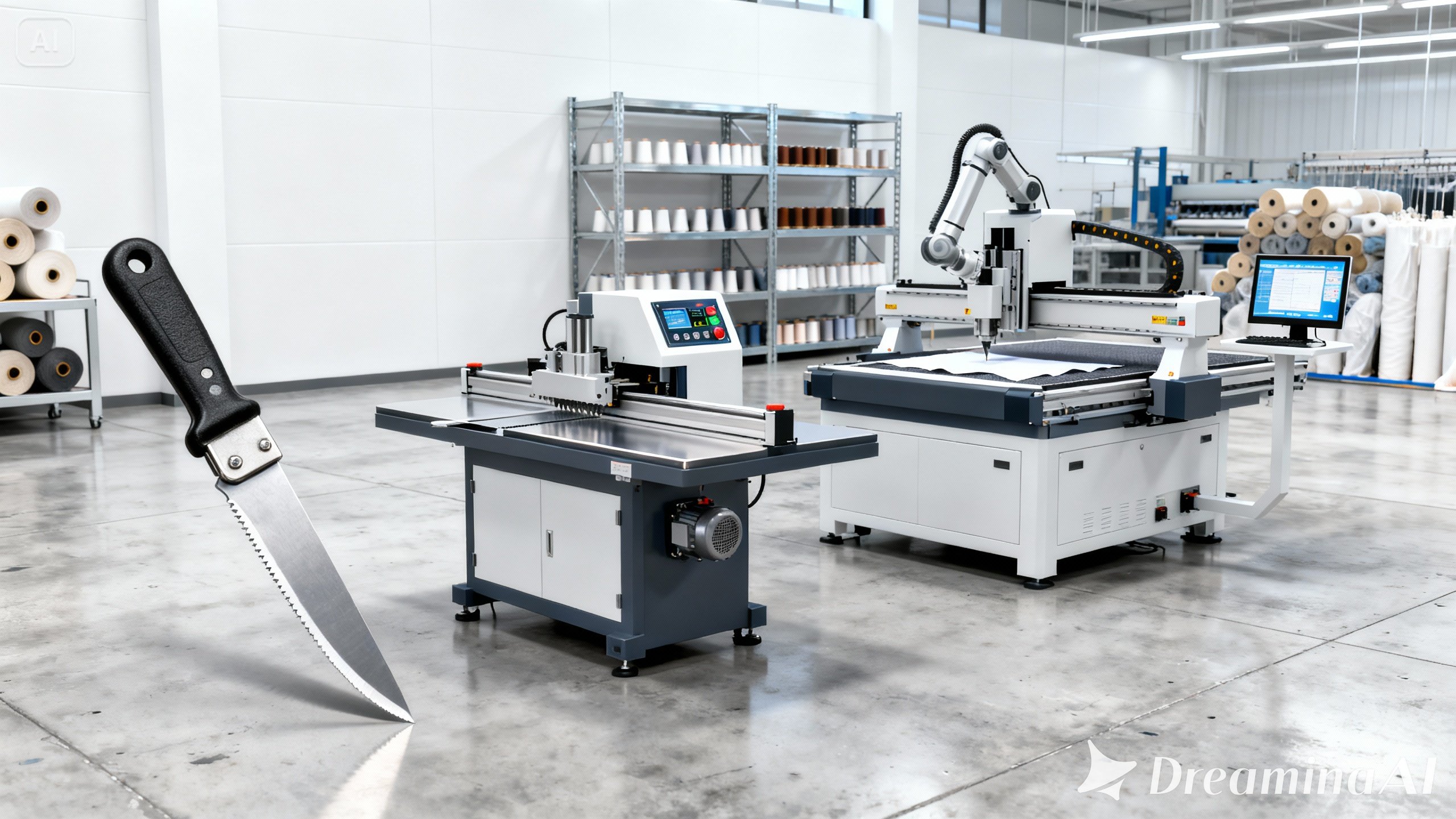
To begin with, companies adopt automated cutters to eliminate slow, manual processes. When fabric layers automatically align, spread, and cut, they reduce production delays. Additionally, intelligent software-equipped machines ensure that they execute complex patterns quickly and consistently.
As a result, factories improve their overall throughput, enabling them to meet tight delivery schedules with greater confidence.
1) Automated Cutting Systems are Increasing Production Speed
To begin with, companies adopt automated cutters to eliminate slow, manual processes. When operators automatically align, spread, and cut fabric layers, they reduce production delays. Additionally, machines equipped with intelligent software ensure that they execute complex patterns quickly and consistently.
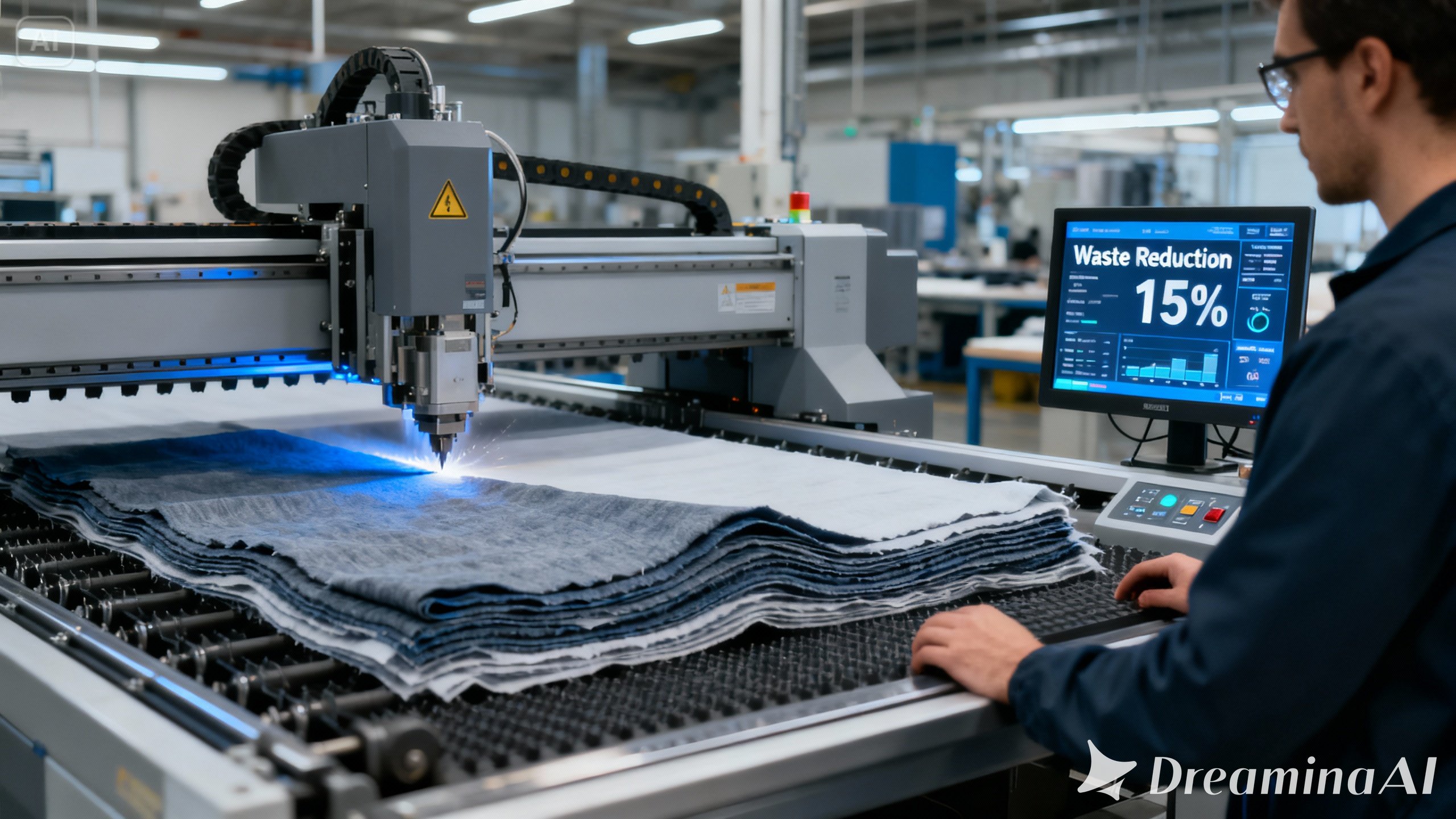
Consequently, companies reduce fabric waste, improve quality, and nearly eliminate pattern deviations.
2) Digital controls are enhancing precision.
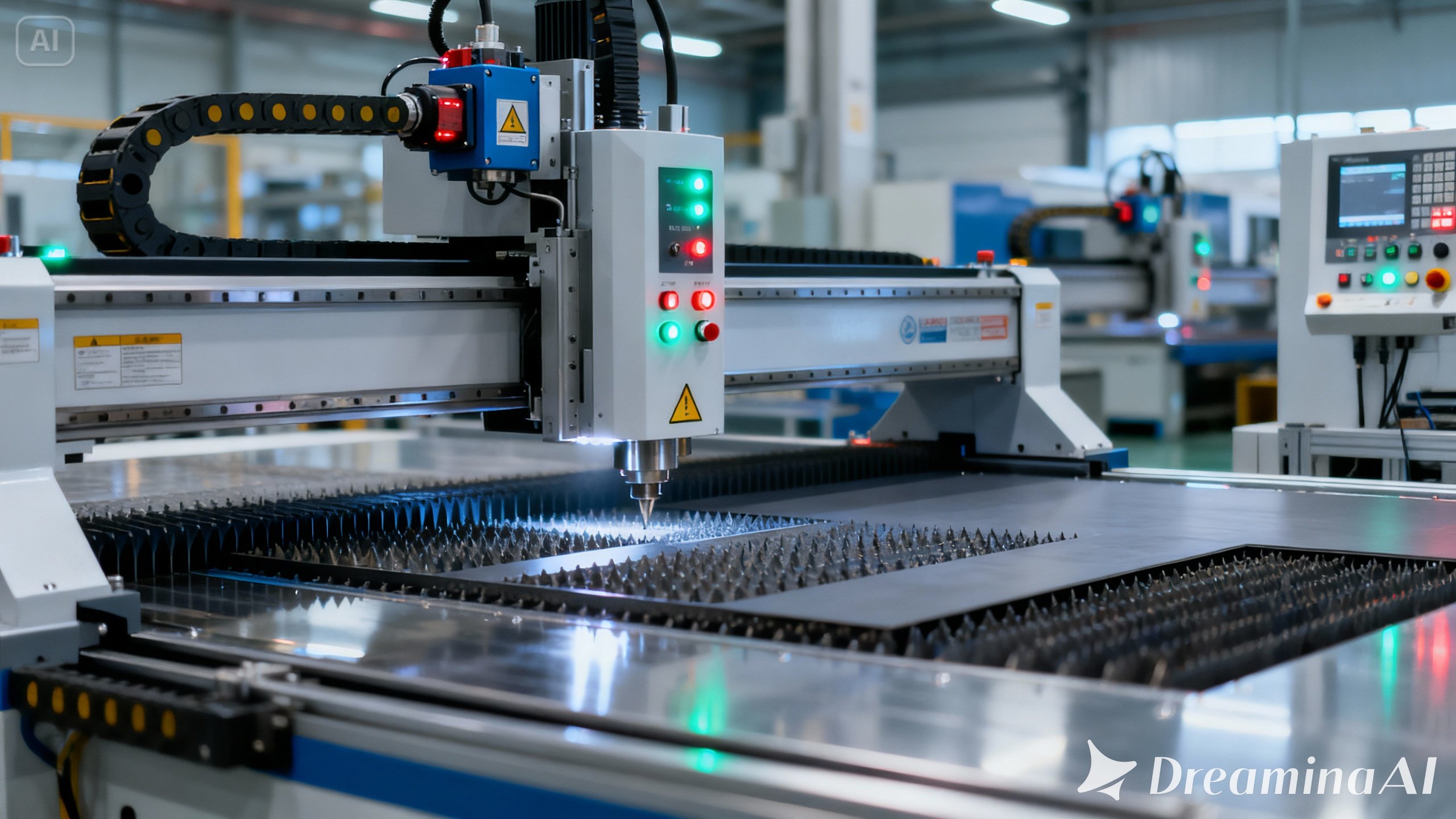
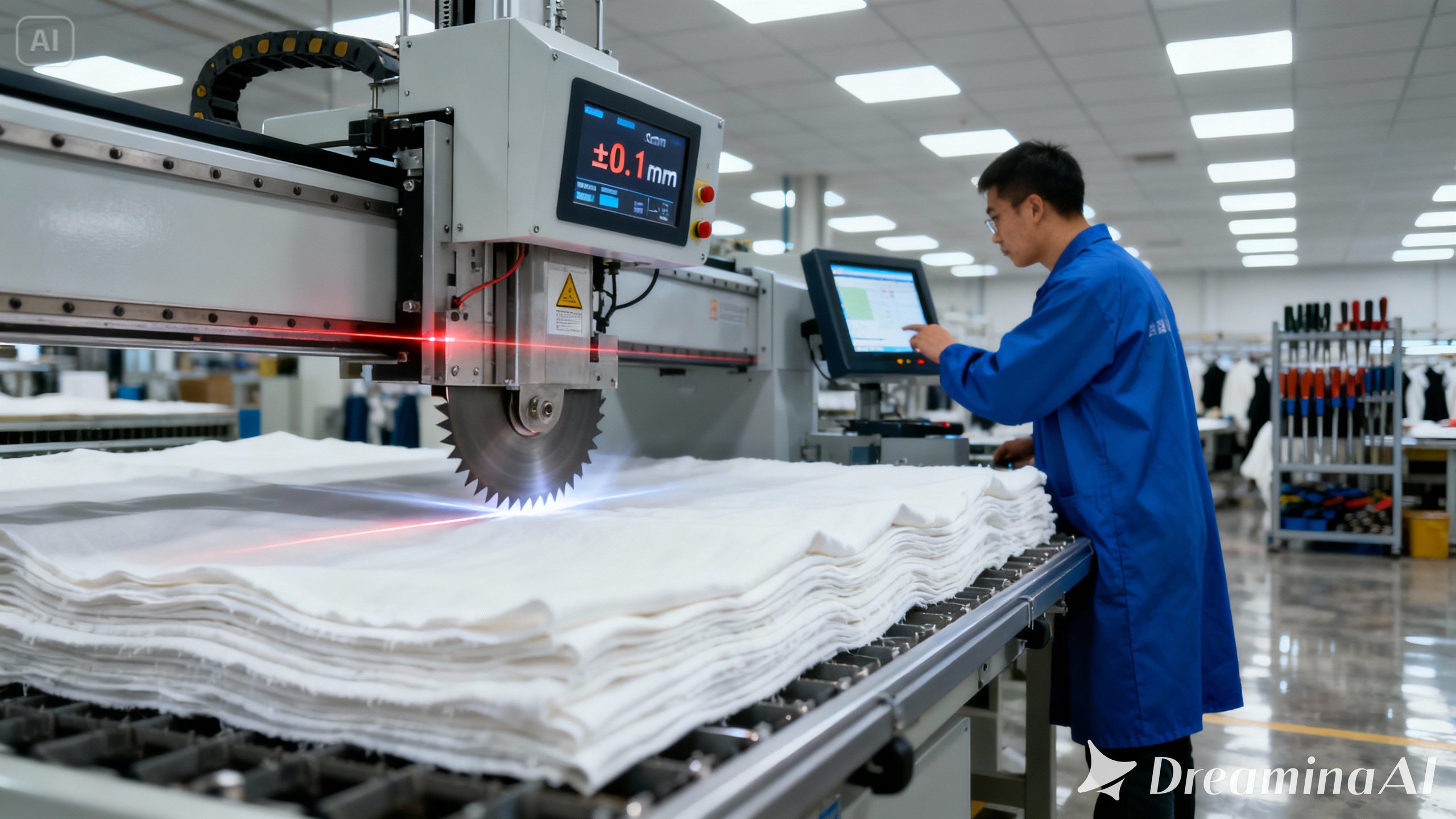
Another major trend is the rise of digital accuracy. Automated cutting machines now incorporate sensors, guided systems, and real-time adjustment tools. These features ensure that operators achieve the same high precision with every cut, regardless of their skill level
Therefore, manufacturers produce more garments with fewer labor hours, and the cutting floor becomes more organized and efficient.
3) Automation increases labor efficiency.
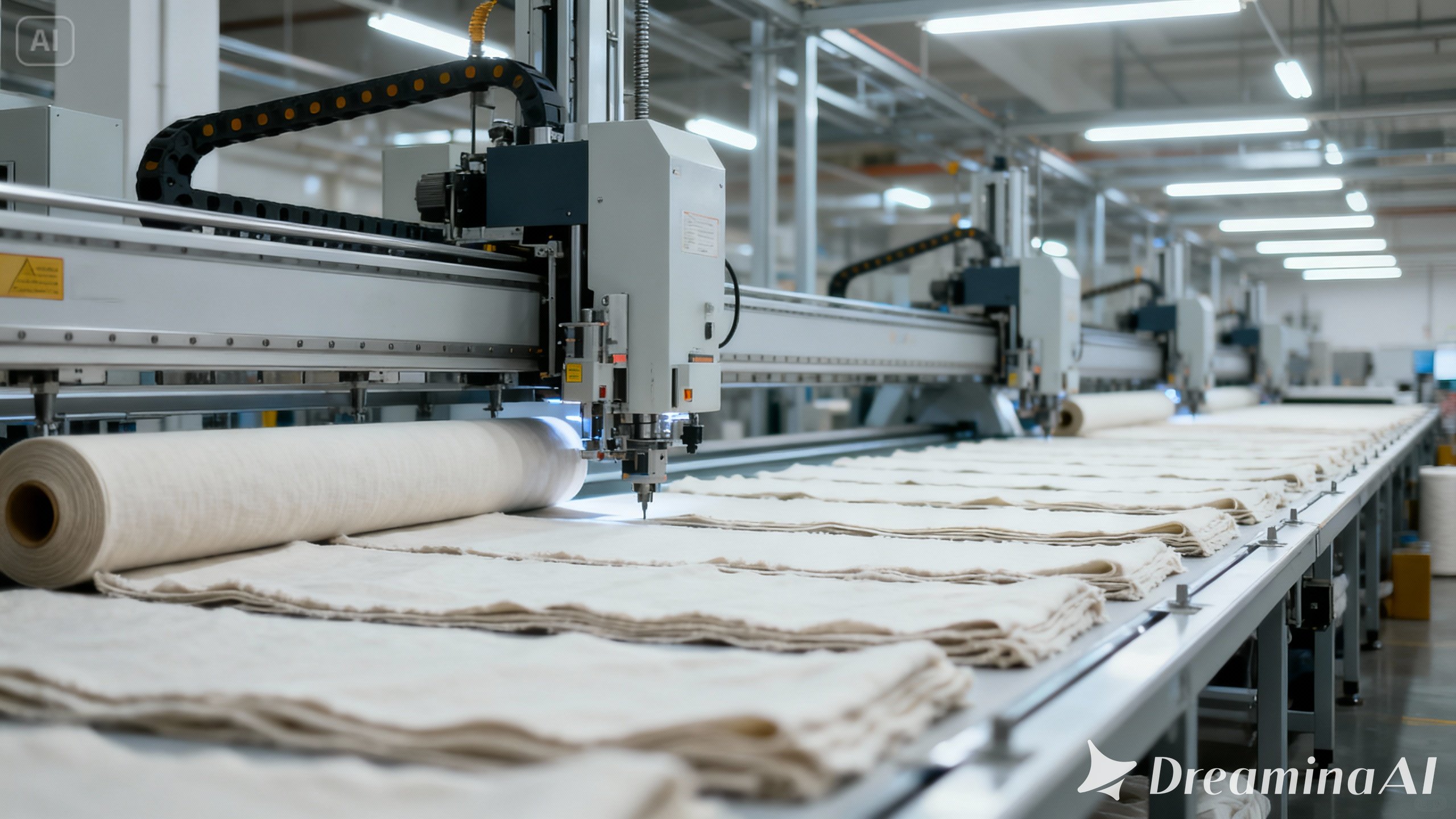
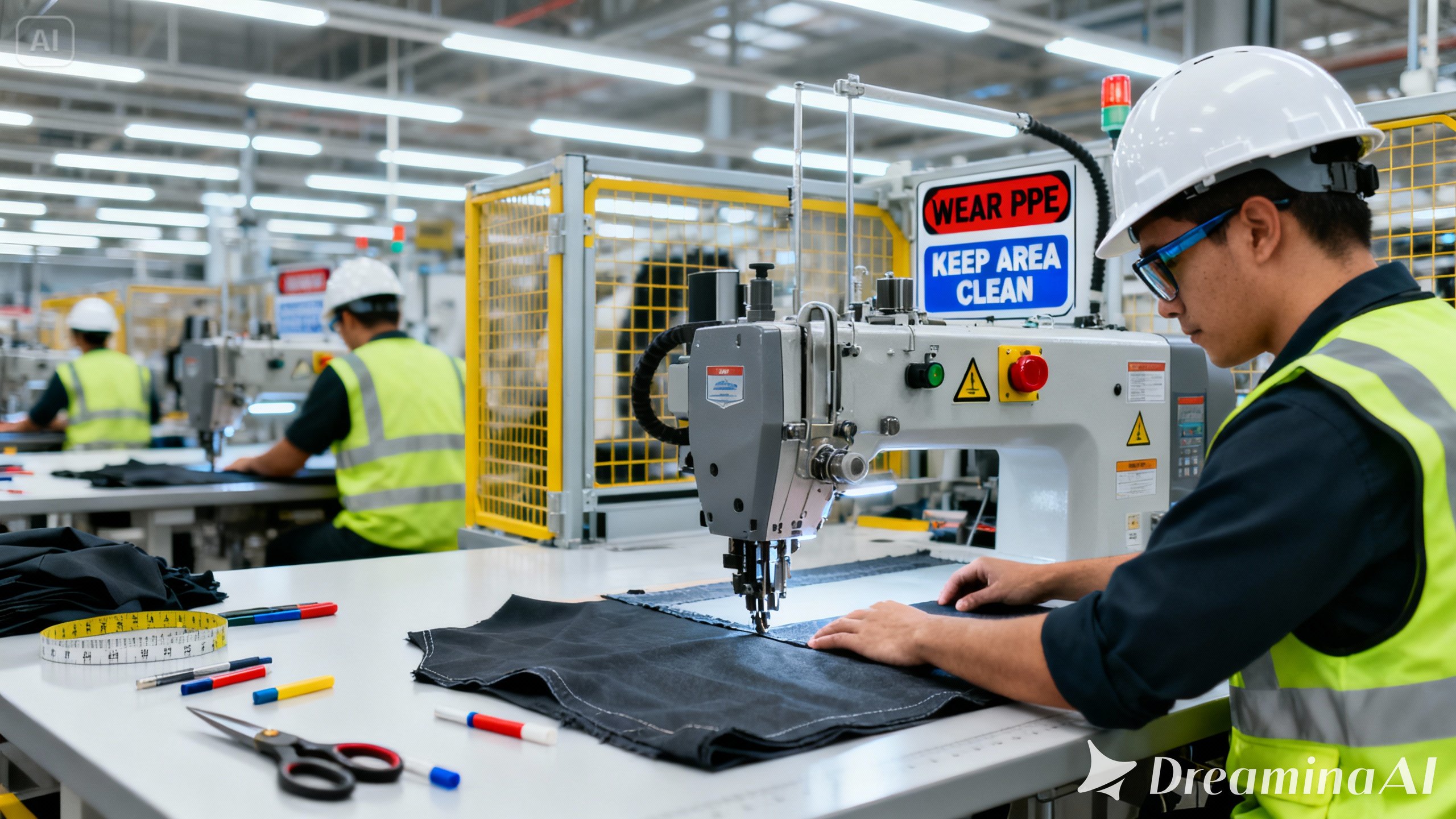
Furthermore, companies use automation to minimize repetitive tasks and reduce operator fatigue. Automated spreading, nesting, and cutting decrease the need for manual corrections. Operators monitor the process, which reduces human error and improves workplace safety.
Therefore, workers can produce more garments with fewer labor hours, which makes the cutting floor more organized and efficient.
4) Predictive Maintenance is Being Supported by Smart Sensors
Modern cutting machines also include self-diagnostic tools. These systems continuously monitor blade health, motor performance, and vibration levels. When they detect that maintenance is needed, they send early alerts to prevent unexpected production interruptions.
This way, operators minimize downtime and significantly extend the machine’s lifespan.
5) Data-Driven Insights Are Being Used for Better Planning
Finally, many automated cutting machines now generate detailed performance reports. The machines automatically record data related to fabric use, cycle time, accuracy, and error trends. Managers use this information to improve planning, adjust workloads, and optimize production targets.
Thus, decisions become more strategic, and the entire cutting department operates with greater clarity.
Conclusion
In summary, automation is changing the textile cutting floor by improving accuracy, increasing speed, elevating safety, reducing waste, and transforming labor efficiency. Factories that invest in automated cutting machines position themselves for higher productivity and long-term competitiveness.
As automation continues to evolve, your machines will remain essential tools for manufacturers who want to stay ahead of industry standards and customer expectations.