Meta Description
Learn essential safety practices for fabric cutting machine operators. Discover protocols that prevent injuries, reduce risks, and ensure a safer cutting floor.
Introduction
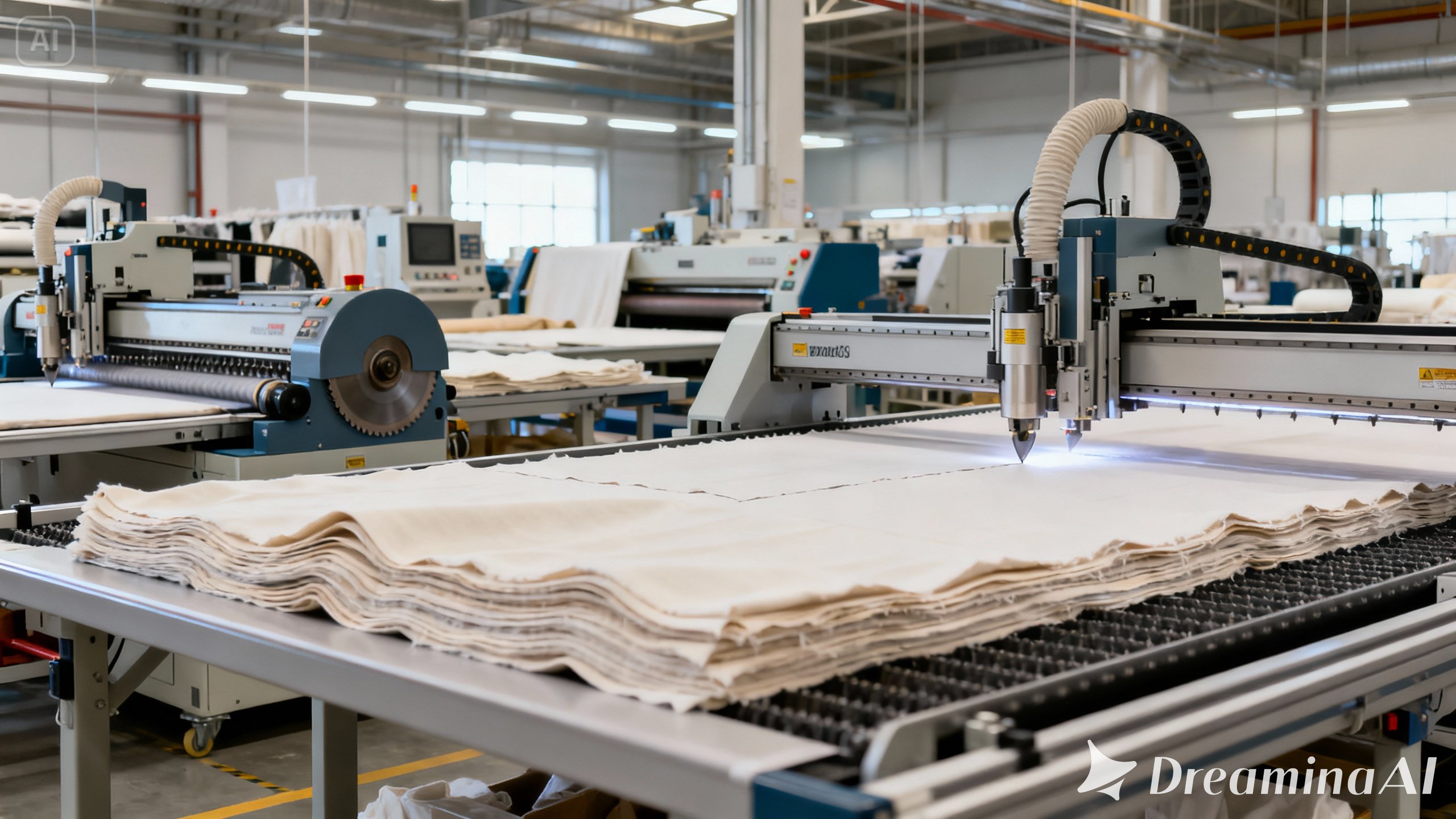
Safety on the cutting floor is one of the most critical priorities in garment and textile manufacturing. Because fabric cutting machines operate at high speed and have extremely sharp blades, operators must always follow strict safety protocols. Therefore, we prepared this guide to highlight the best practices that you should implement to protect cutting machine operators and ensure a safe production environment.
1. Importance of Safety on the Cutting Floor
Cutting floors are usually high-risk areas where injuries can occur quickly if workers do not follow procedures. When workers ignore safety guidelines, accidents happen, machines get damaged, and production delays occur.
However, when workers maintain proper safety measures, they improve productivity, minimize injuries, and keep operations running smoothly.
2. Proper Training Must Always Be Provided
Before allowing any operator to work on cutting machines, provide complete training.
This training must include:
- Machine handling basics
- Understanding blade movement
- Emergency stop functions
- Safe fabric positioning
- Equipment cleaning protocols
Because trained operators respond better during emergencies, they significantly reduce workplace risks.
3. Mandatory Use of Personal Protective Equipment (PPE)
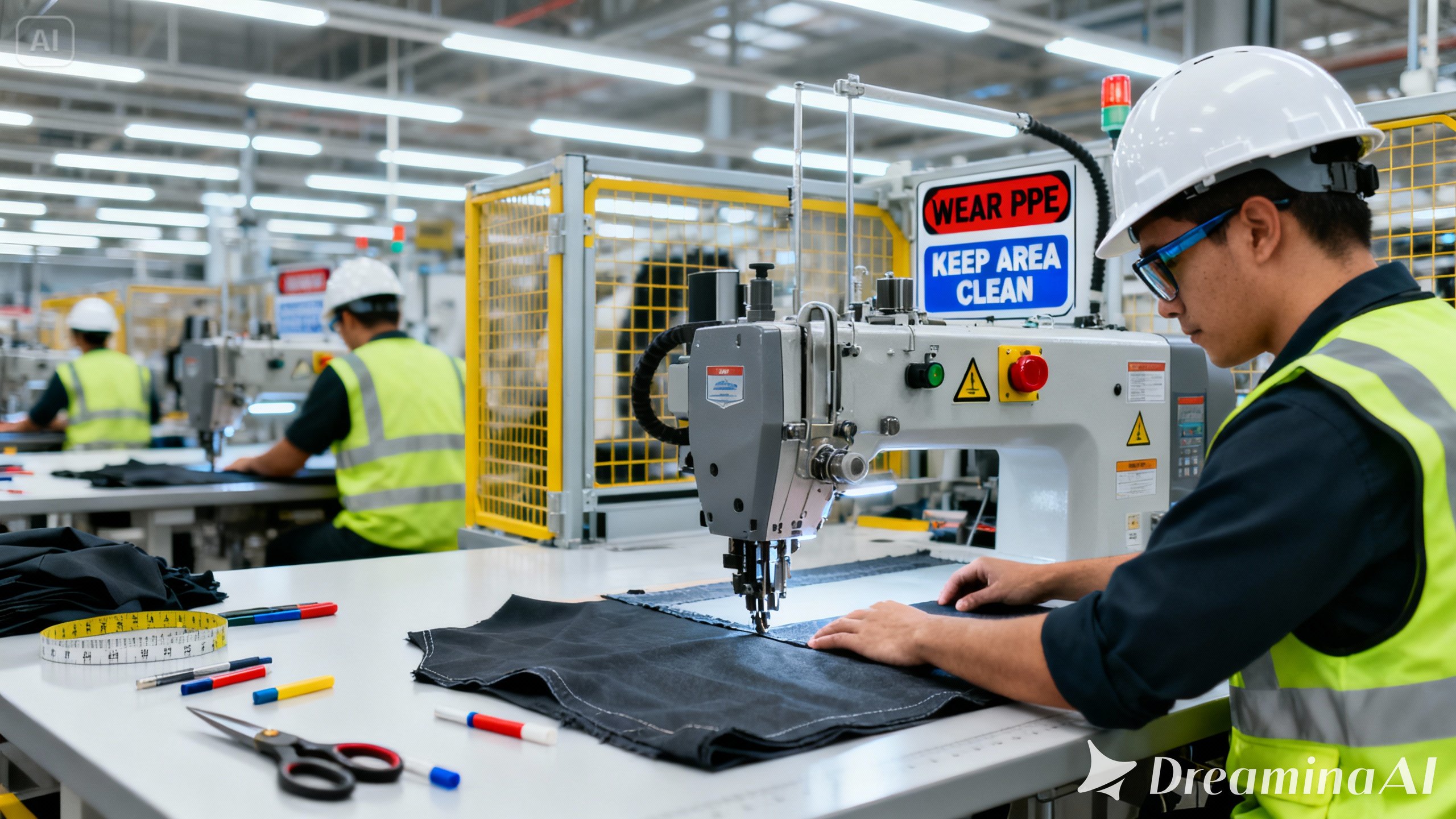
Wearing proper protective gear is essential for all cutting machine operators. Typically, the following PPE should be used:
- Cut-resistant gloves
- Anti-slip footwear
- Safety goggles
- Protective aprons
Wearing appropriate PPE effectively minimizes accidents such as cuts, slips, and eye injuries.
4. Machines Must Be Inspected Regularly
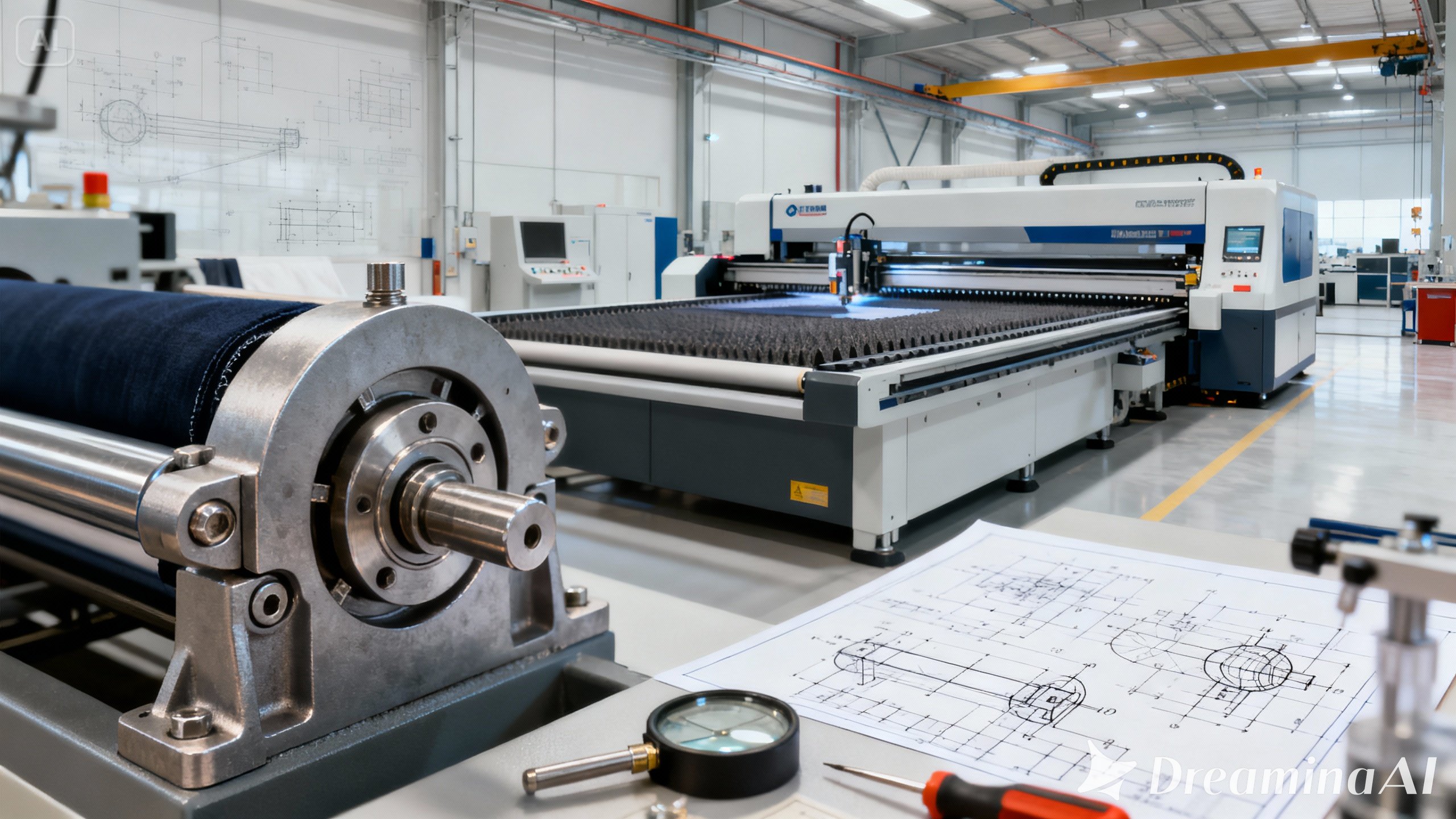
Routine inspection is another critical aspect of cutting floor safety.
Before each shift, workers should check the machines to ensure they are functioning properly.
- Someone installs the blades tightly.
- Safety guards are functioning properly
- Sensors and emergency buttons respond accurately
- Electrical connections are stable
Regular inspection can prevent machine failures and minimize downtime.
5. Clear Workspace Organization Is Required
A clean and organized cutting floor reduces the chances of mistakes and accidents.
Therefore:
- You must arrange the cables neatly.
- You should remove fabric scraps promptly.
- You should store tools safely.
- Do not place items near moving blades.
Organized workspaces help operators move more confidently and safely around the cutting area.
6. Safe Blade Handling Practices Should Be Followed
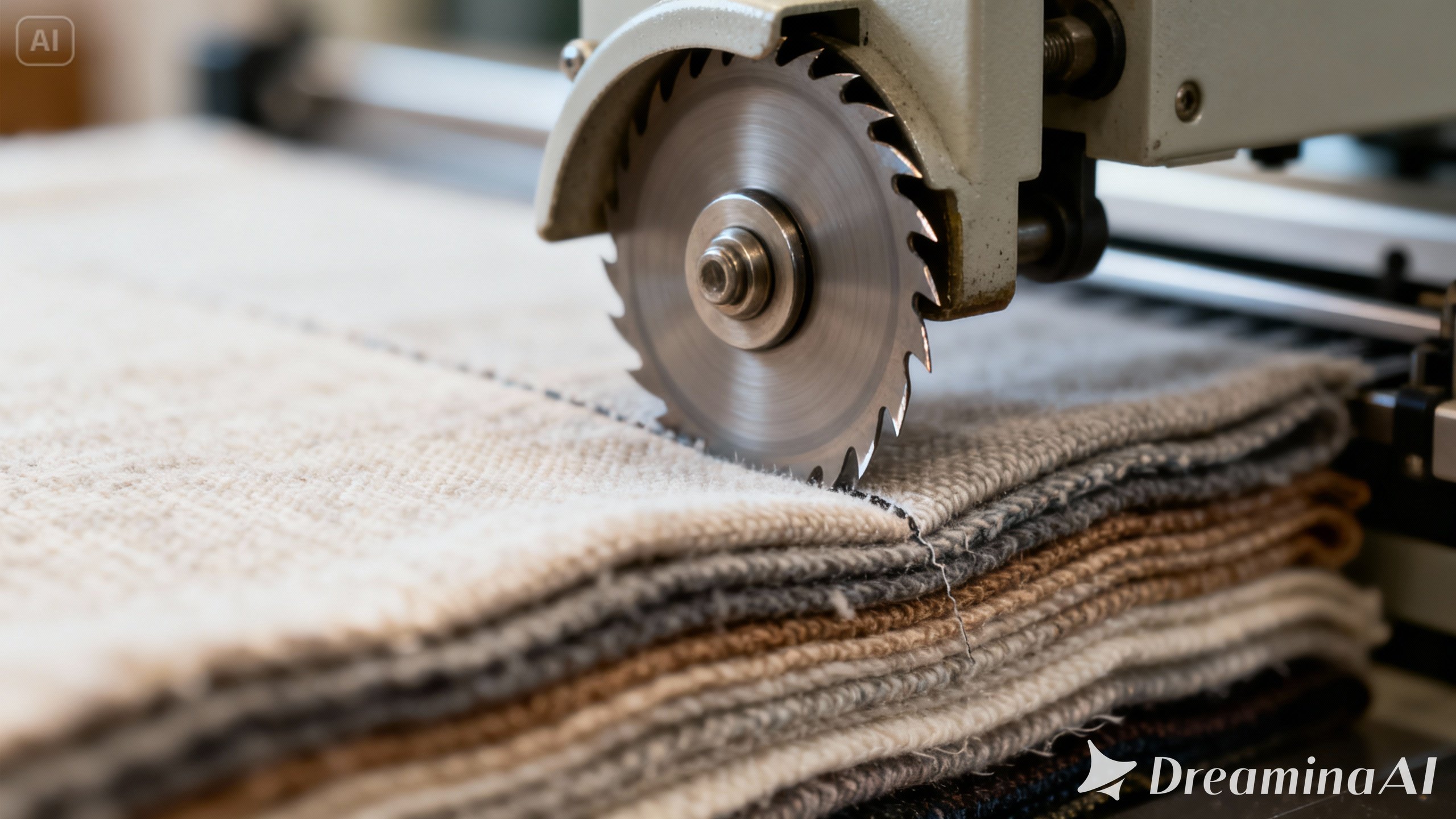
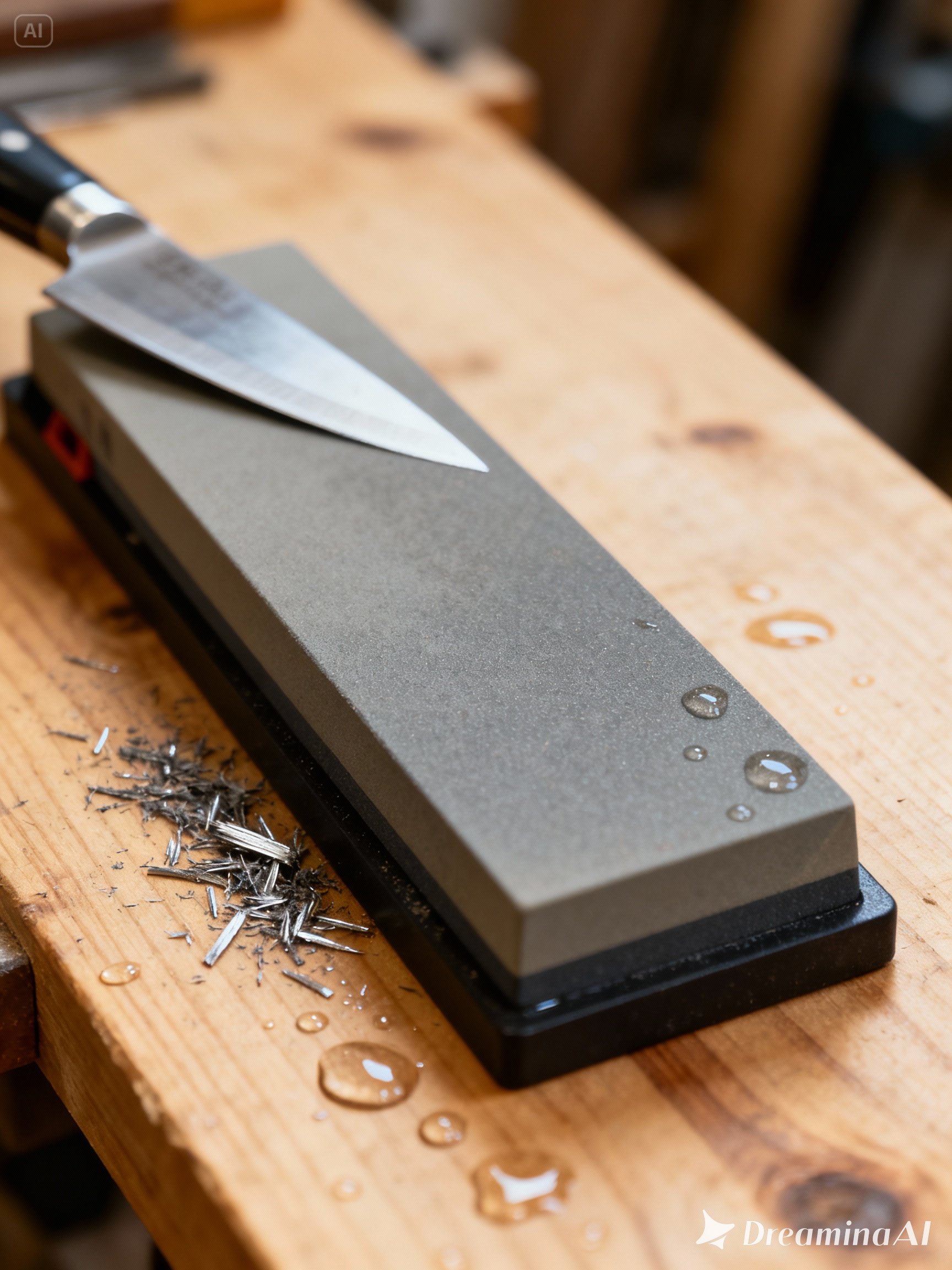
Blades are the most dangerous components of cutting machines, which is why careful handling is essential.
Blades must always be changed:
- Make sure you power off the machine before using it.
- Using proper tools
- By trained personnel
Additionally, dispose of used blades in designated containers to prevent injuries.
7. Emergency Protocols Must Be Understood Clearly
Every operator must know how to react during an emergency.
For example:
- Press the emergency button to stop the machine immediately.
- They must inform the supervisors.
- The injured operator must receive first aid
- Someone should secure the area before resuming work.
When workers understand emergency procedures, they dramatically reduce the impact of accidents.
8. Proper Ventilation and Lighting Must Be Maintained
Adequate lighting ensures that operators can see fabric lines clearly, and ventilation helps reduce dust-related hazards.
Therefore, they must equip cutting rooms with bright lighting, exhaust systems, and clean air circulation.
Conclusion
Safety on the cutting floor cannot be compromised. By providing thorough training, ensuring proper PPE usage, inspecting machines, and organizing workspaces, we can create a safer and more productive environment. Furthermore, when operators follow these best practices consistently, they minimize risks, improve efficiency, and complete cutting operations with greater confidence.