Meta Description
Smart spreading and rolling systems are used to minimize fabric waste and improve cutting accuracy. Learn how advanced workflows boost efficiency and reduce costs.
Introduction
In today’s garment industry, material waste has become one of the most expensive challenges. Therefore, companies increasingly use smart fabric spreading and rolling systems to ensure they handle fabric with precision before it reaches the cutting table. When workers perform spreading and rolling correctly, they significantly reduce waste and make overall production much more efficient.
Why Fabric Spreading Matters
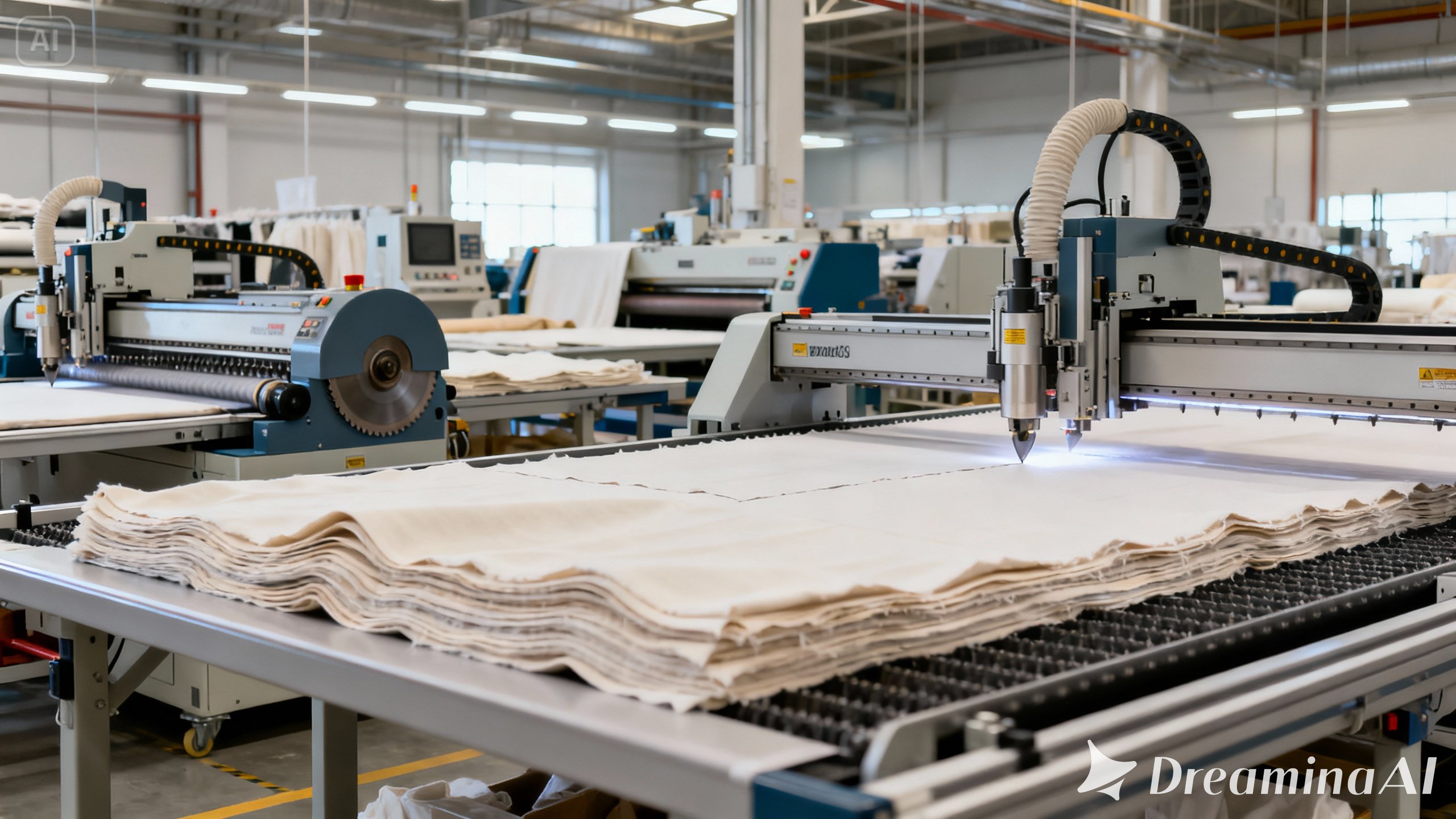
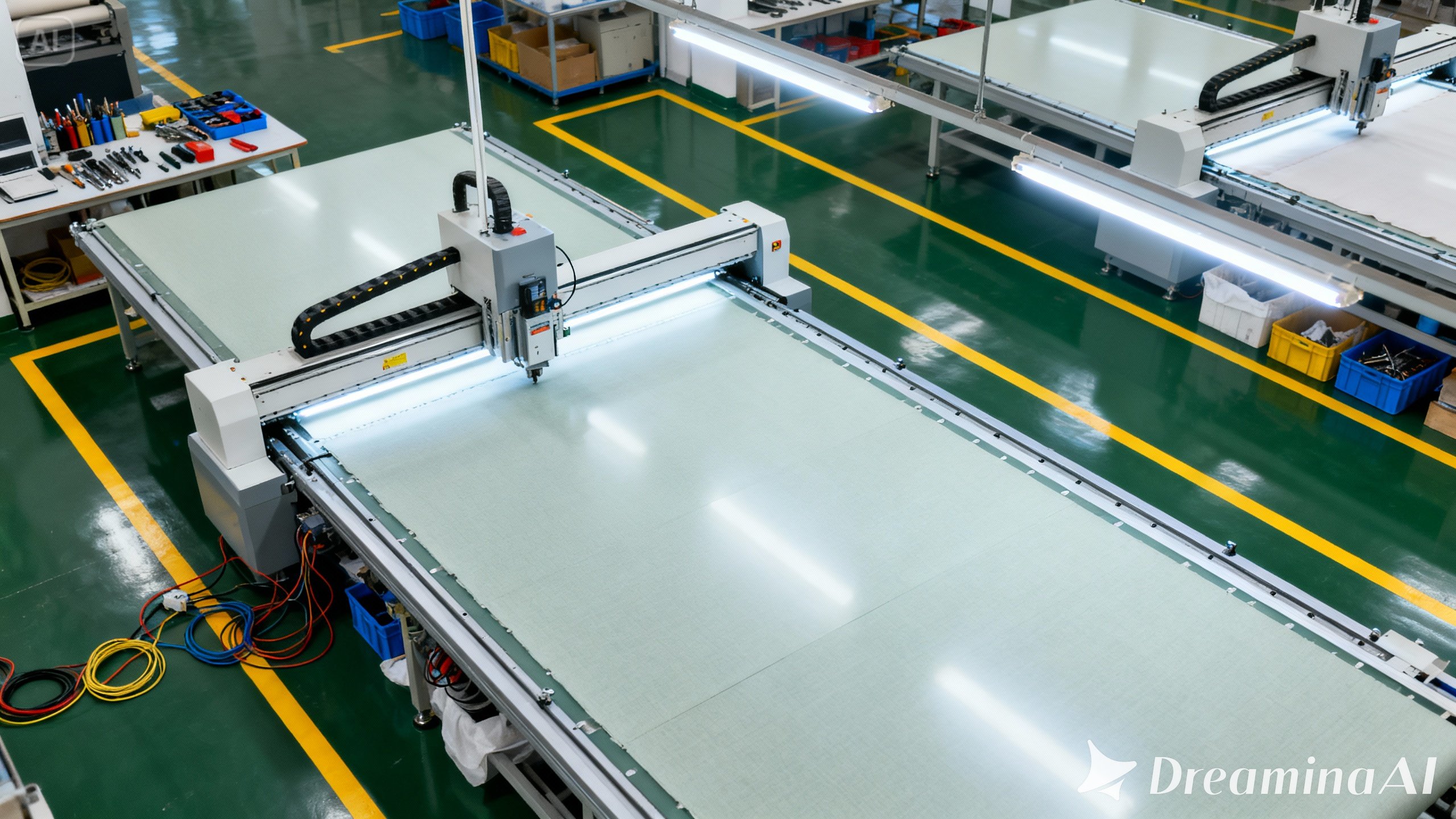
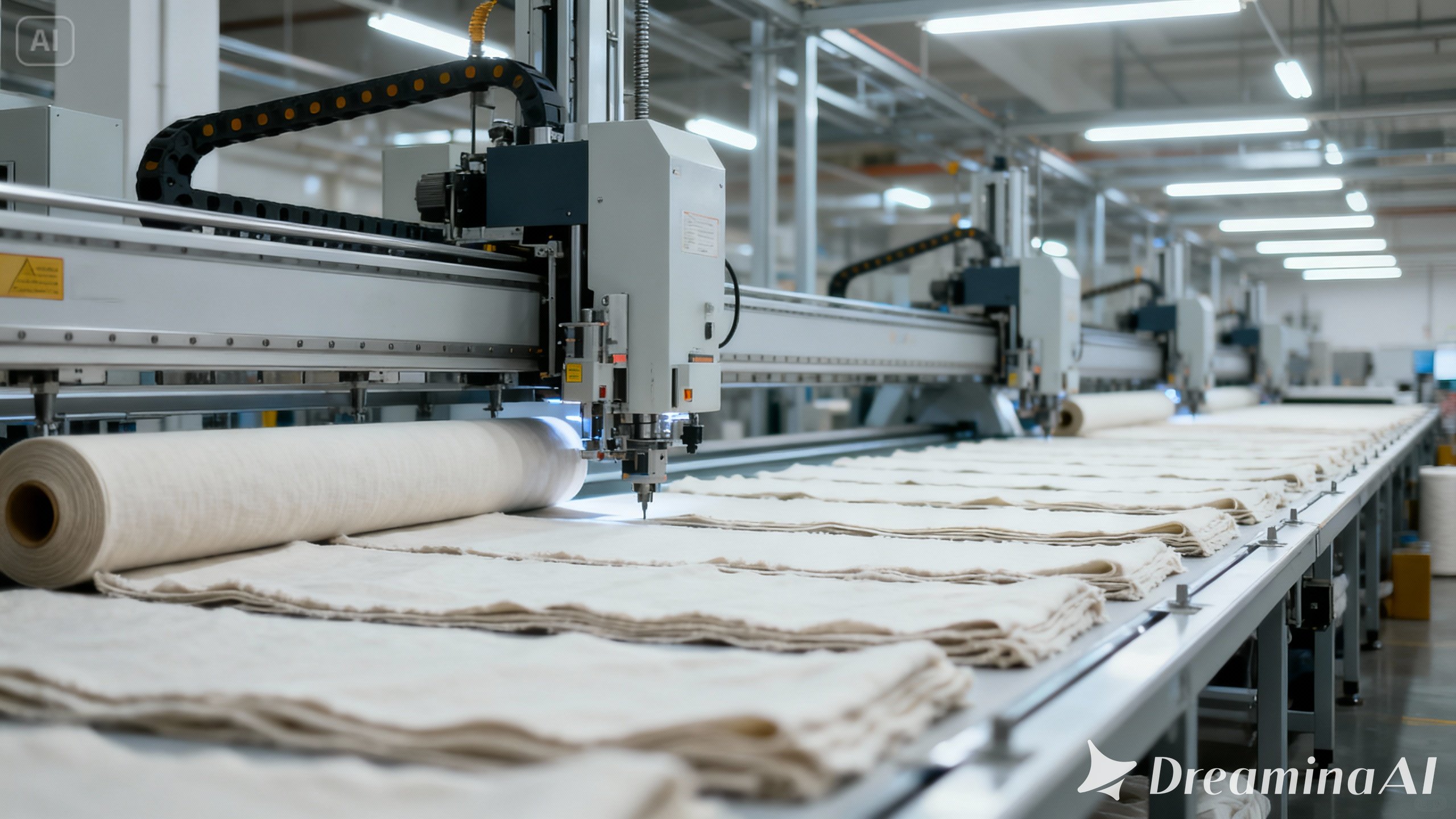
Fabric spreading forms the foundation of the cutting workflow. If operators spread fabric layers unevenly, they produce inaccurate cuts and waste more fabric. Moreover, operators often face issues such as fabric tension, wrinkles, bowing, and misalignment. However, when they use advanced spreading systems, these problems are minimized, resulting in smoother and waste-free layers.
How Rolling Systems Reduce Waste
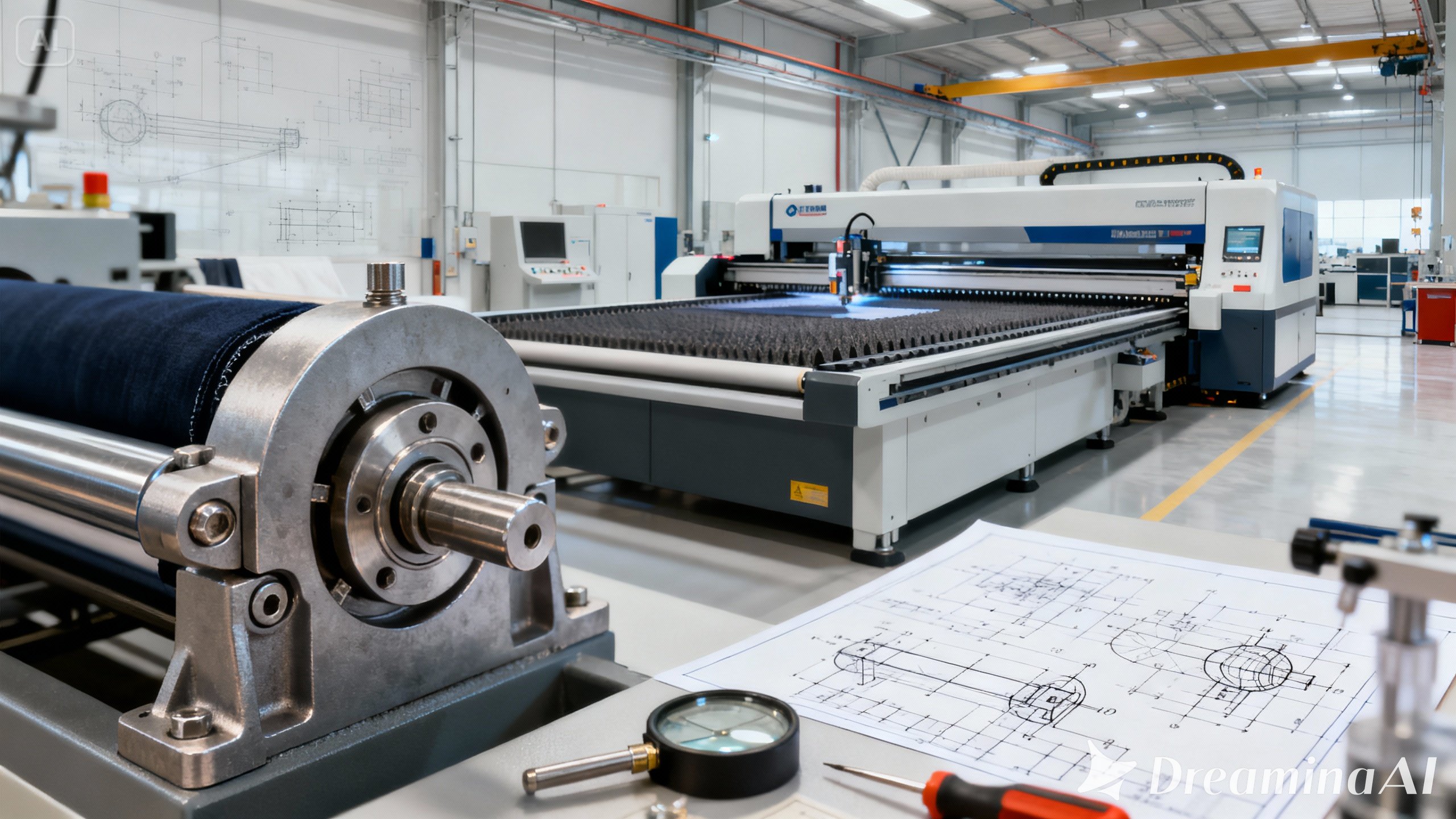
In addition to spreading, rolling systems play a crucial role in maintaining fabric quality. Workers often handle fabric rolls manually, which increases the chances of tension loss and end-bit wastage. On the other hand, automated rolling systems are designed to maintain perfect alignment, reduce stretch, and preserve consistency across the entire roll. As a result, workers prepare the fabric in its most stable form before they begin cutting.
Better Integration With Cutting Machines
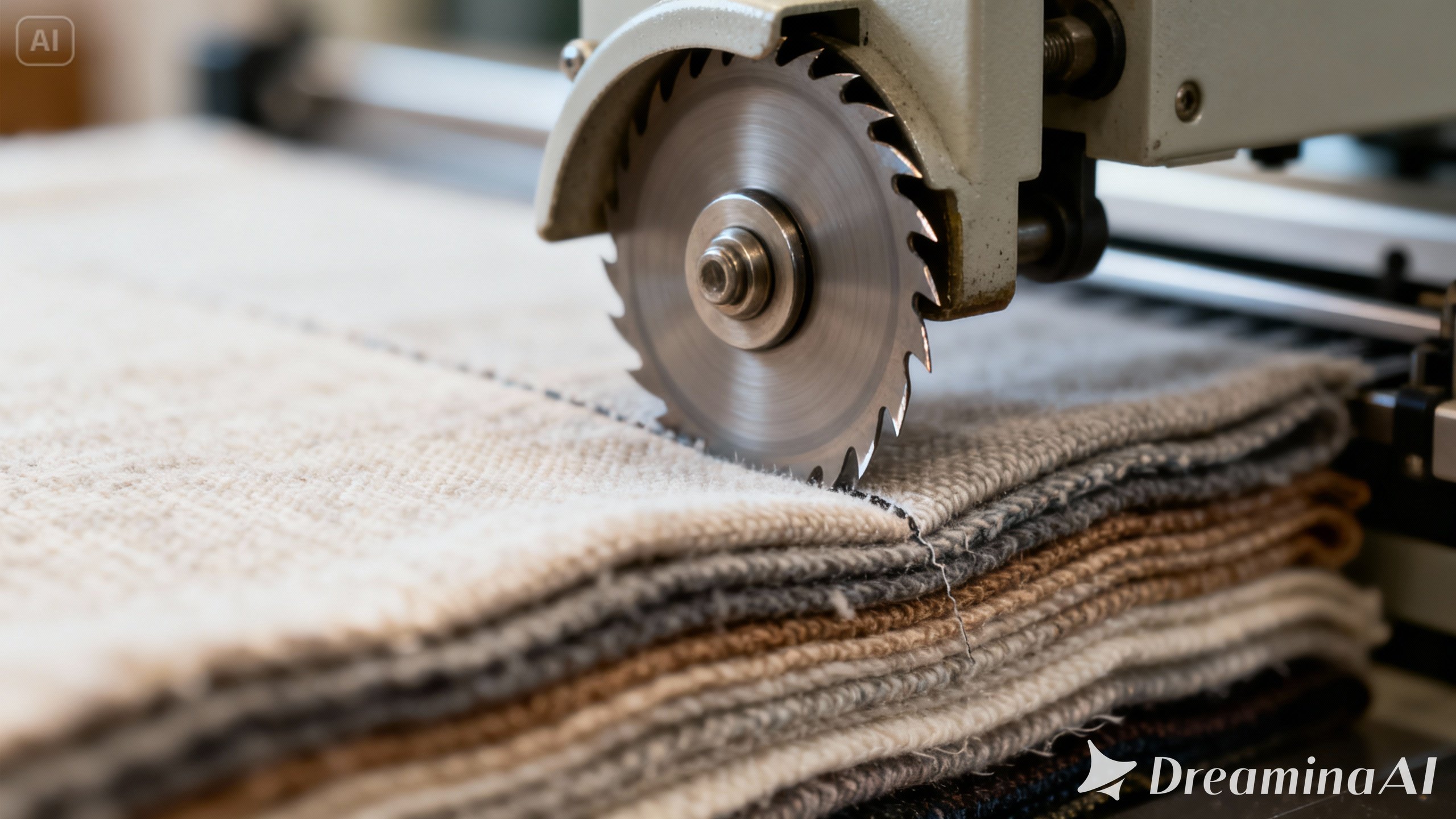
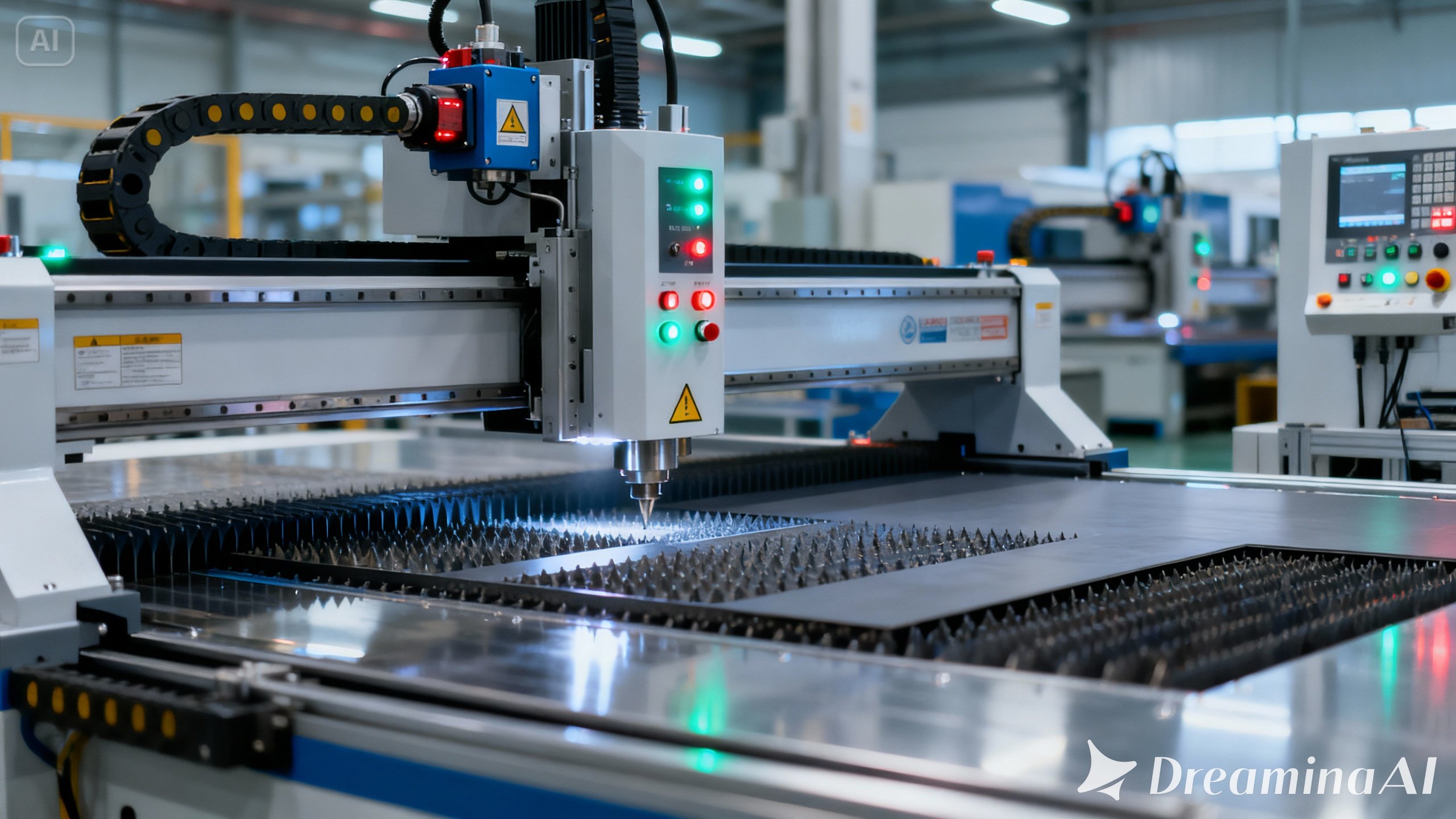
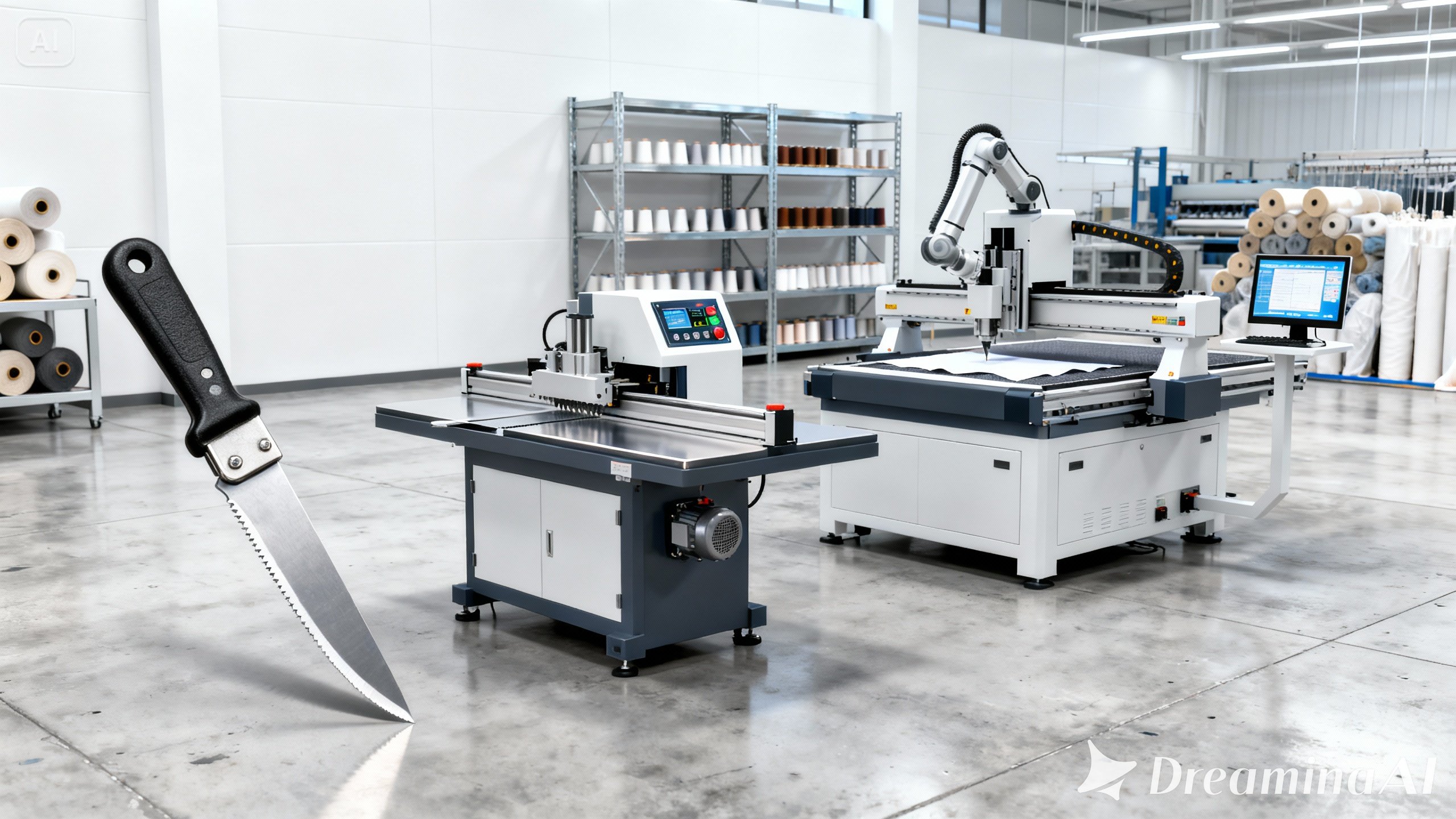
Furthermore, modern apparel factories are shifting toward fully integrated cutting workflows. When workers synchronize spreading and rolling systems with fabric cutting machines, they achieve maximum accuracy. The cutting head moves more precisely because the fabric layers lie flat and tension-free. As a result, they produce straighter cuts, fit markers better, and reduce fabric consumption.
Impact on Material Waste Reduction
When companies use smart spreading and rolling systems together, they dramatically reduce material waste. Additionally, they successfully utilize more markers because they prevent defects from appearing in the fabric layout. Even small improvements per layer lead to substantial annual savings, especially in high-volume production environments.
Boosting Overall Production Efficiency
Not only do companies reduce waste, but they also significantly increase productivity. Automated spreaders and rollers operate at a consistent speed, enabling cutting machines to function without interruption. As a result, companies make production more predictable, faster, and far more cost-effective.
Conclusion
In conclusion, garment manufacturers should never overlook fabric spreading and rolling. When they optimize and integrate these systems with cutting machines, they minimize waste, enhance accuracy, and improve the entire workflow. To put it simply, smart spreading and rolling systems drive efficient and profitable apparel production.