Meta Description
Modern energy efficient textile machines are helping factories reduce power usage, cut running costs, and boost long-term productivity. Learn what truly matters.
Introduction
In today’s highly competitive textile industry, factories constantly push themselves to lower operational costs while increasing output. Consequently, companies recognize energy efficiency as one of the most impactful areas where they can achieve major savings. Moreover, as modern machines continue to evolve, manufacturers are increasingly integrating smarter energy-saving technologies into production lines.
Why Energy Efficiency Matters in Textile Machinery
Energy consumption has traditionally been one of the largest ongoing expenses in textile manufacturing. Therefore, machines consuming electricity for long hours at high loads use a significant amount of power. As a result, companies see their monthly running costs rise and generate unnecessary waste.
However, adopting energy efficient machinery greatly reduces the overall power requirement. Additionally, better electrical control ensures that machines consume energy only when needed.
How Modern Machines Reduce Power Usage
With advancements in engineering, manufacturers now include several intelligent energy-saving features in textile machinery. Furthermore, these features ensure smoother operations, lower consumption, and longer machine life.
1. Variable-Frequency Drives (VFDs)
Regulators minimize energy use by adjusting motor speed according to workload. Consequently, operators prevent extra power from being wasted during light operations.
2. Servo Motors
Servo motors are designed to draw power only during active motion. Therefore, they do not consume electricity continuously, which significantly lowers running costs.
3. Automatic Power-Down & Sleep Modes
The machine conserves energy through automatic shutdown functions when it is idle. Additionally, it reduces unnecessary wear on components.
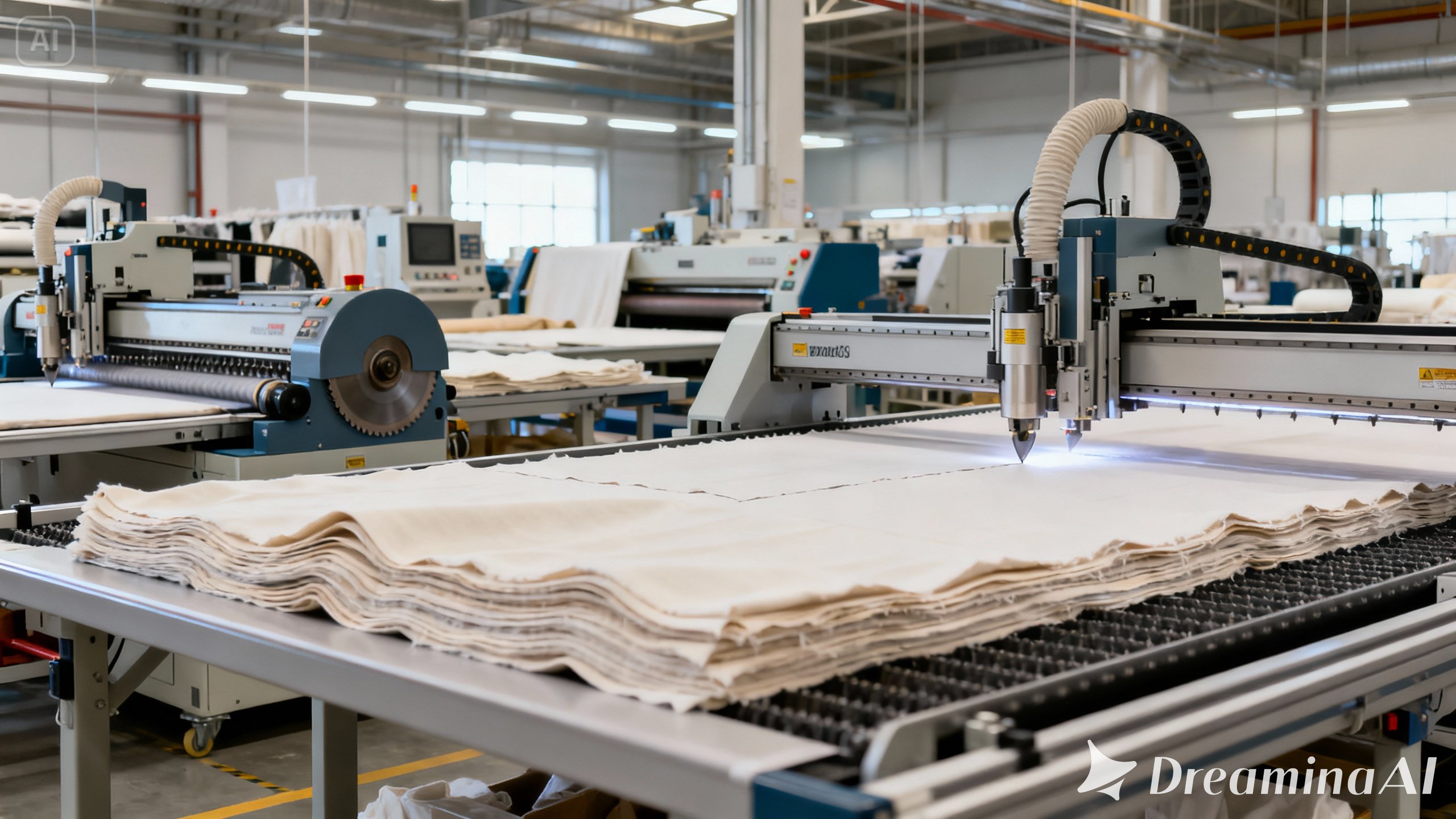
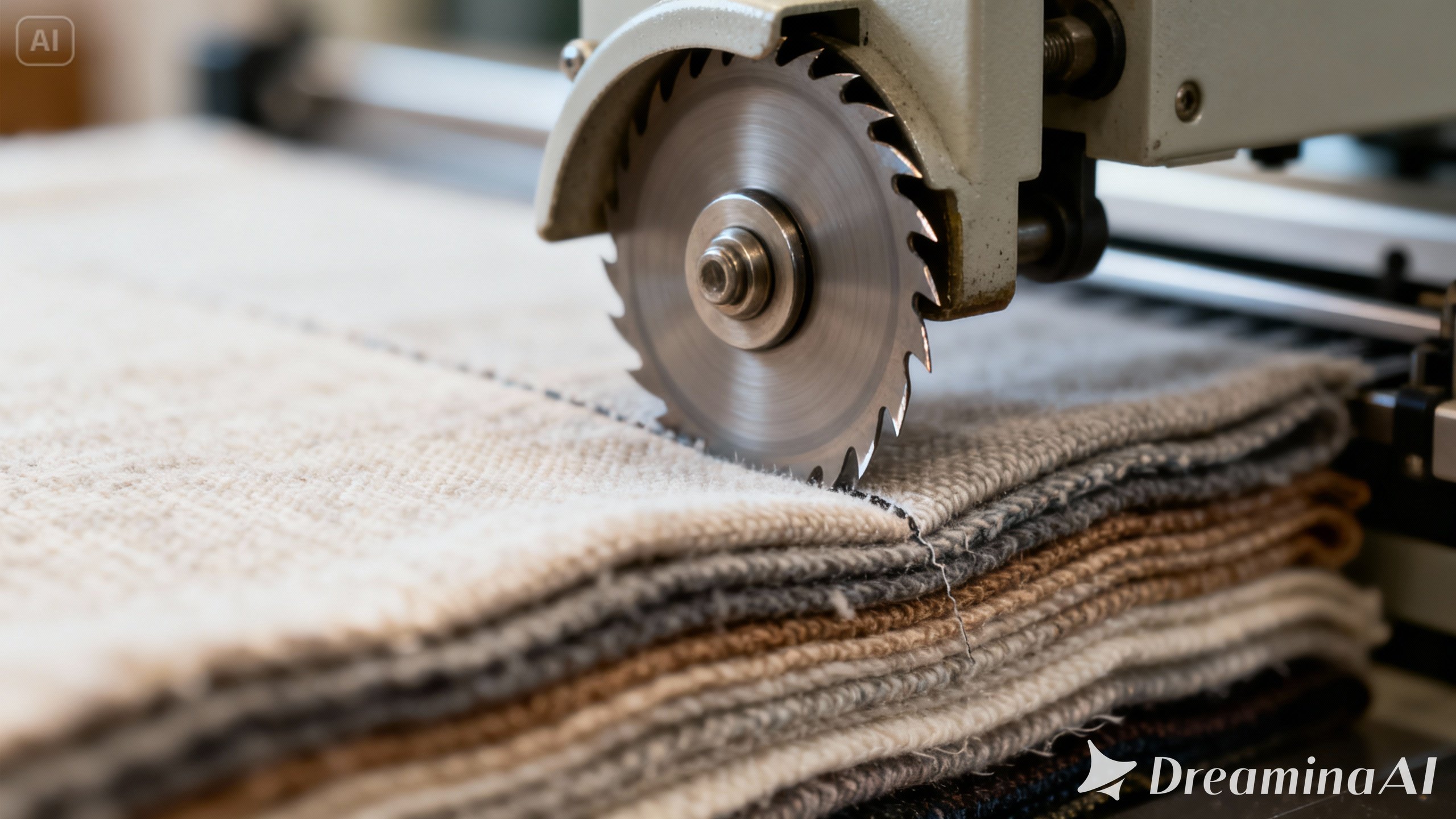
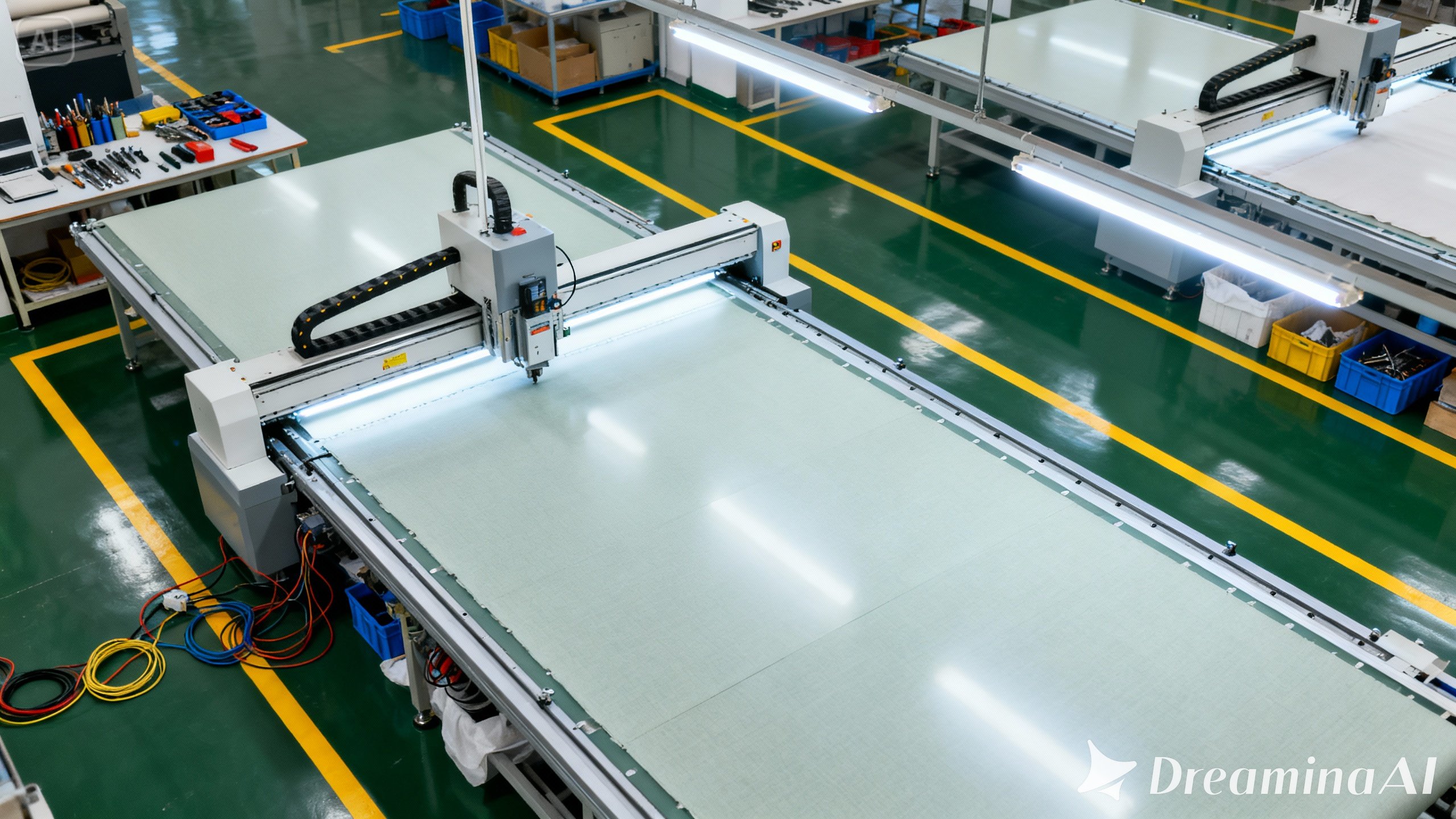
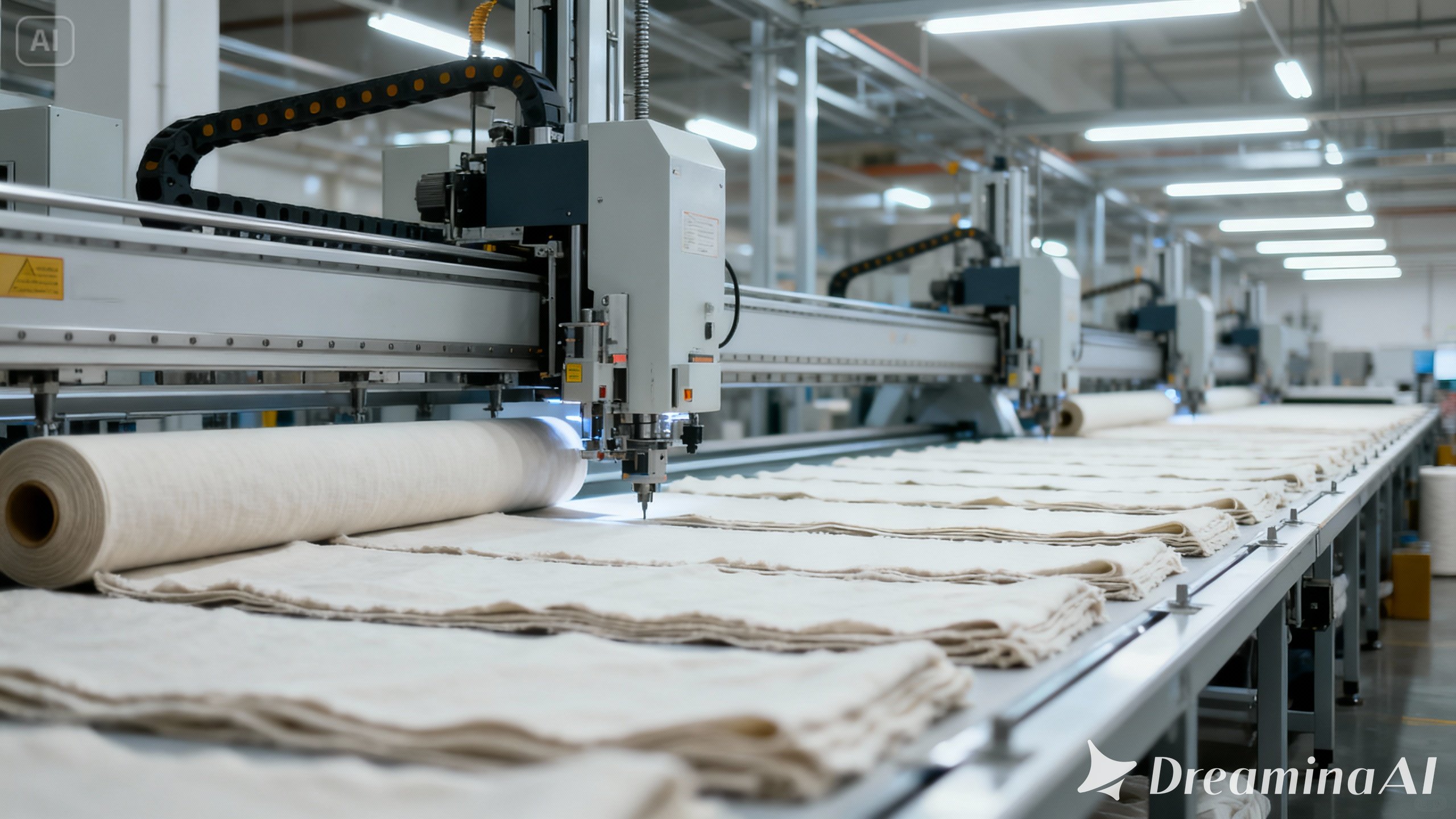
4. Improved Cutting & Spreading Mechanisms
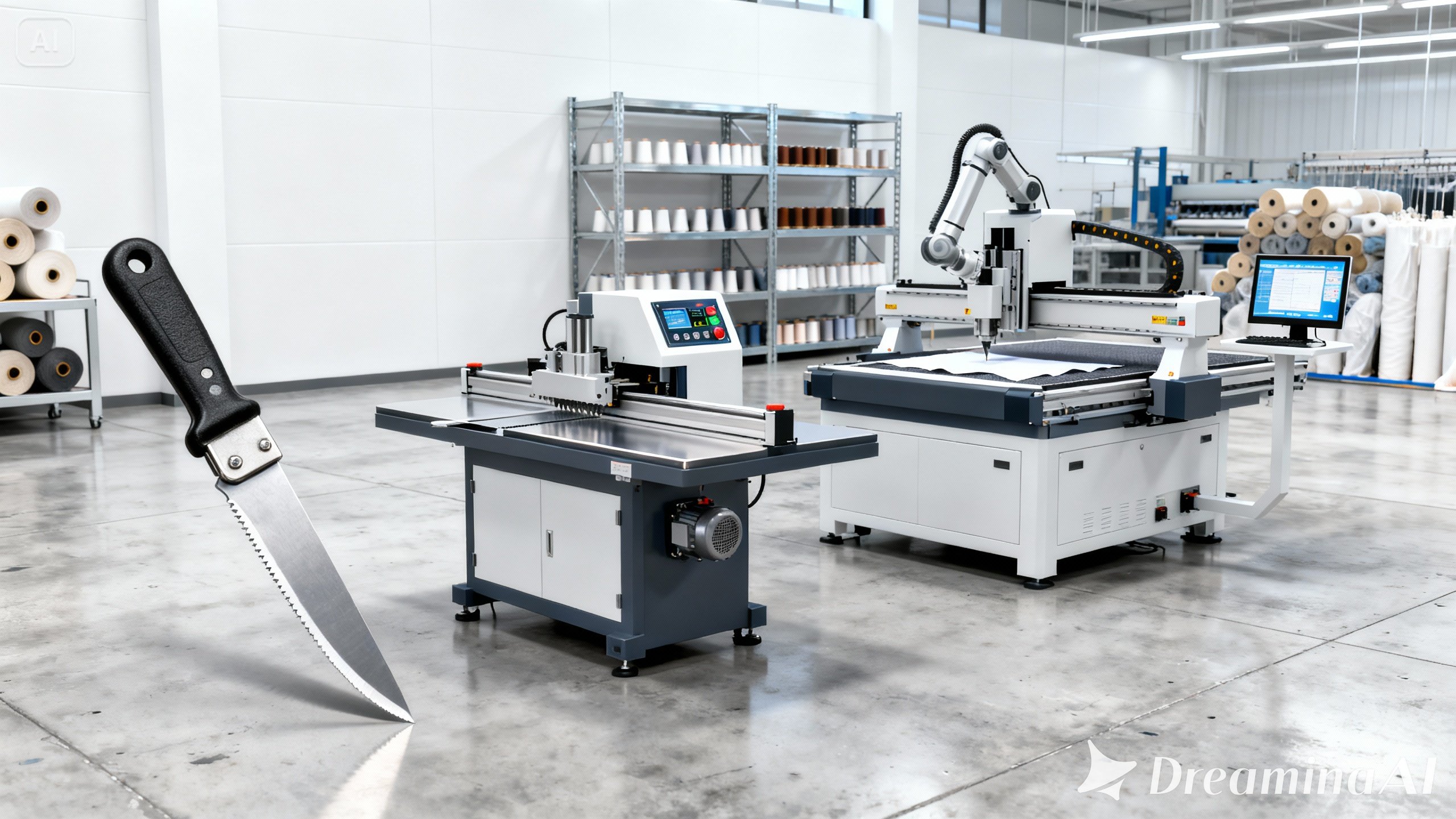
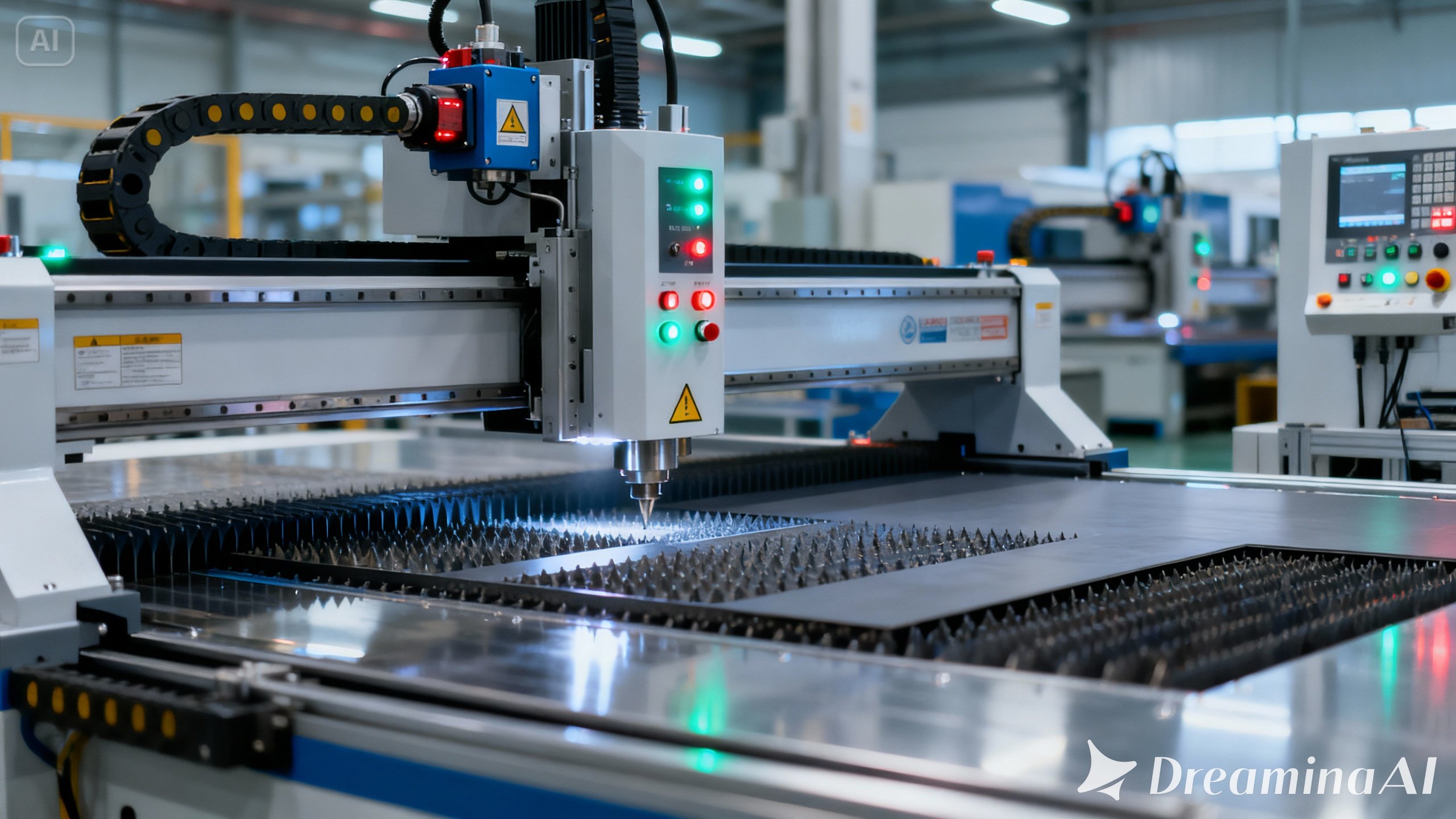
Modern cutting and spreading systems are built with precision components that require less force to operate. As a result, they need less energy to complete the same tasks.
Understanding Running Costs Beyond Electricity
While electricity usage is a major factor, energy-efficient machinery also reduces several additional costs. Moreover, when machines operate with less strain, they make their mechanical parts last longer.
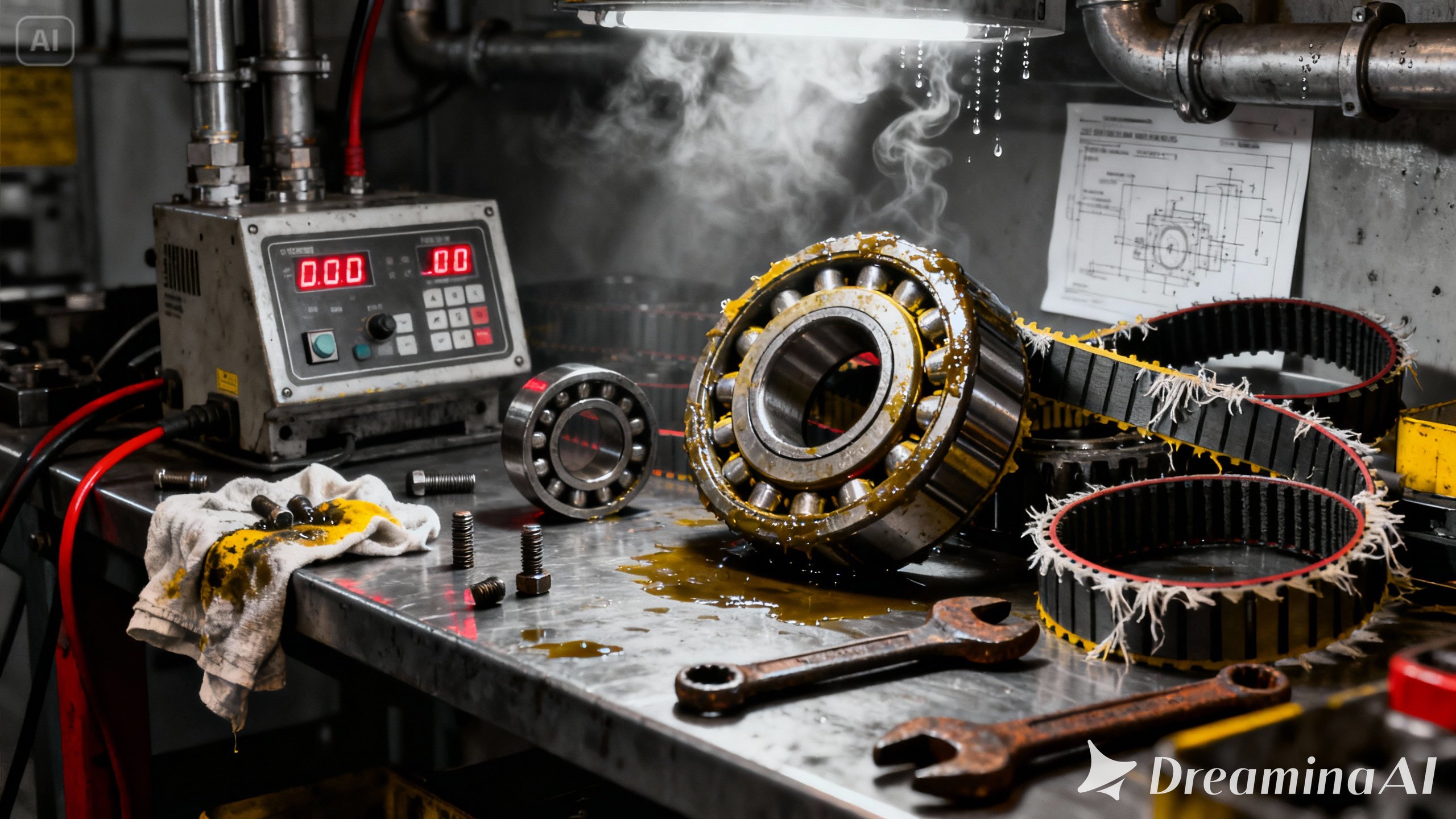
Reduced Maintenance Costs
Since motors and drives do not overload, they experience fewer breakdowns. Therefore, maintenance expenses decrease over time.
Lower Heat Generation
Energy-efficient motors produce less heat, so cooling systems do not need to work as hard. Consequently, they also lower secondary energy consumption.
Longer Machine Life
When energy flow is controlled effectively, machine components experience slower wear. As a result, equipment remains productive for many more years.
How Energy-Efficient Machines Save Money Long Term
Although modern machines may require a higher initial investment, they consistently deliver long-term savings. Furthermore, factories see financial benefits within the first year of use.
Key Long-Term Savings Include:
- Reduced electricity bills
- Fewer mechanical failures
- Lower maintenance expenses
- Higher production output
- Extended machine lifespan
Ultimately, an energy-efficient machine pays for itself through continuous operational efficiency.
What to Consider When Choosing an Energy-Efficient Machine
Before investing in new equipment, several factors should be evaluated. Additionally, these considerations ensure that the right machine is selected.
1. Motor Technology
Check whether servo motors or VFDs are used.
2. Power Consumption Ratings
Compare wattage, energy classes, and standby consumption.
3. Load Capacity & Performance
Ensure that efficiency is maintained even at high production levels.
4. Automation Features
Automation often reduces both idle time and power waste.
5. Brand Reputation & Support
Reliable manufacturers offer better components and service.
Conclusion
In conclusion, energy-efficient textile machinery has become an essential investment for modern manufacturers. Not only is power consumption reduced, but running costs are lowered, productivity is improved, and machine life is extended. Furthermore, as new technologies continue to emerge, factories that prioritize energy efficiency will be better positioned for long-term success.