Meta Description
Prepare your cutting floor efficiently before installing a new machine. Learn about layout planning, power setup, staff training, and workflow integration to ensure a smooth, safe, and productive installation process.
Introduction
When adding a new cutting machine to a production facility, you must ensure proper preparation. Since a cutting floor directly impacts daily workflow, productivity, and safety, organize it carefully before installation begins. Therefore, always adopt a clear project-management approach.
1. Complete the layout planning first.
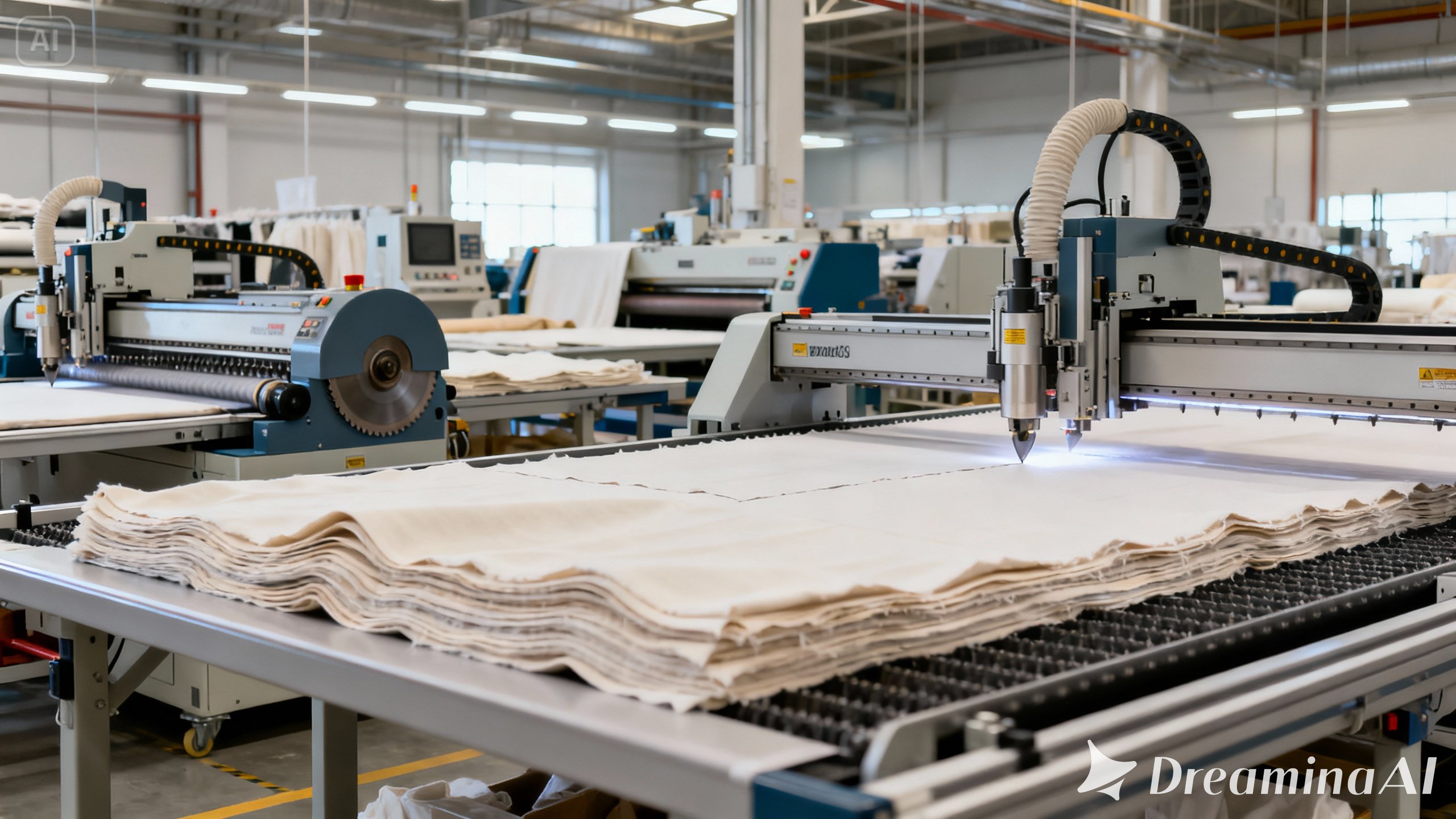
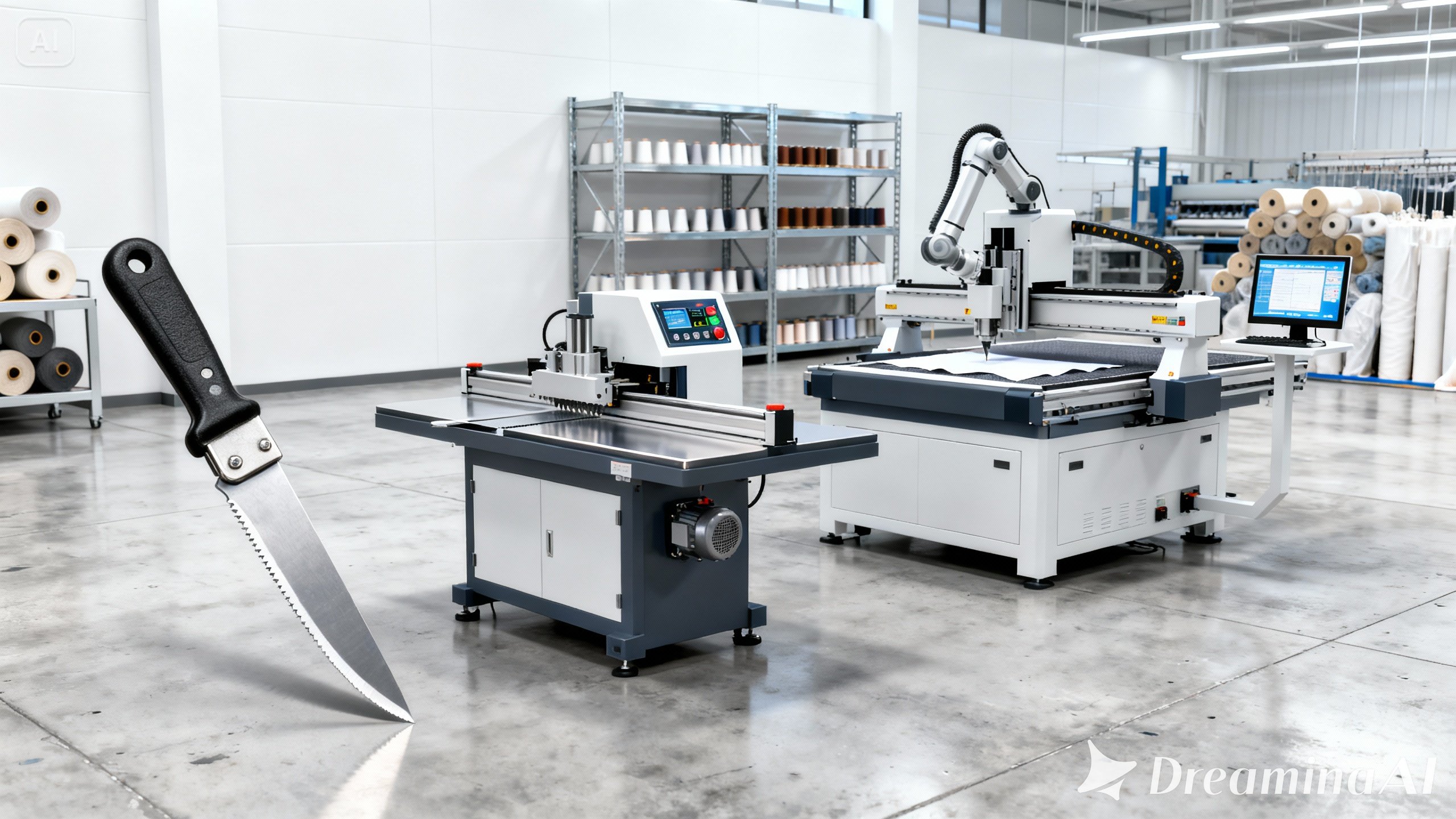
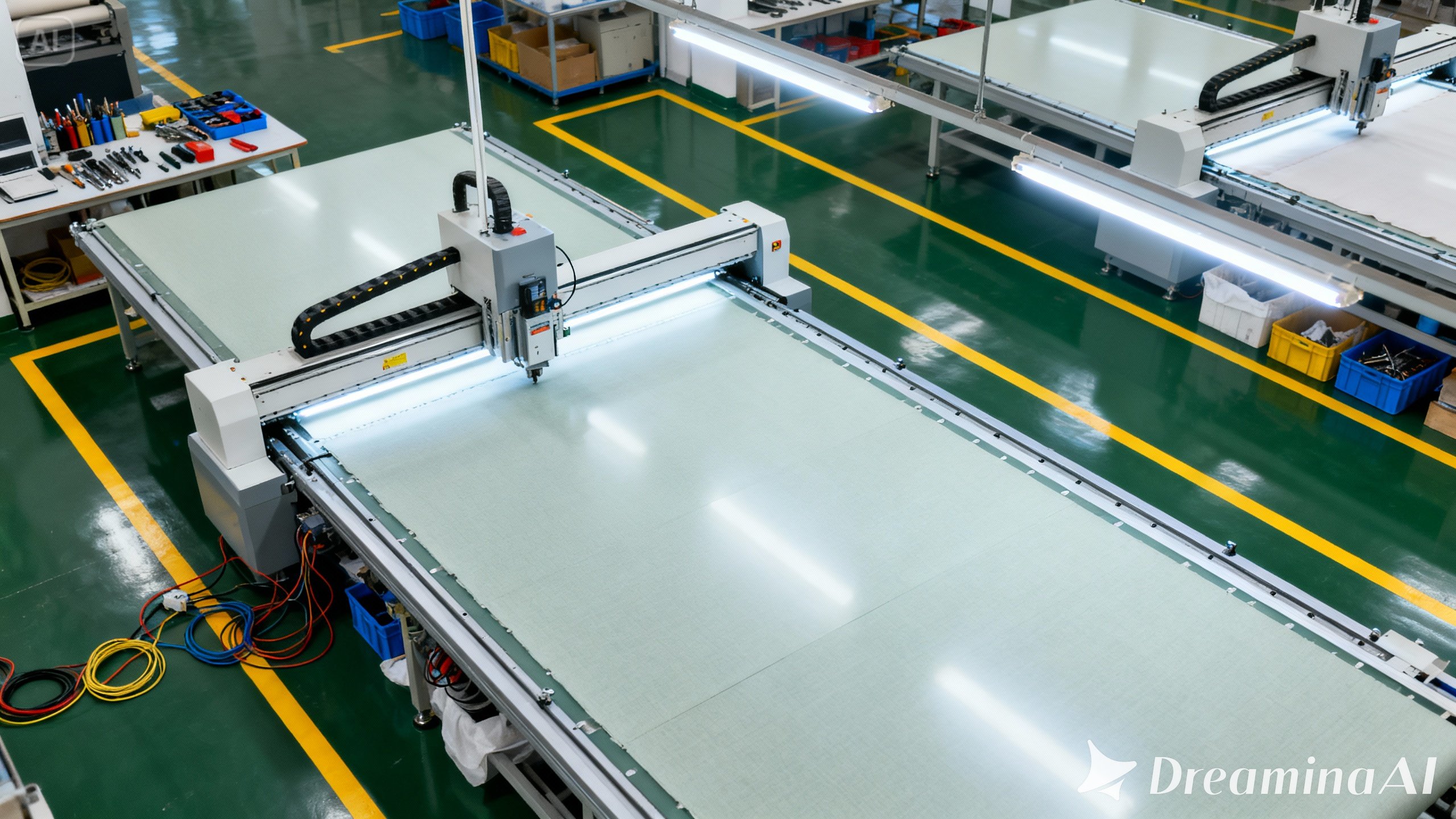
To begin with, the entire floor layout should be evaluated. The new machine’s dimensions, movement space, and material flow must be considered.
Furthermore, keep pathways clear for operators, fabric rolls, trolleys, and finished cut pieces. Doing so minimizes congestion and improves efficiency.
Additionally, ensure proper ventilation and lighting to maintain a safe working environment.
2. Power and Electrical Requirements Should Be Verified
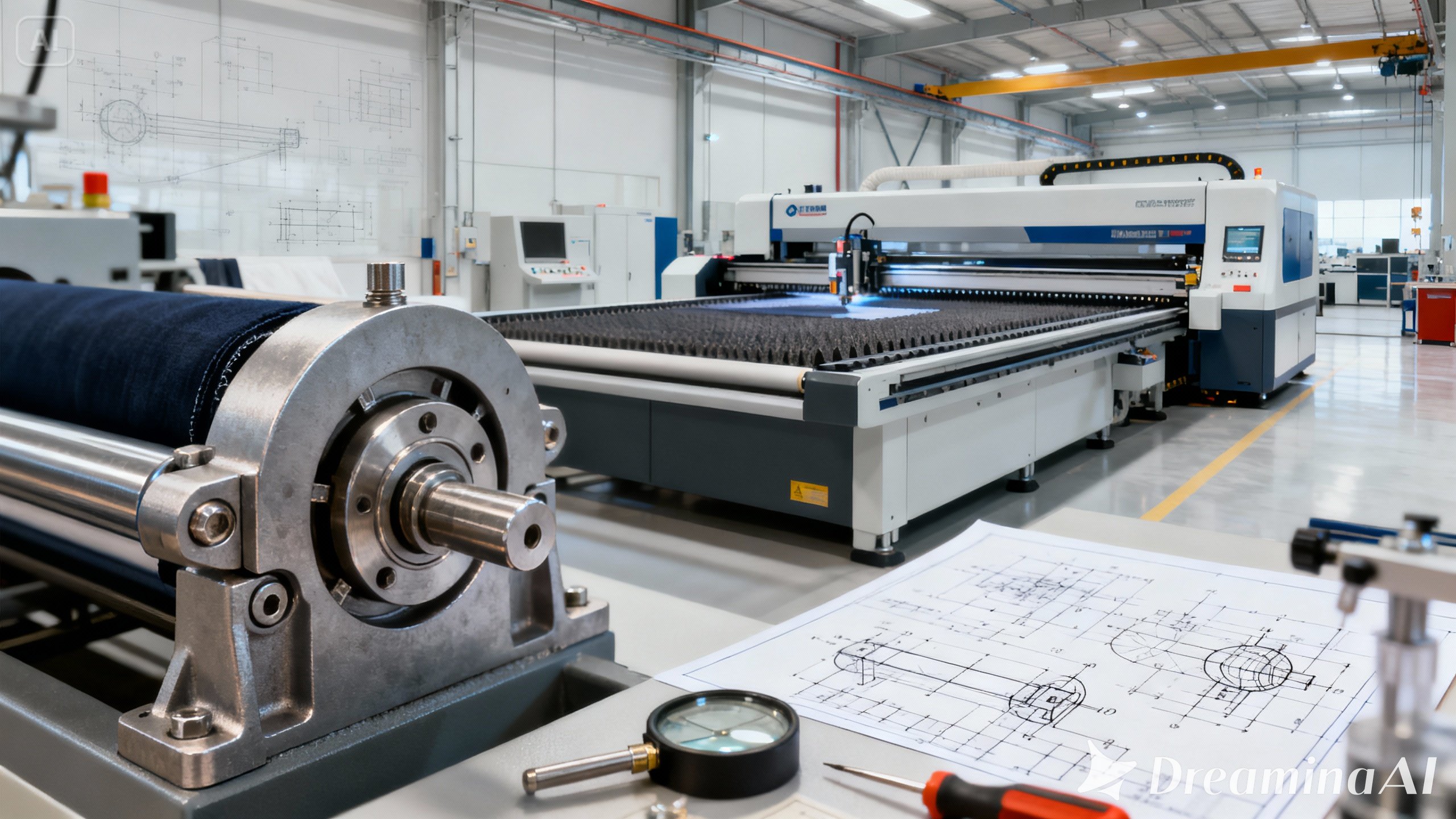
Next, a certified technician must check the machine’s electrical specifications in advance. They should arrange the voltage, load capacity, and dedicated breakers.
Moreover, you may need to use uninterrupted power supply (UPS) systems or stabilizers for sensitive electronics..
When you complete these steps beforehand, you avoid installation delays and ensure long-term machine stability.
3. Prepare the flooring, anchoring, and safety zones.
Inspect the flooring for strength, levelness, and durability before the machine arrives. Mark the anchoring positions clearly if you need to anchor.
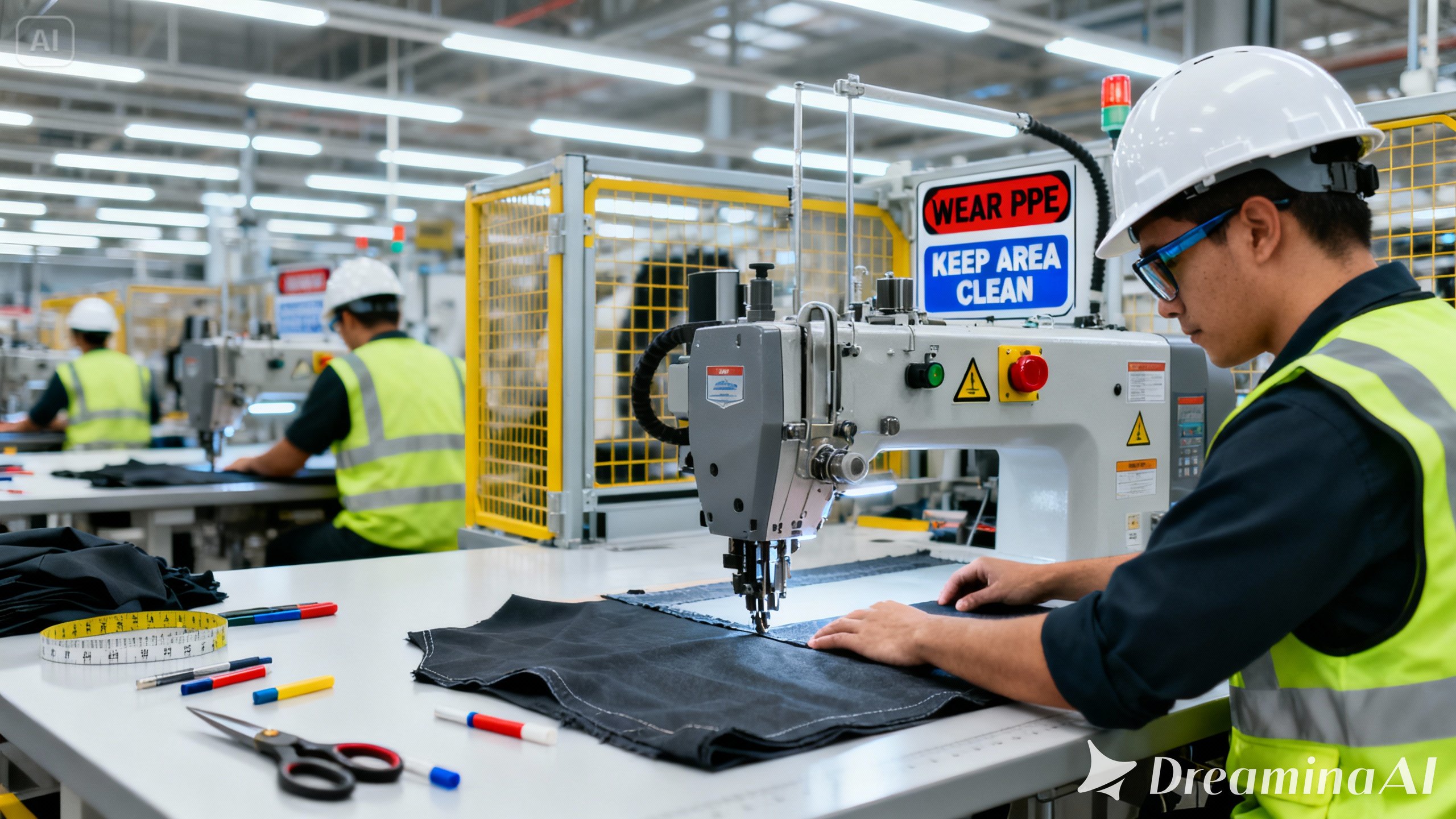
In addition, safety zones, warning markers, and emergency stop areas must be established.
This protection ensures that operators are safe and that safety standards are maintained.
4.Schedule operator training early.
Make training arrangements before installation day. Introduce operators to basic machine functions, safety protocols, and workflow changes.
Consequently, once the team installs the machine, they become ready to operate it confidently without unnecessary downtime.
5.Plan the integration with the existing workflow.
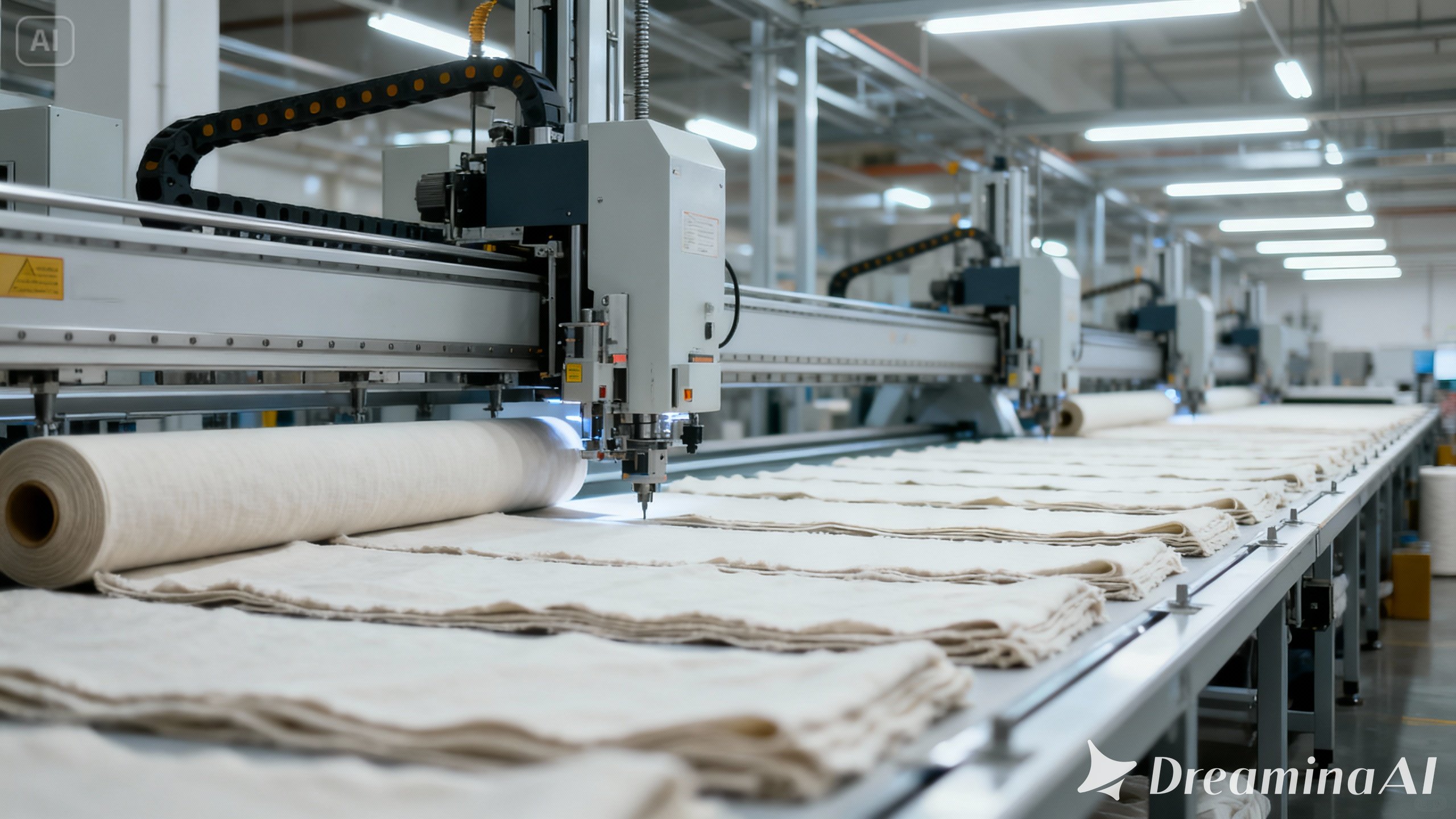
Finally, you must align the new cutting machine with the existing spreading tables, conveyors, storage areas, and quality-control stations.
Additionally, you should integrate software or digital systems beforehand to prevent workflow interruptions.
When you align all processes, you guarantee seamless production.
Conclusion
In summary, a new cutting machine installation becomes smooth and efficient when layout planning, power setup, safety preparation, operator training, and workflow integration are completed in advance.
With the right preparation, downtime is reduced, productivity is increased, and the machine delivers maximum value from day one.