Introduction
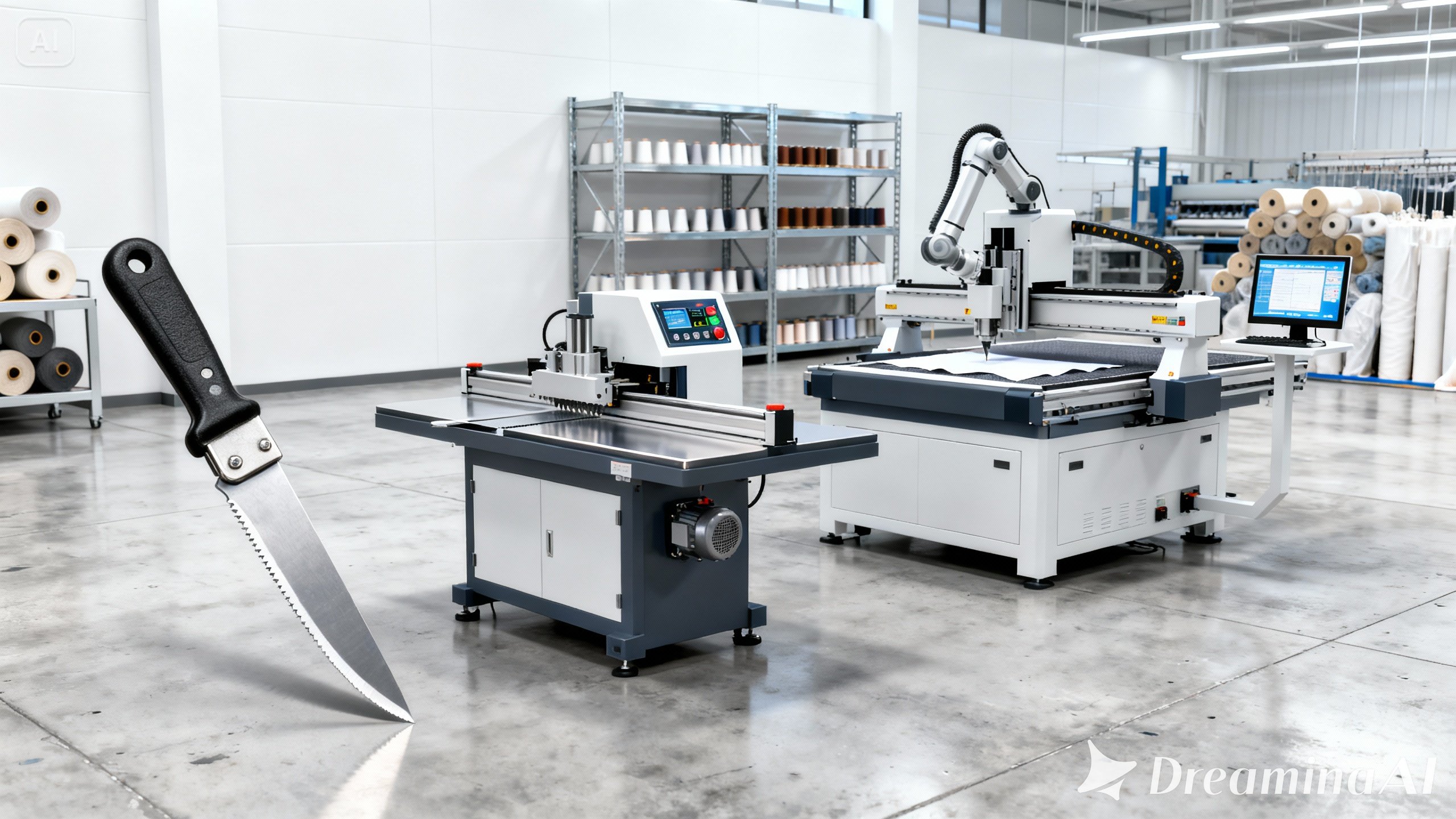
In textile and garment manufacturing, workers consider fabric cutting a crucial production stage. Therefore, manufacturers use different types of fabric cutting machines to meet varying production requirements. Moreover, each cutting machine is designed to support specific levels of accuracy, speed, and efficiency. Because of this, understanding these machines clearly helps in selecting the most suitable option.
This blog explains the most commonly used fabric cutting machines. Additionally, it outlines their basic functions and applications to improve product clarity.
Straight Knife Cutting Machines
Garment factories widely use straight knife cutting machines. In this method, workers cut fabric layers vertically with a straight blade. Therefore, they prefer this machine for cutting thick fabric layers.
Moreover, skilled operators achieve high cutting speeds. However, operator control greatly affects cutting accuracy. As a result, they maintain moderate precision compared to automated solutions.
Round Knife Cutting Machines
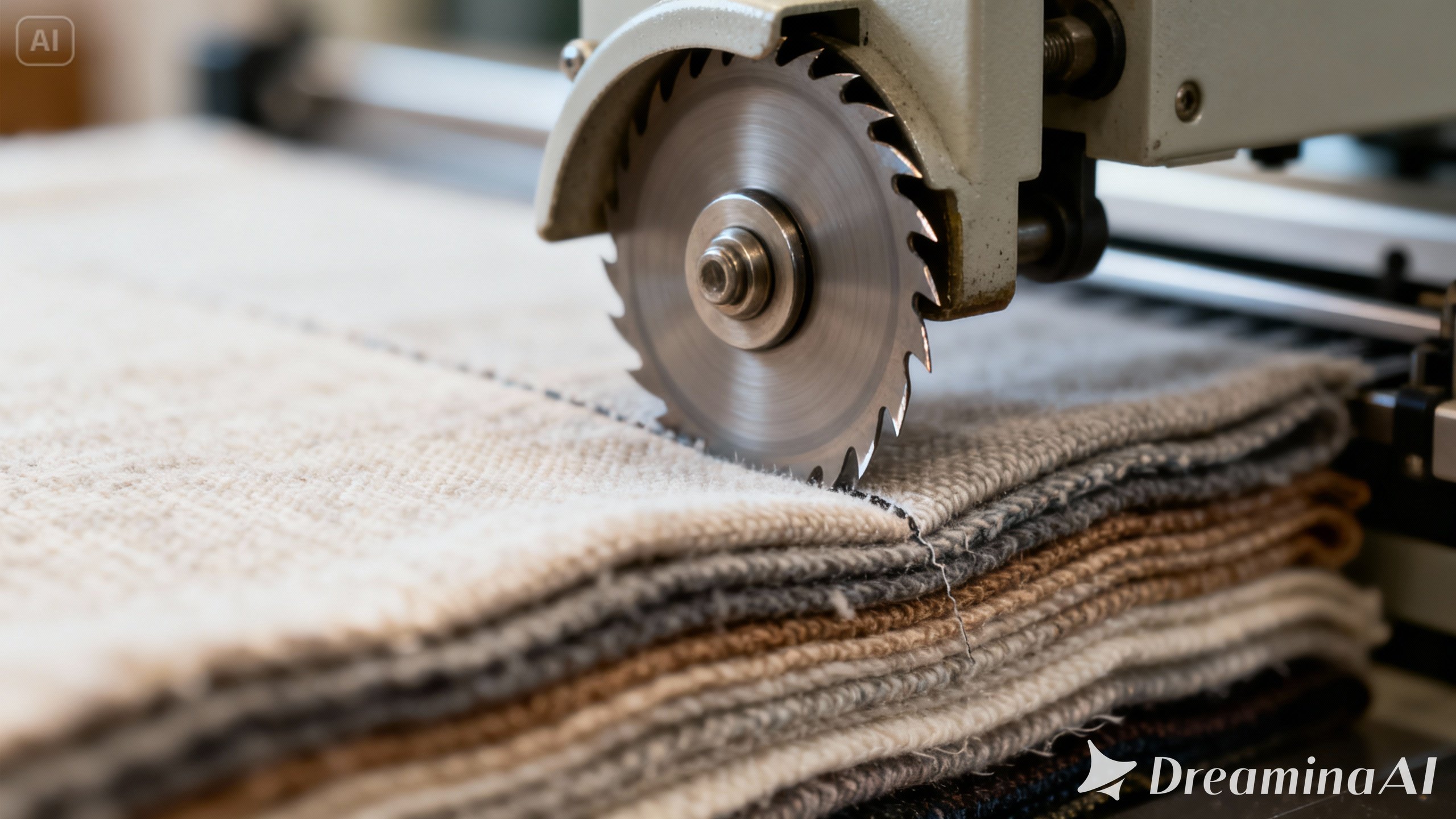
Round knife cutting machines are commonly used to cut light to medium fabrics. In this type, operators rotate a circular blade continuously during the cutting process. As a result, they produce smoother cuts on softer fabrics.
Furthermore, users can achieve greater flexibility when creating curved and detailed cutting patterns. However, the machine does not handle thicker fabric layers efficiently. Therefore, users should limit its use to specific applications.
Band Knife Cutting Machines
Band knife cutting machines are used when operators require high precision. In this machine, they mount a continuous blade vertically and operate it at a fixed position. As a result, they achieve detailed and accurate cuts.
Additionally, this cutting method easily handles complex shapes. Therefore, operators maintain higher consistency across repeated cutting tasks.
Die Cutting Machines
Die cutting machines facilitate the mass production of identical fabric shapes. In this process, operators use a pre-shaped metal die to cut the fabric. Consequently, they ensure uniform cutting results.
Moreover, manufacturers significantly increase production speed. However, creating new dies reduces flexibility because they must develop a new die for each design. Therefore, this machine is best suited for large-volume production.
Automated Fabric Cutting Machines
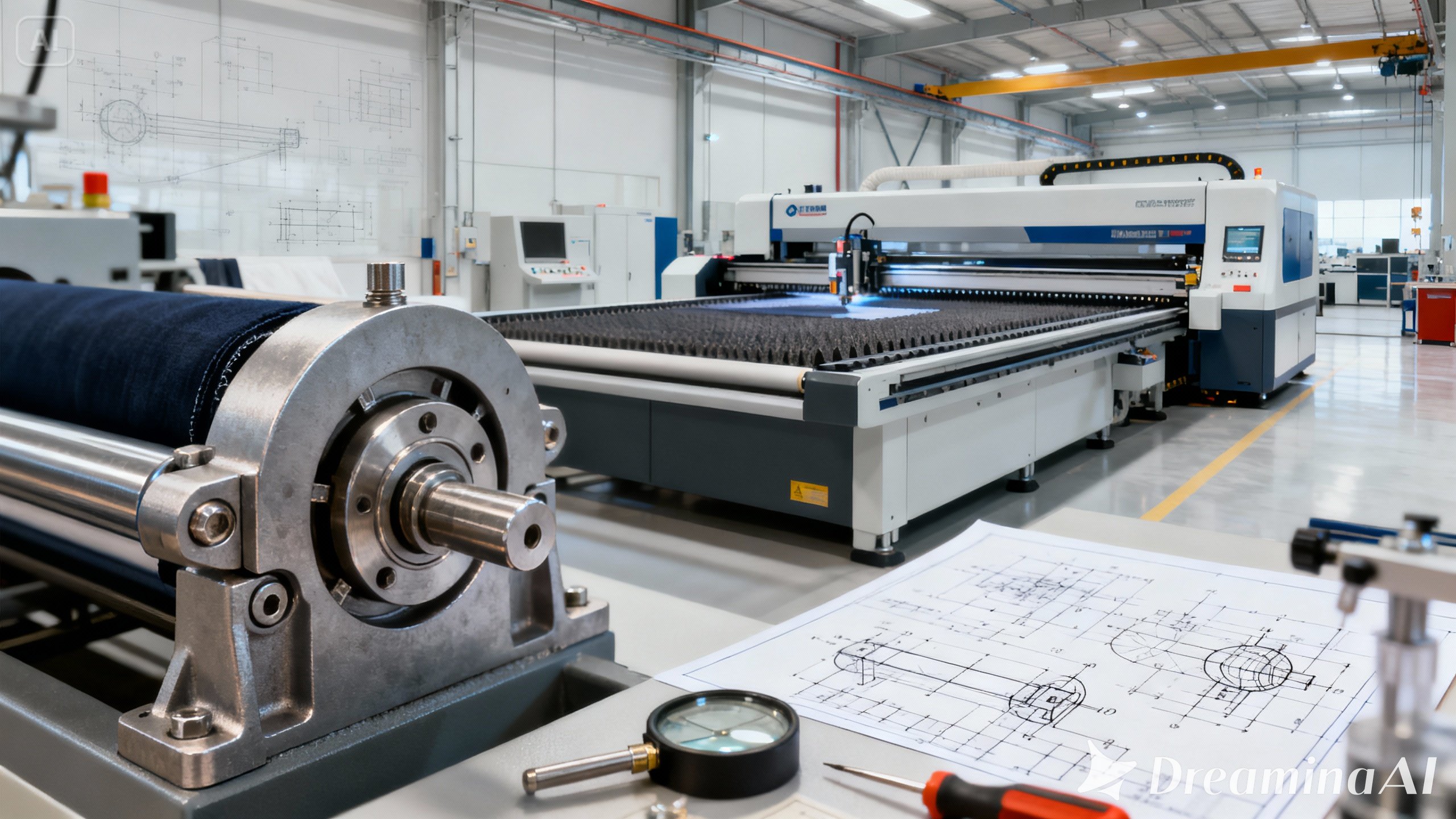
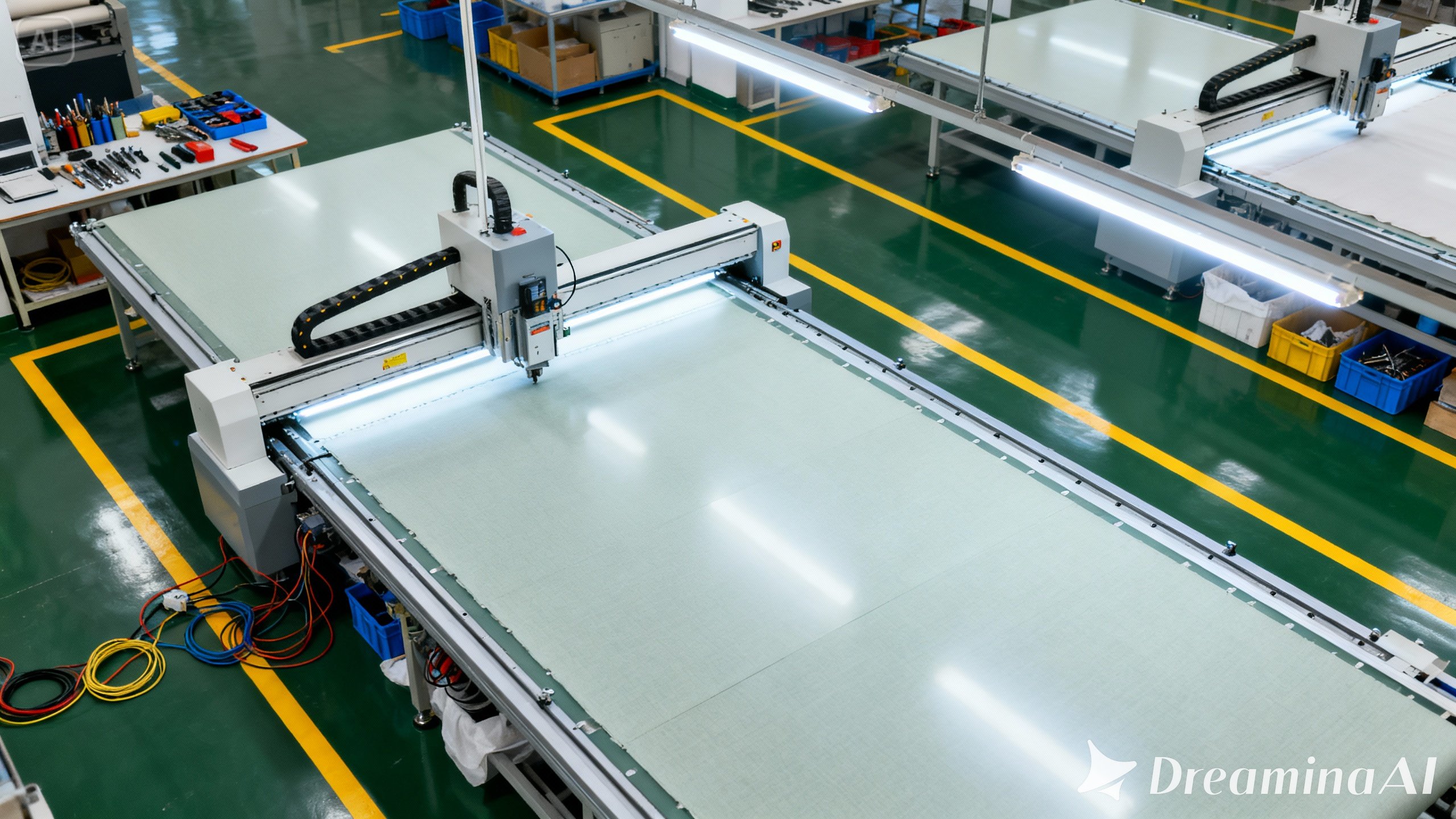
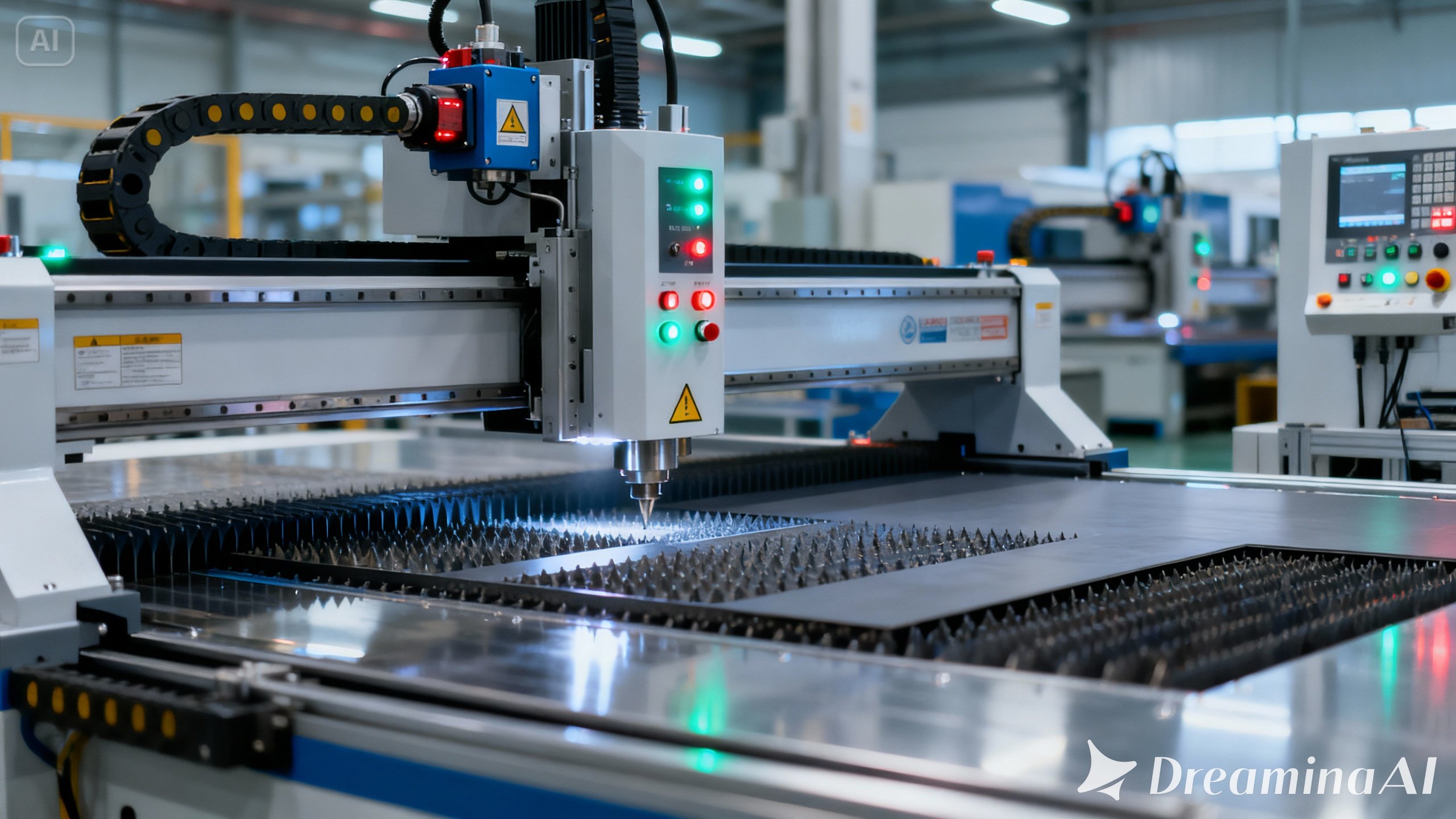
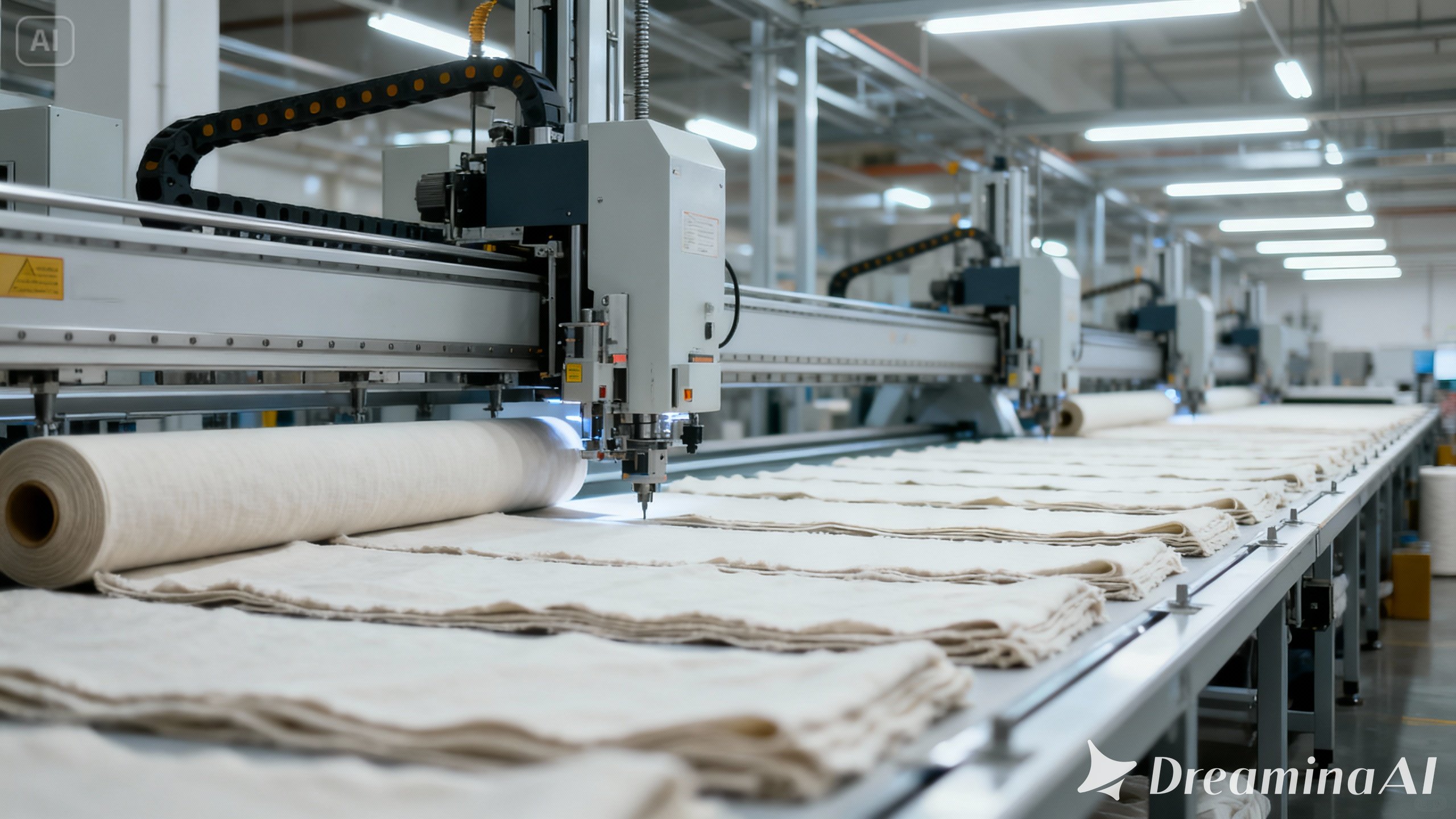
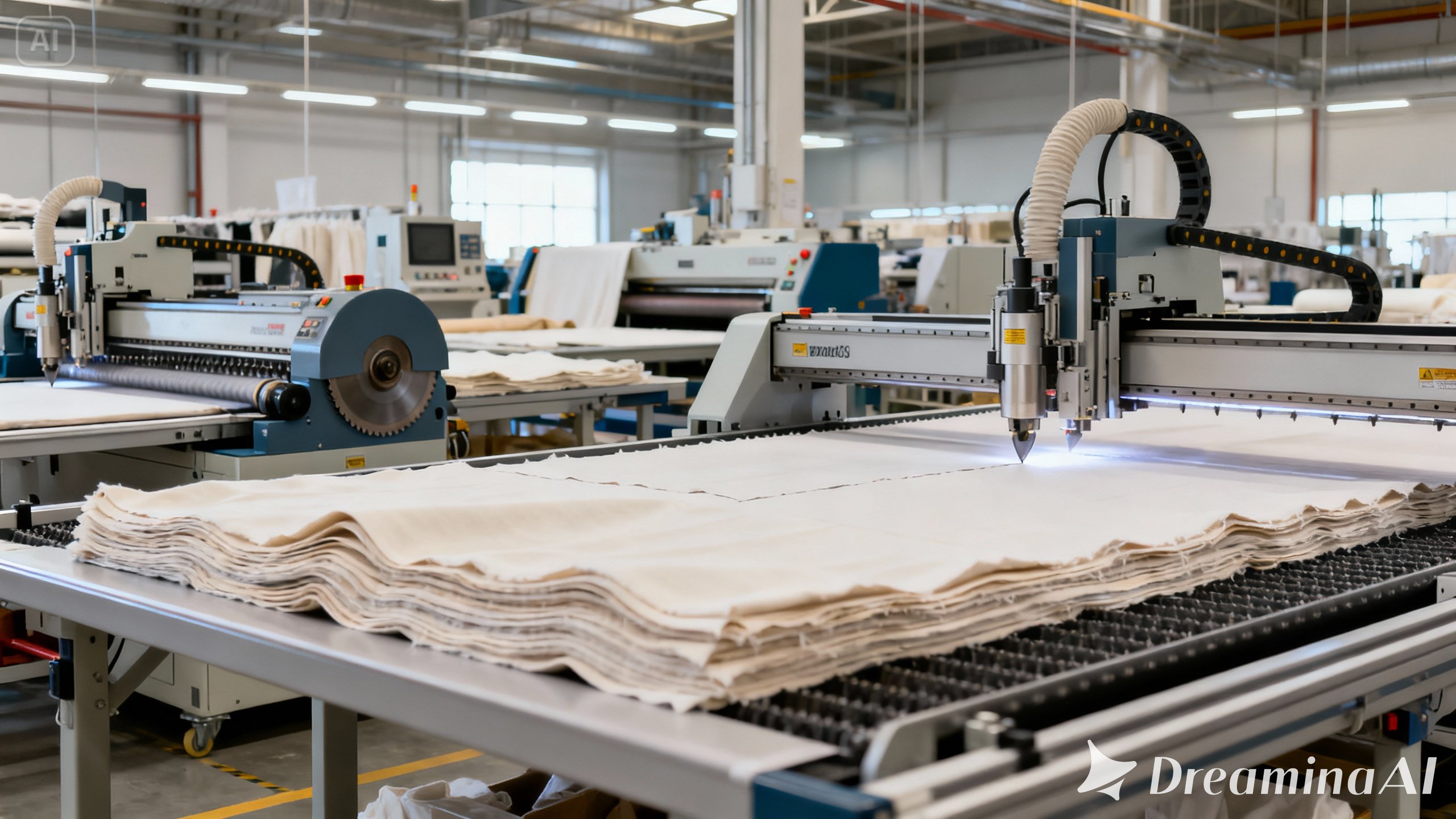
Manufacturers control automated fabric cutting machines through computer software. In this method, they digitally program the cutting patterns before starting the cutting process. As a result, they achieve high accuracy and consistency.
Furthermore, workers cut multiple fabric layers simultaneously with minimal human involvement. This approach reduces fabric waste and increases production efficiency. As a result, modern textile factories widely adopt automated cutting machines.
Conclusion
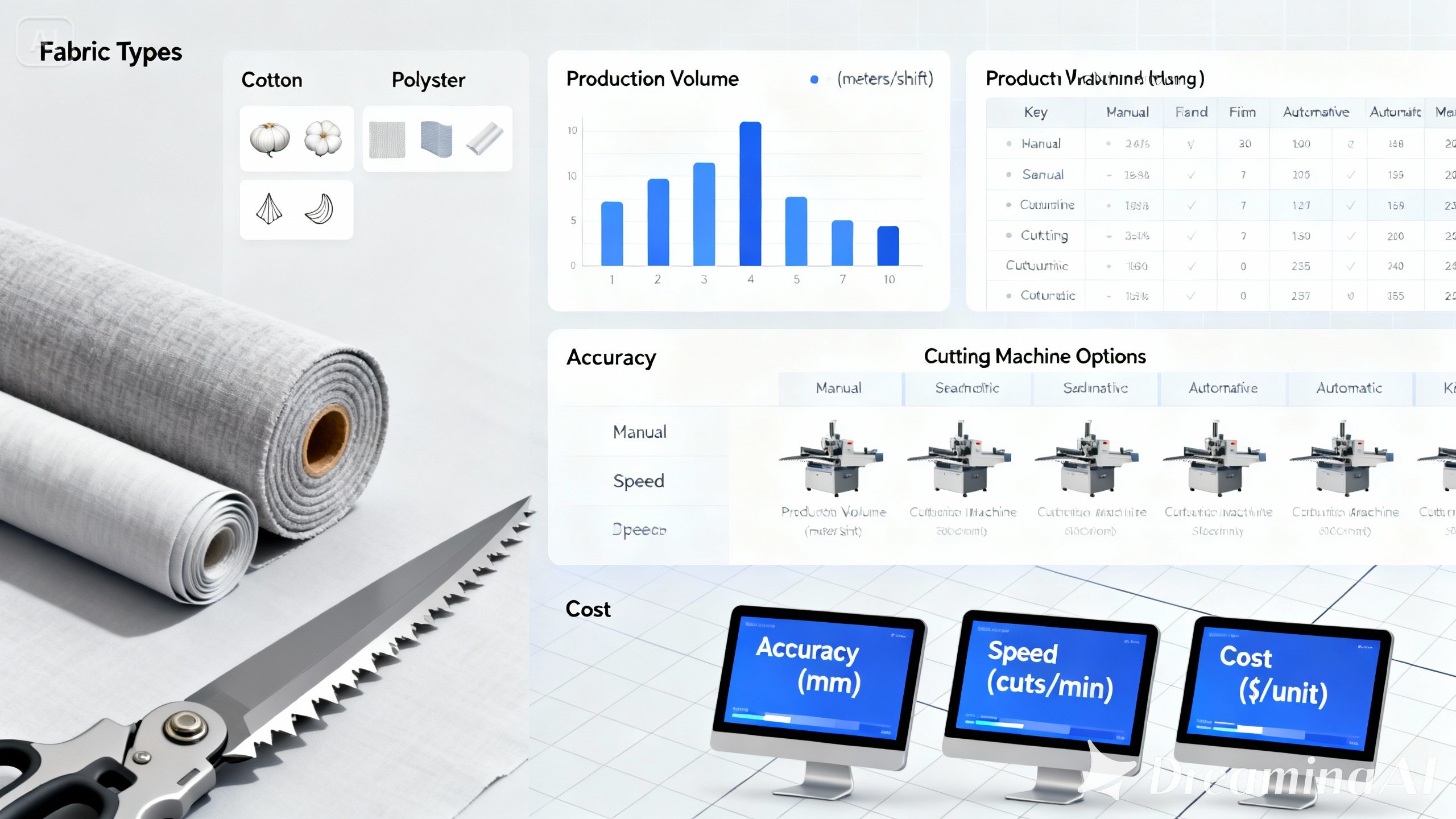
In conclusion, people use different types of fabric cutting machines based on production volume, fabric type, and accuracy requirements. While they still apply manual cutting machines in small-scale operations, they increasingly prefer automated cutting machines. Therefore, they should carefully evaluate production needs to select the appropriate machine.
Talk to an expert today to choose the right fabric cutting machine for your production requirements.