Meta Description
Learn how to choose the right fabric cutting machine for your factory by evaluating fabric type, production volume, accuracy needs, and long-term costs.
Introduction
In textile and garment manufacturing, choosing a cutting machine is a critical business decision. This choice directly influences production efficiency, fabric quality, and operational costs. Moreover, selecting the wrong machine often leads to productivity challenges. Therefore, we need clear guidance before making a final decision.
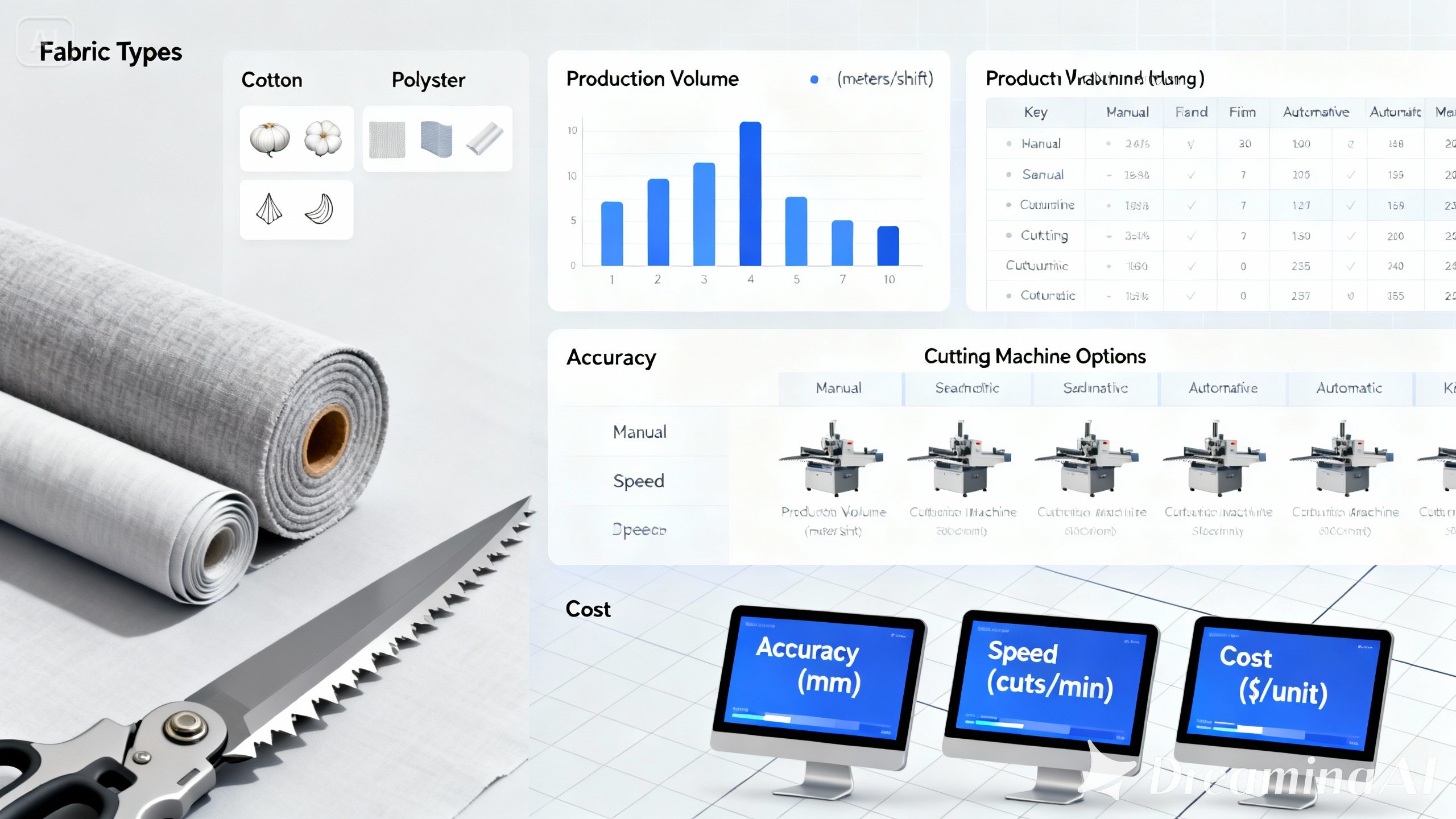
In this blog, we explain four important decision-making questions. Consequently, we support buyers in selecting the most suitable cutting machine for their production needs.
What Type of Fabric Will Be Cut?
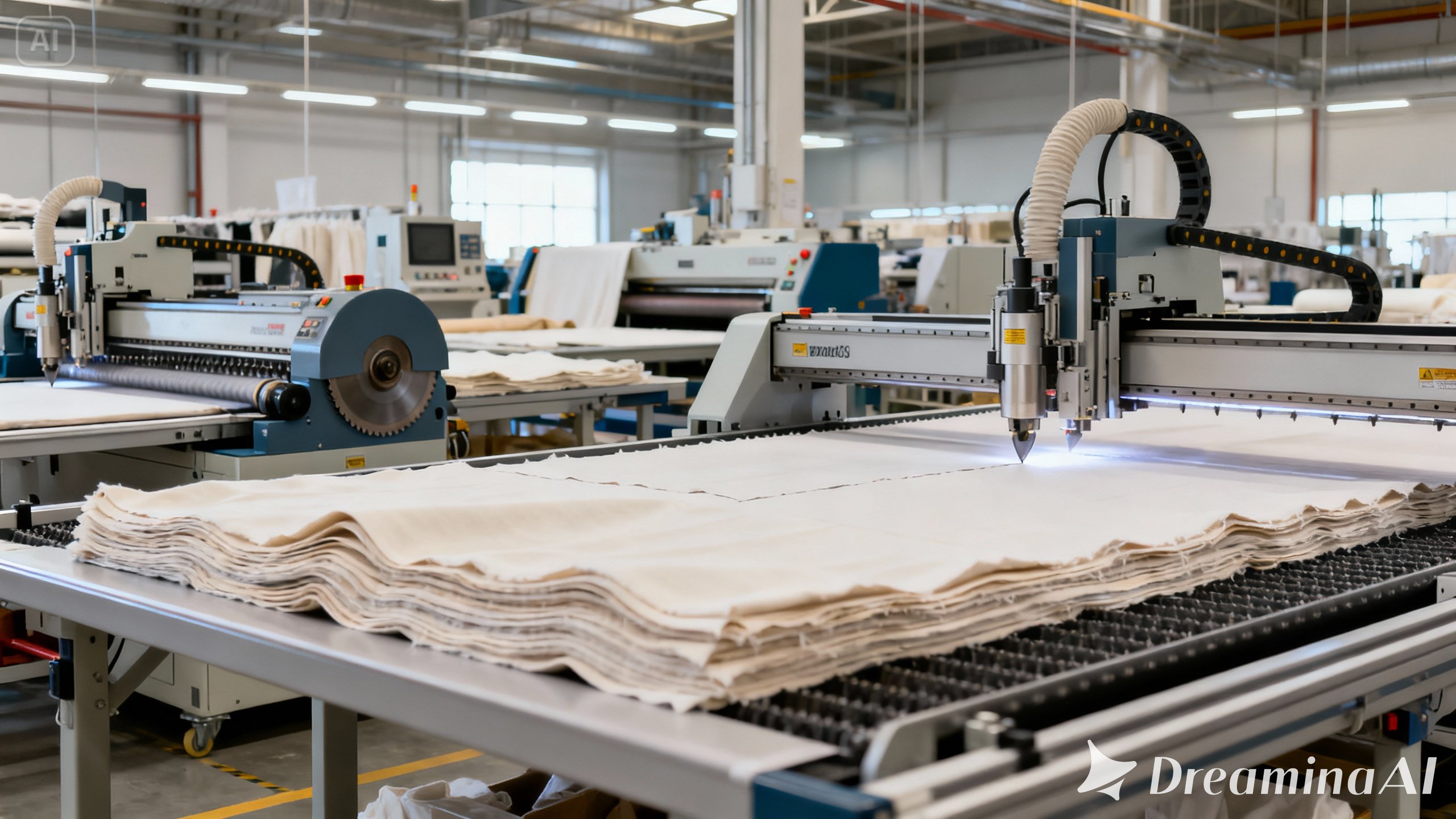
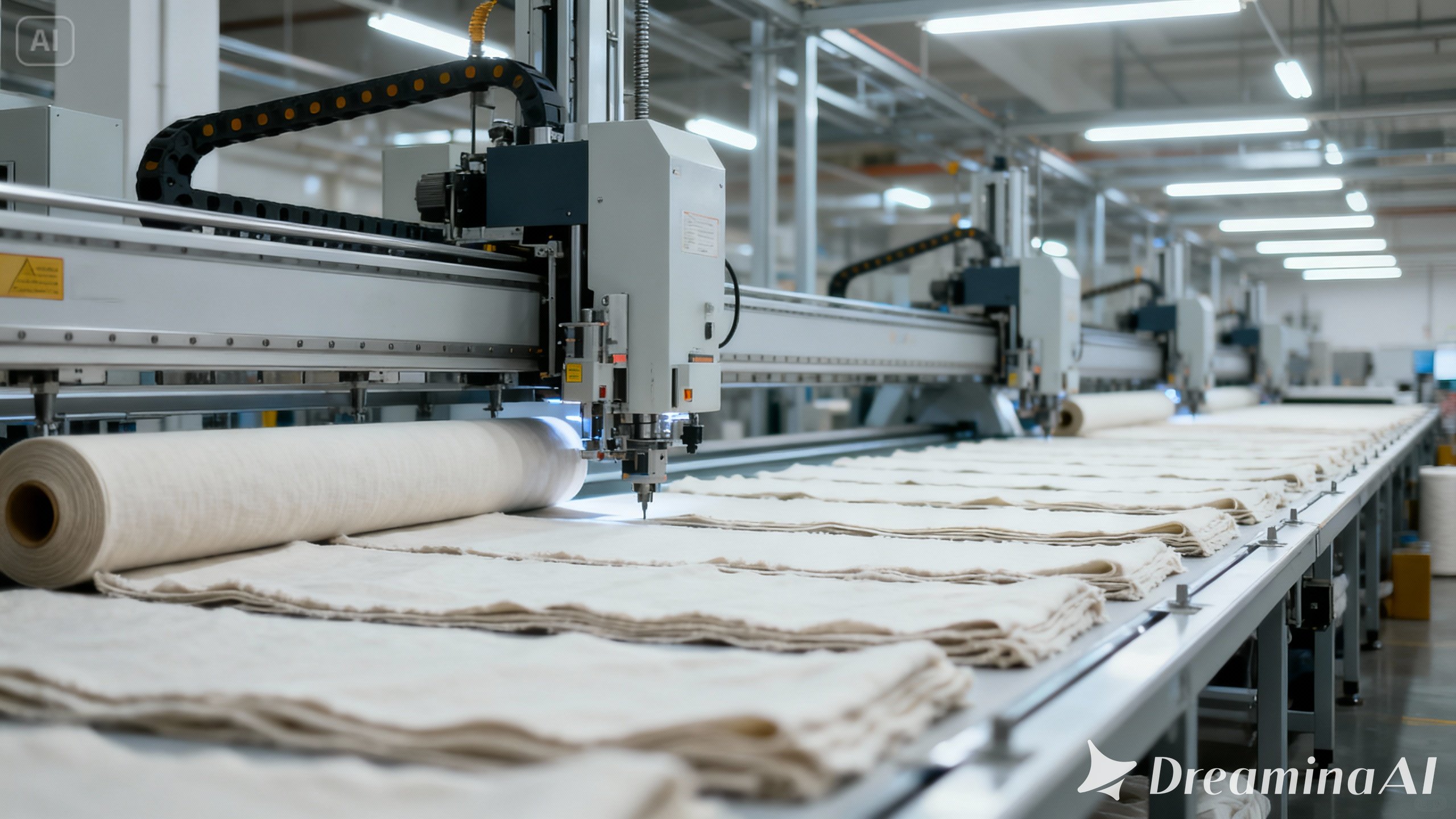
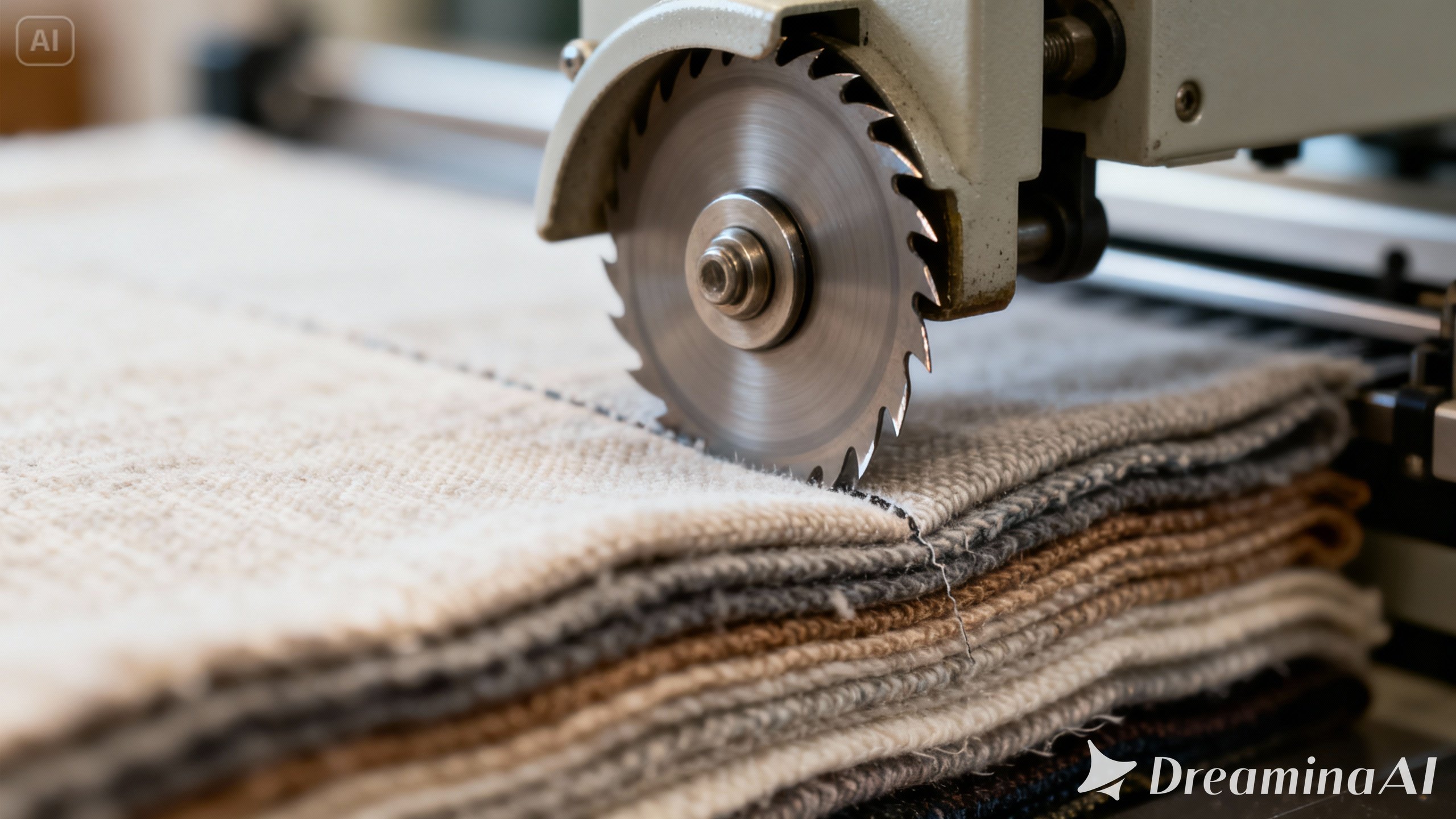
First, you need to carefully evaluate the type of fabric you will process. Different fabrics require different cutting methods. Therefore, consider lightweight fabrics, heavy materials, and layered textiles separately.
Moreover, fabric thickness and texture affect cutting accuracy. Therefore, always confirm that the machine is compatible with the fabric type before making a selection.
2. “What Production Volume Is Required?”
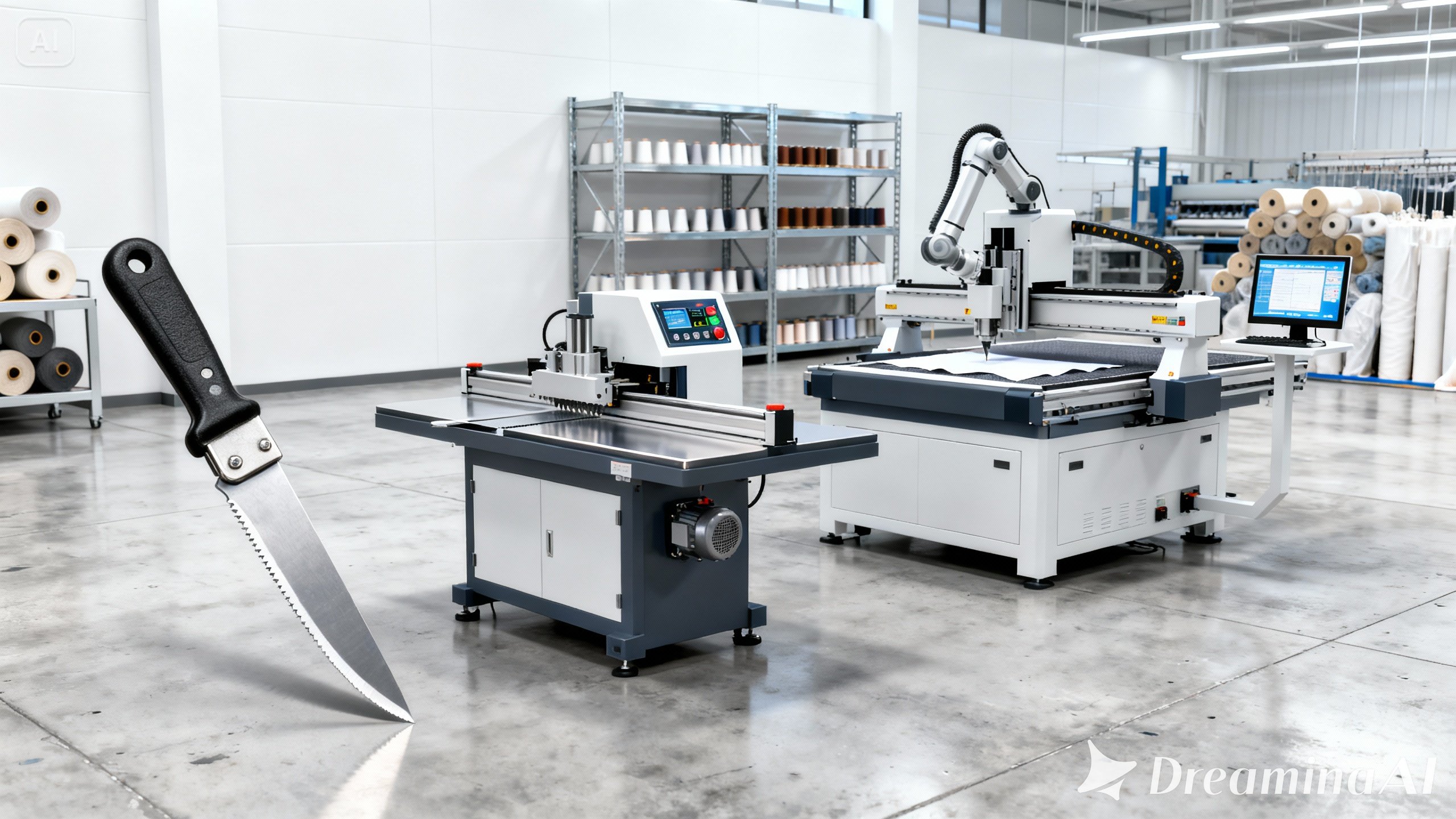
Secondly, you must assess production volume accurately. For small-scale operations, manual or semi-automatic machines may suffice. However, for large-scale production, it is generally preferable to use automated cutting systems.
Furthermore, higher production demands require faster cutting speeds. Therefore, you should align machine capacity with daily output requirements to prevent future limitations.
3. How Important Is Cutting Accuracy and Consistency?
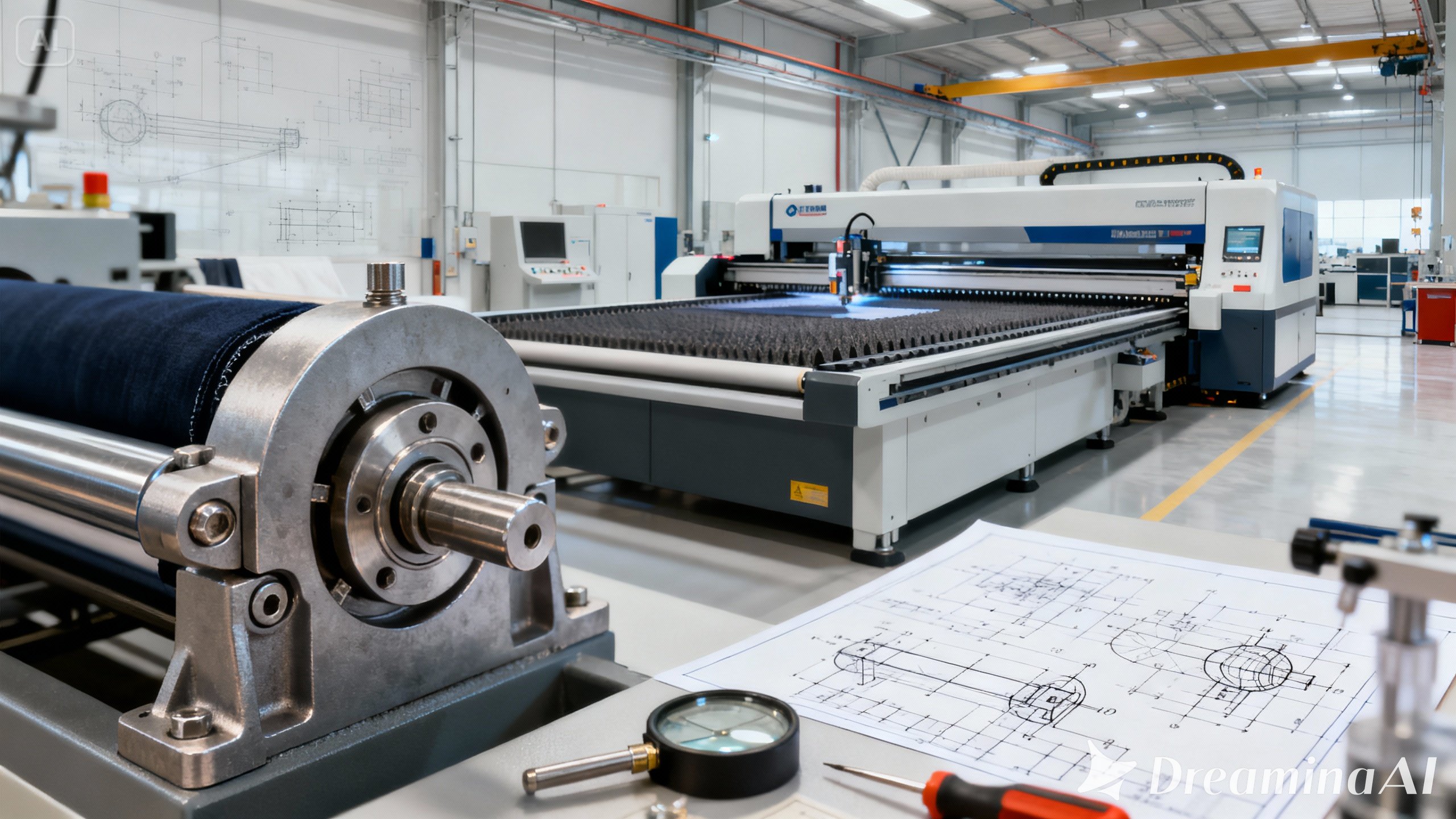
Thirdly, the required level of cutting accuracy should be clearly defined. In garment manufacturing, precise cutting is essential to maintain quality standards. Consequently, inconsistent cuts may lead to fabric waste and fitting issues.
Moreover, automated cutting machines are designed to deliver consistent precision. As a result, they maintain higher product quality across repeated production cycles.
4. What Budget and Long-Term Costs Can Be Managed?
Finally, you must carefully analyze budget considerations. While manual machines require a lower initial investment, higher labor costs may accrue over time. Therefore, you should evaluate long-term operational expenses.
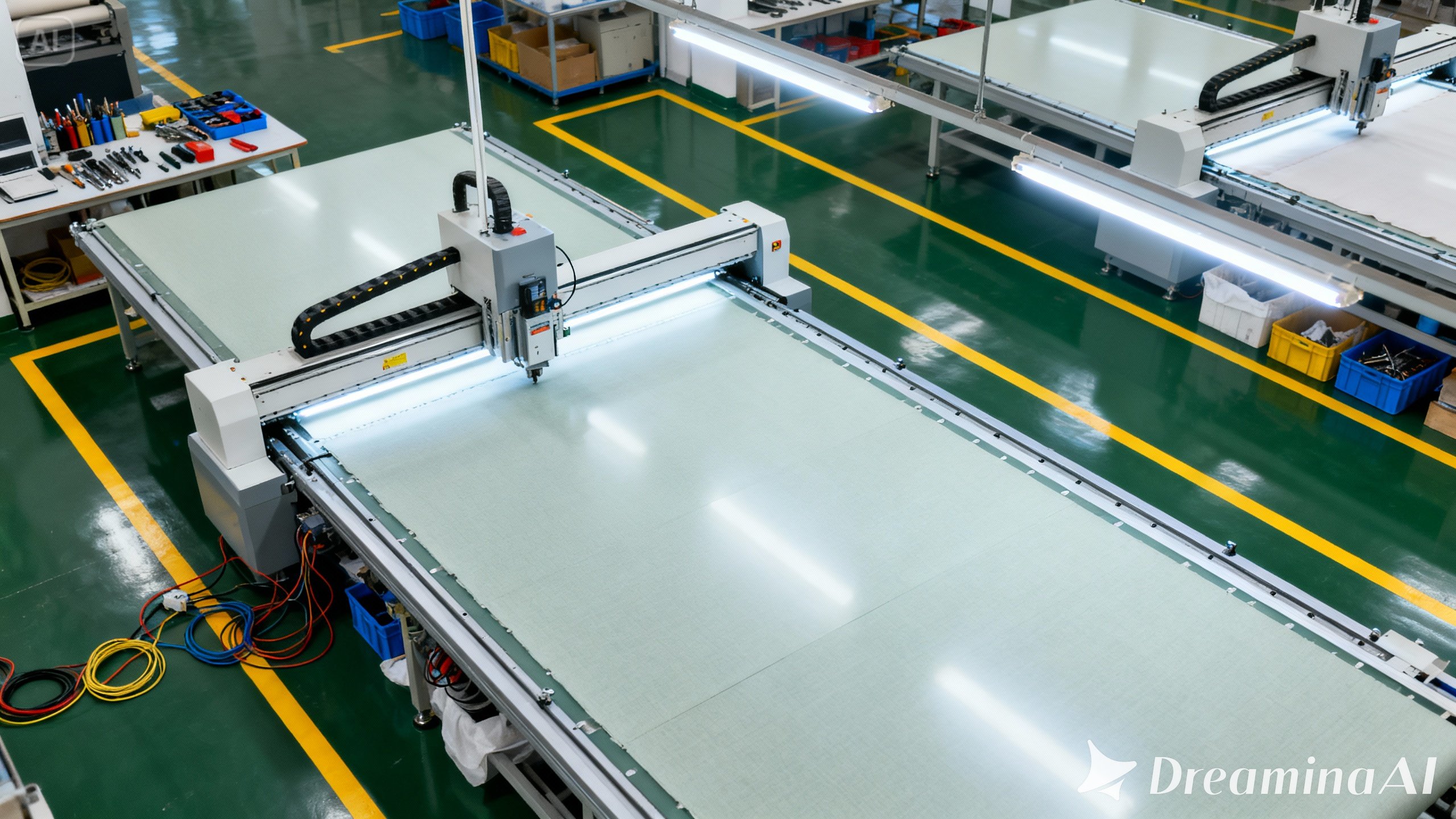
In contrast, automated cutting machines involve higher upfront costs. However, they reduce waste, lower labor dependency, and increase efficiency. Consequently, they often lead to long-term cost savings.
Conclusion
In conclusion, you should choose the right cutting machine by properly evaluating fabric type, production volume, accuracy requirements, and budget limitations. Therefore, you must make a balanced decision based on both current and future production needs. As a result, you can improve operational efficiency and minimize production challenges.