Meta Description
Learn how to choose the right cutting machine for small, medium, and large scale production. A complete guide to match your manufacturing needs with precision.
Introduction
Selecting the right cutting machine has always been one of the most important decisions in garment manufacturing. Because each production scale has different needs, manufacturers should choose a machine carefully to achieve maximum efficiency, accuracy, and cost savings. Therefore, we prepared this guide to help manufacturers match the correct cutting machine to their specific production size small, medium, or large.
1. Understanding Why Machine Selection Matters
In every factory, cutting is considered the foundation of garment production. When workers use the wrong machine, they increase fabric waste, reduce productivity, and create unnecessary costs.
However, when you select the right equipment, you improve output, meet timelines more easily, and maintain consistent quality.
Therefore, you must always evaluate the production scale clearly before purchasing any cutting machine.
2. Cutting Machine Requirements for Small-Scale Manufacturers
Small workshops or startup garment units often work with limited space, low volume, and mixed product variety.
Because of this, experts usually recommend lighter and more flexible cutting solutions.
Ideal Machines for Small Scale
- You should prefer manual straight knife cutters when budget limitations exist, and you keep cutting volumes low.
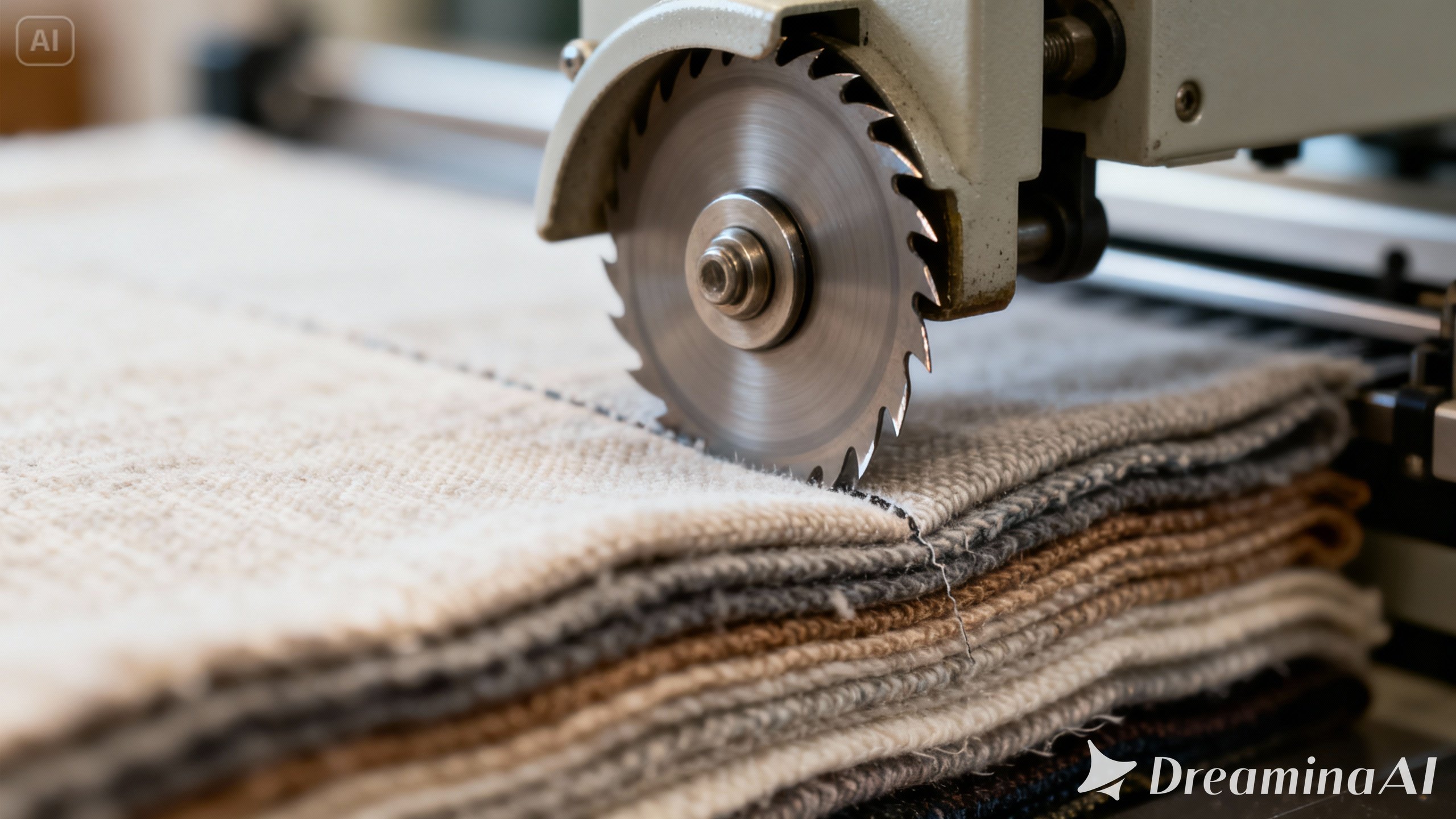
- Round Knife Machines These are useful for small batches, quick changes, and multi fabric operations.
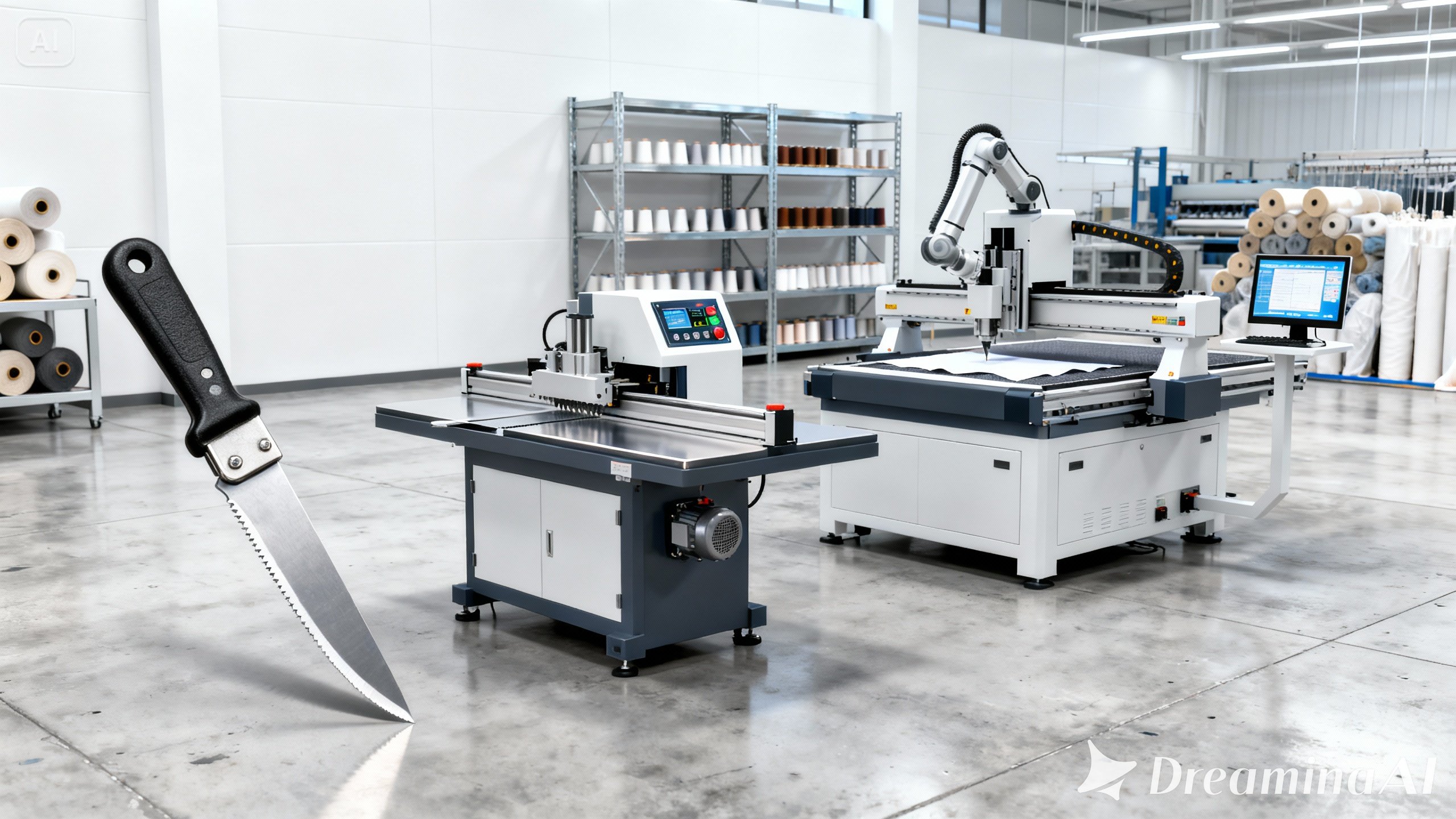
- You can adopt small CNC cutting machines compact automated cutters when you prioritize accuracy.
Since small-scale setups usually require lower initial investments, people generally choose machines that have simple maintenance and are easy to operate.
3. Cutting Machine Recommendations for Medium-Scale Production
As production begins to expand, accuracy and speed become increasingly important. Therefore, users require machines that can handle larger fabric lays and operate continuously.
Ideal Machines for Medium Scale
- Straight Knife Machines With Advanced Safety Features
- Band Knife Machines for Complex Curve Cutting
- Semi-Automatic Cutting Machines
In medium-scale factories, they gradually introduce automation to improve consistency and reduce operator dependency.
Additionally, using automated marker planning helps minimize fabric waste.
4. High-Volume Cutting Machines for Large Manufacturers
Large manufacturers typically work with strict deadlines, massive order quantities, and long shifts.
As a result, companies require advanced automated systems to maintain quality while meeting production targets.
Ideal Machines for Large Scale
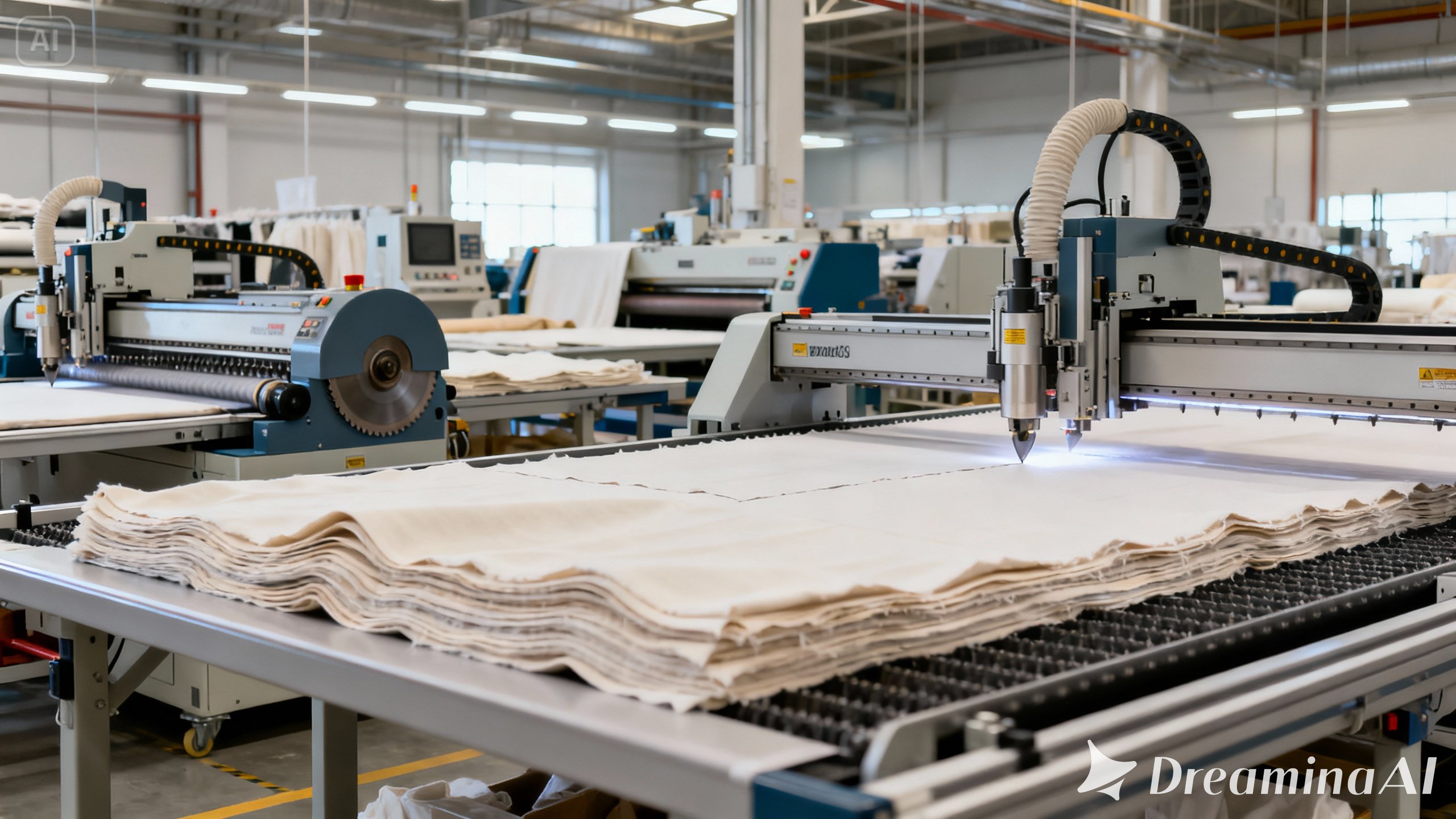
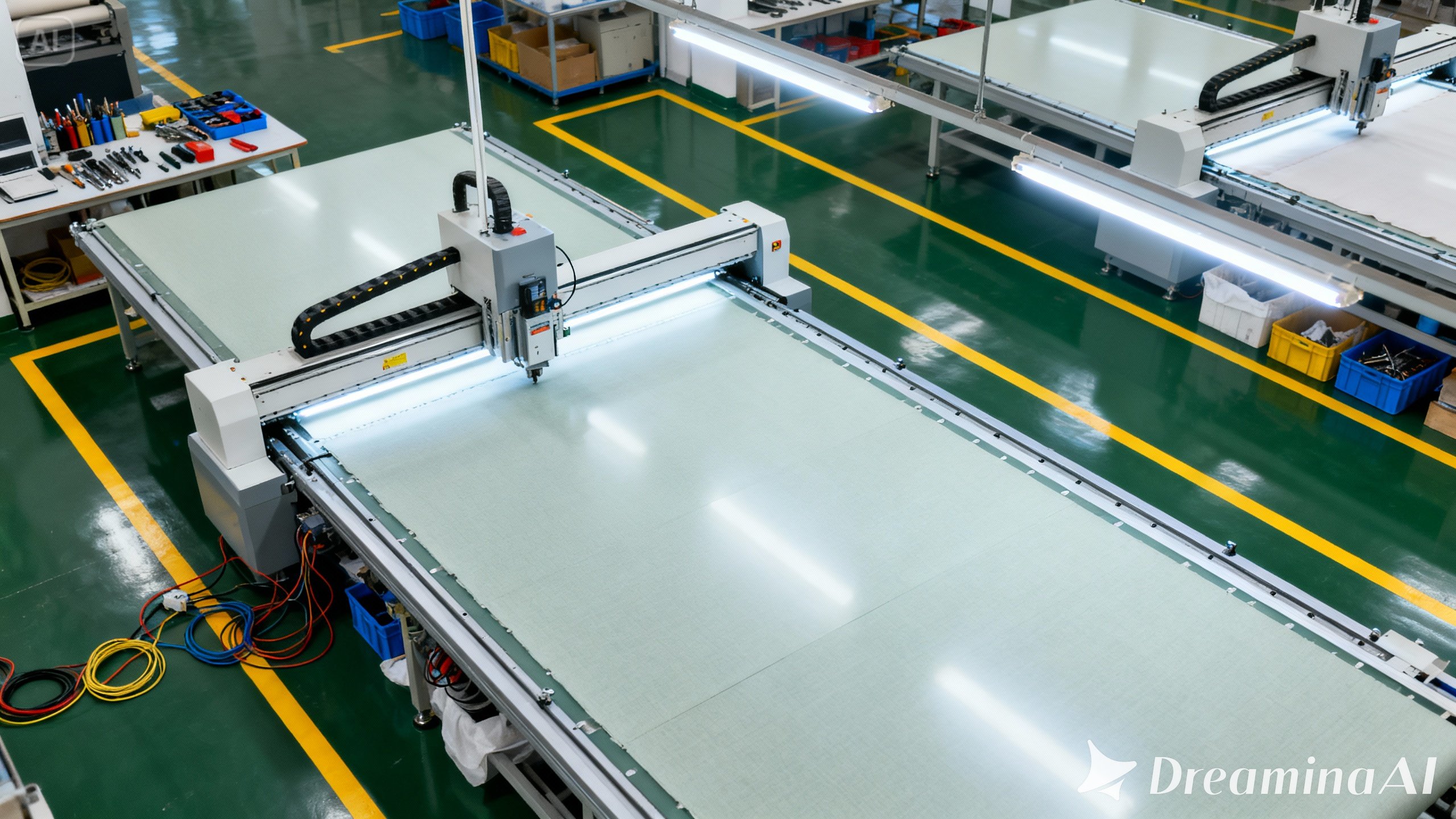
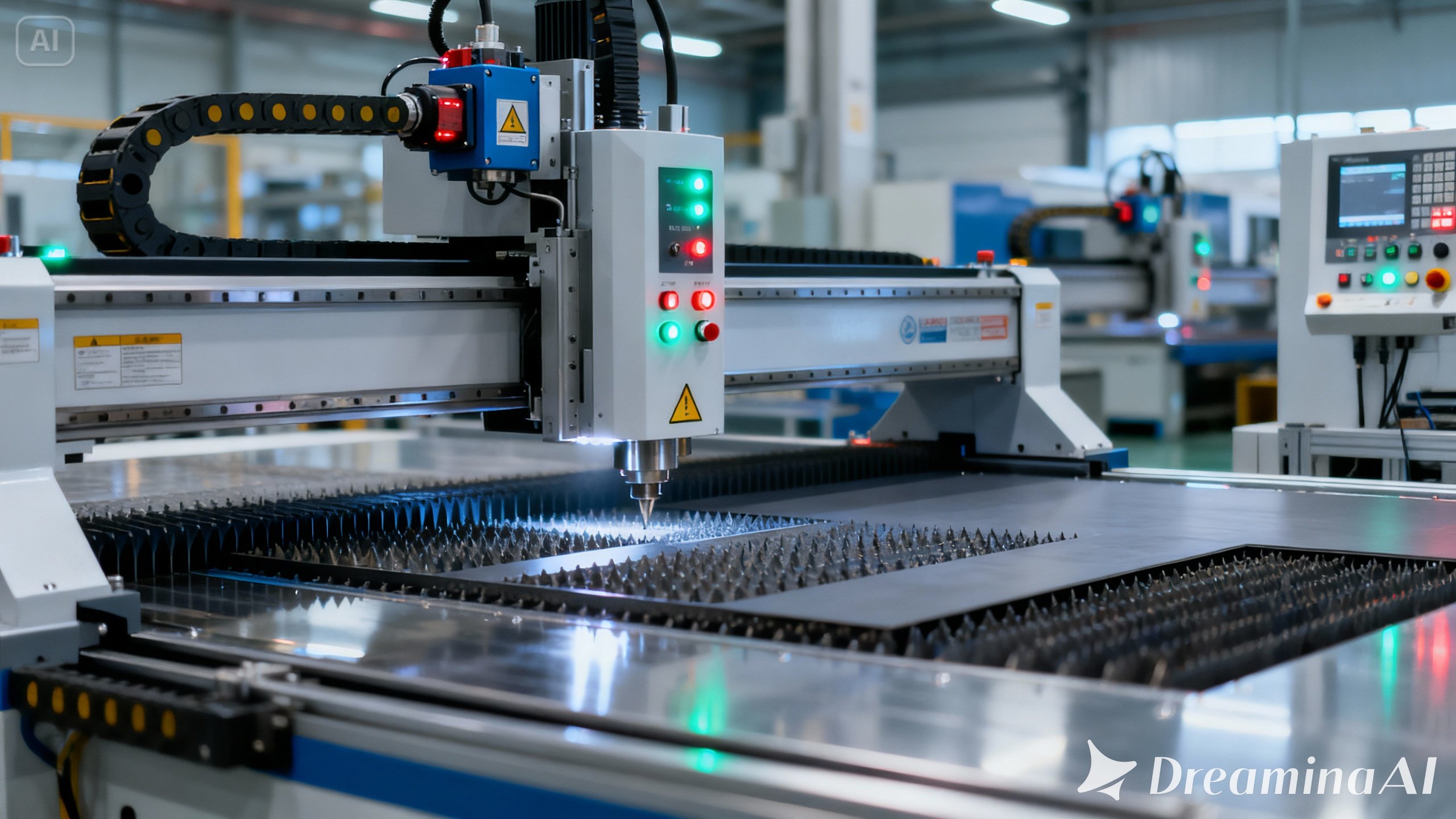
- Fully Automated CNC Cutting Systems
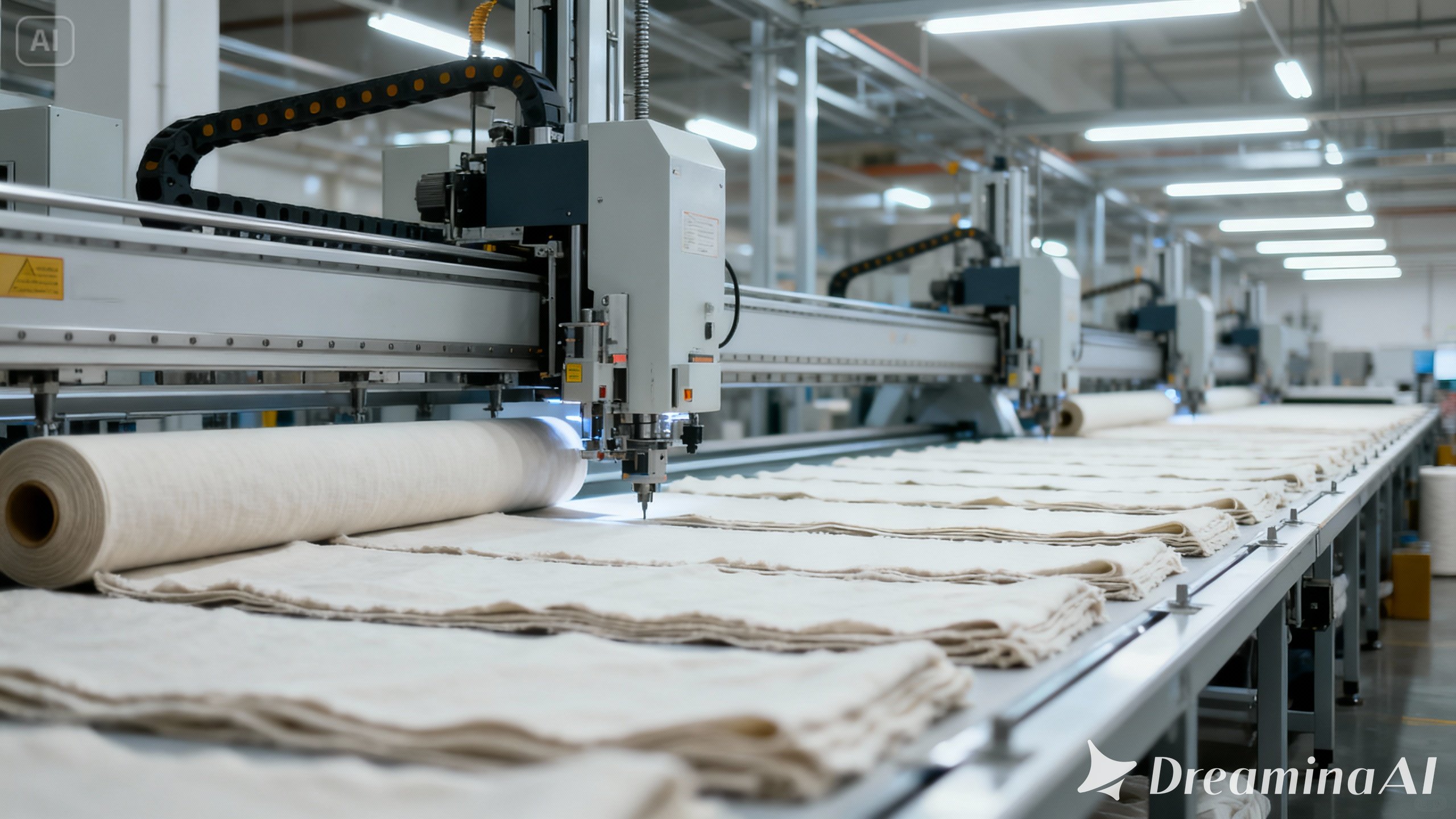
- Multi-Layer Automatic Fabric Spreaders
- High-Speed Laser Cutting Machines
Because operators control these machines with software, they deliver greater precision, and they significantly reduce error rates.
Moreover, continuous production becomes possible without major interruptions, and they minimize labor costs.
5. Factors That Should Always Be Considered
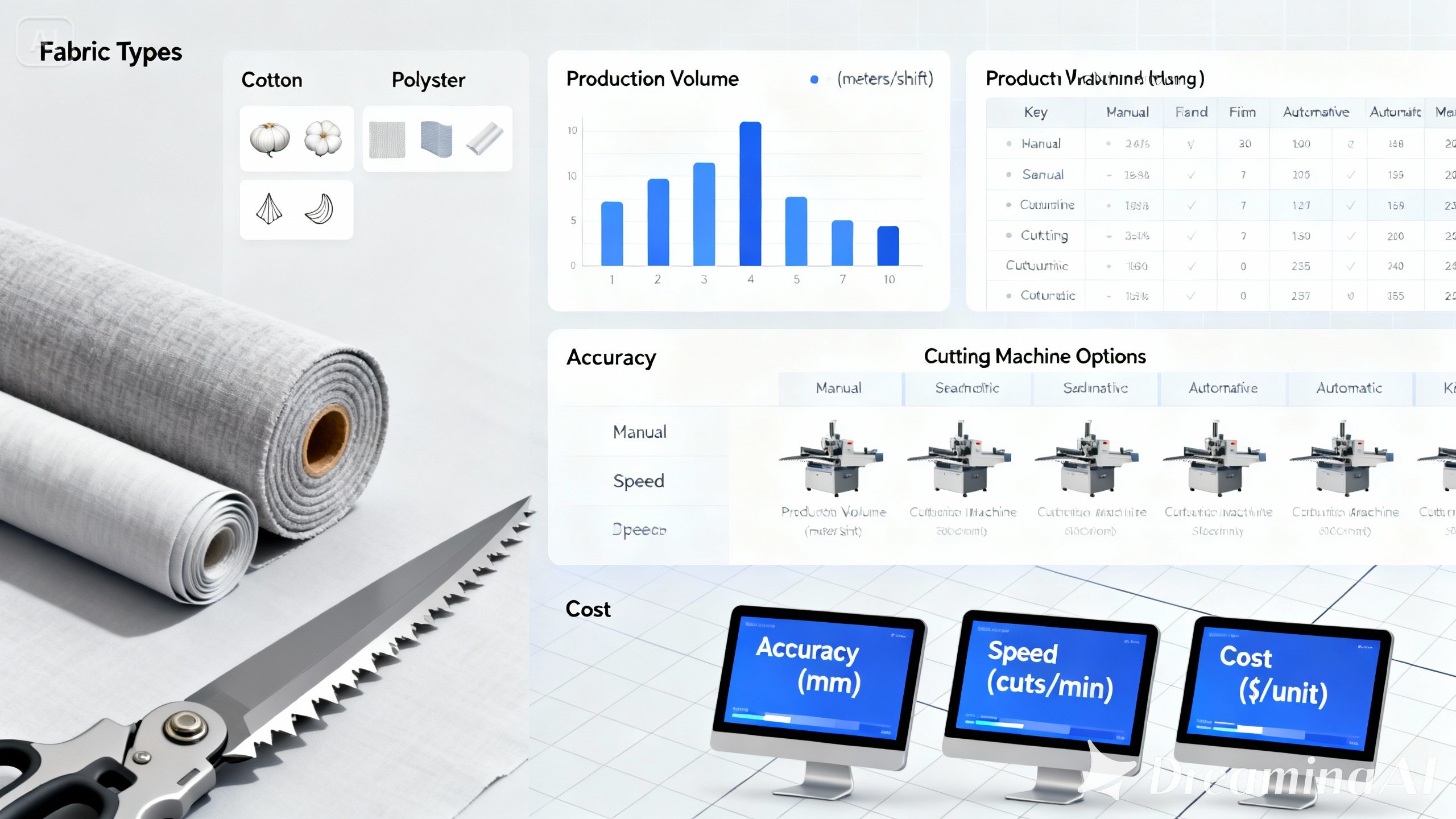
Before finalizing a machine, the following factors must also be evaluated:
- Fabric types being used
- Daily production demand
- Available floor space
- Budget and long-term ROI
- Maintenance requirements
- Operator skill level
By considering these elements, better decisions can be made and long-term benefits can be ensured.
6. Matching Machine to Need: A Quick Summary
| Production Scale | Recommended Machines | Key Benefits |
|---|---|---|
| Small | Round Knife, Straight Knife, Compact CNC | Low cost, flexibility, easy operation |
| Medium | Band Knife, Semi-Automatic Cutters | Higher accuracy, faster workflow |
| Large | Fully Automated CNC, Laser Cutters, Spreaders | Maximum speed, precision & low labor cost |
Conclusion
By understanding production scale and evaluating specific requirements, the right cutting machine can be selected with confidence. Furthermore, when an appropriate machine is chosen, efficiency is increased, fabric waste is reduced, and higher-quality garments are consistently produced.
Therefore, choosing the right cutting technology should always be treated as a strategic investment for long-term growth.