META DESCRIPTION
See how one garment factory reduced fabric waste by 20% using automated cutting technology. A practical case study showcasing efficiency and cost savings.
Introduction
Waste reduction has always been a major challenge for garment manufacturers. As fabric prices rise and production volumes increase, small improvements in cutting accuracy can significantly reduce material loss. To highlight this, a case study shows how one garment factory successfully reduced its fabric waste by 20% after implementing an advanced automated cutting system.
This example demonstrates how modern technology can transform operations when we use the right tools.
Background of the Factory
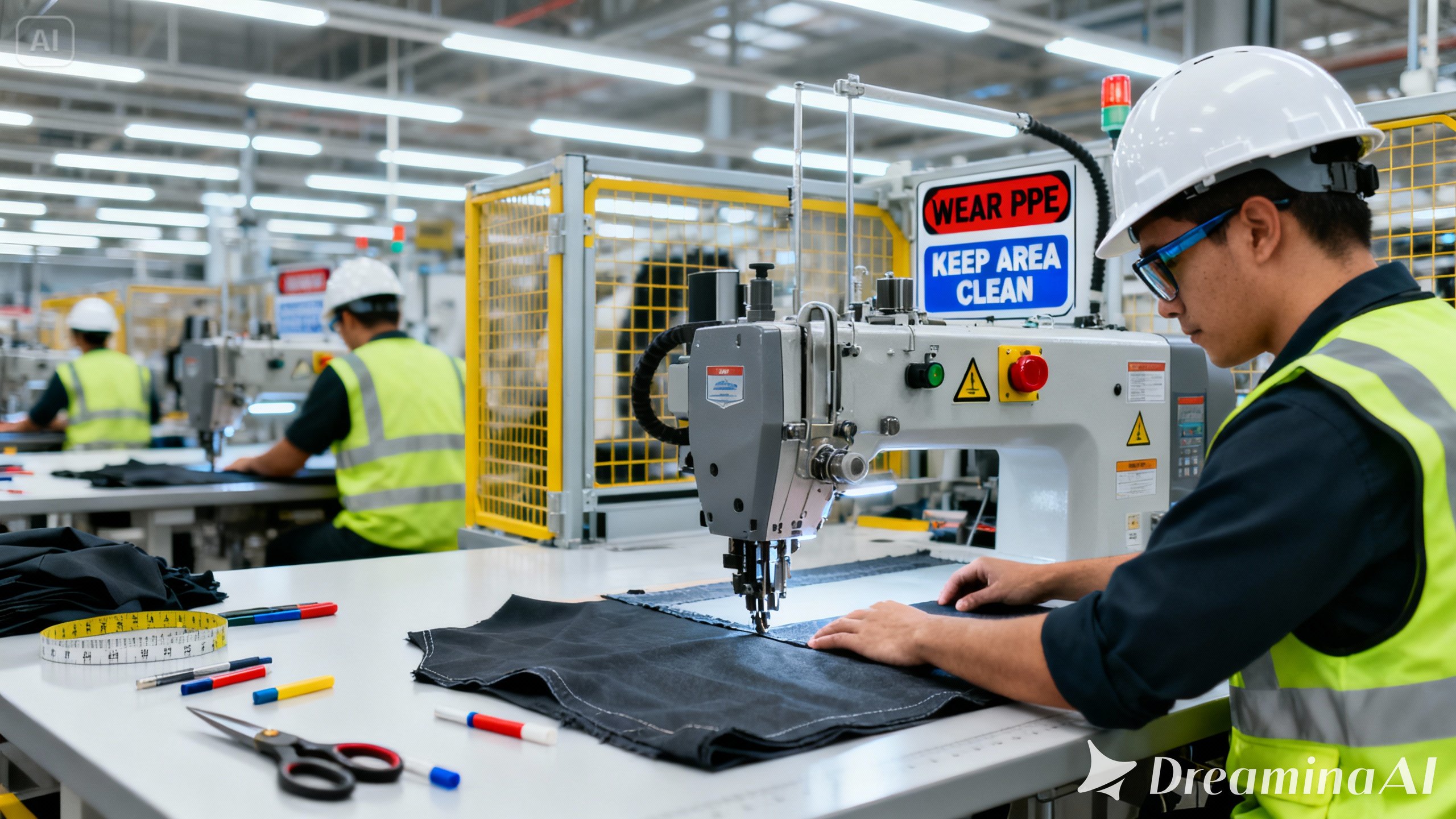
A mid-sized garment factory specializing in knitwear had been facing consistent fabric wastage due to manual cutting errors. Although efforts were made to improve operator training, inconsistency continued to appear in cutting patterns, layer alignment, and blade sharpness.
Therefore, management decided that an automated cutting machine would be introduced to achieve better accuracy and reduce waste.
Problem Identified
Before they adopted automation, they consistently observed several issues.
- Uneven layer spreading
- Misaligned patterns
- Frequent blade dullness
- Slow manual cutting speed
- Excessive offcuts
Because these problems occurred almost daily, material usage became unpredictable, and they experienced disruptions in production planning. It became clear that they needed a smarter, more precise system.
Solution: Installation of an Automated Cutting Machine
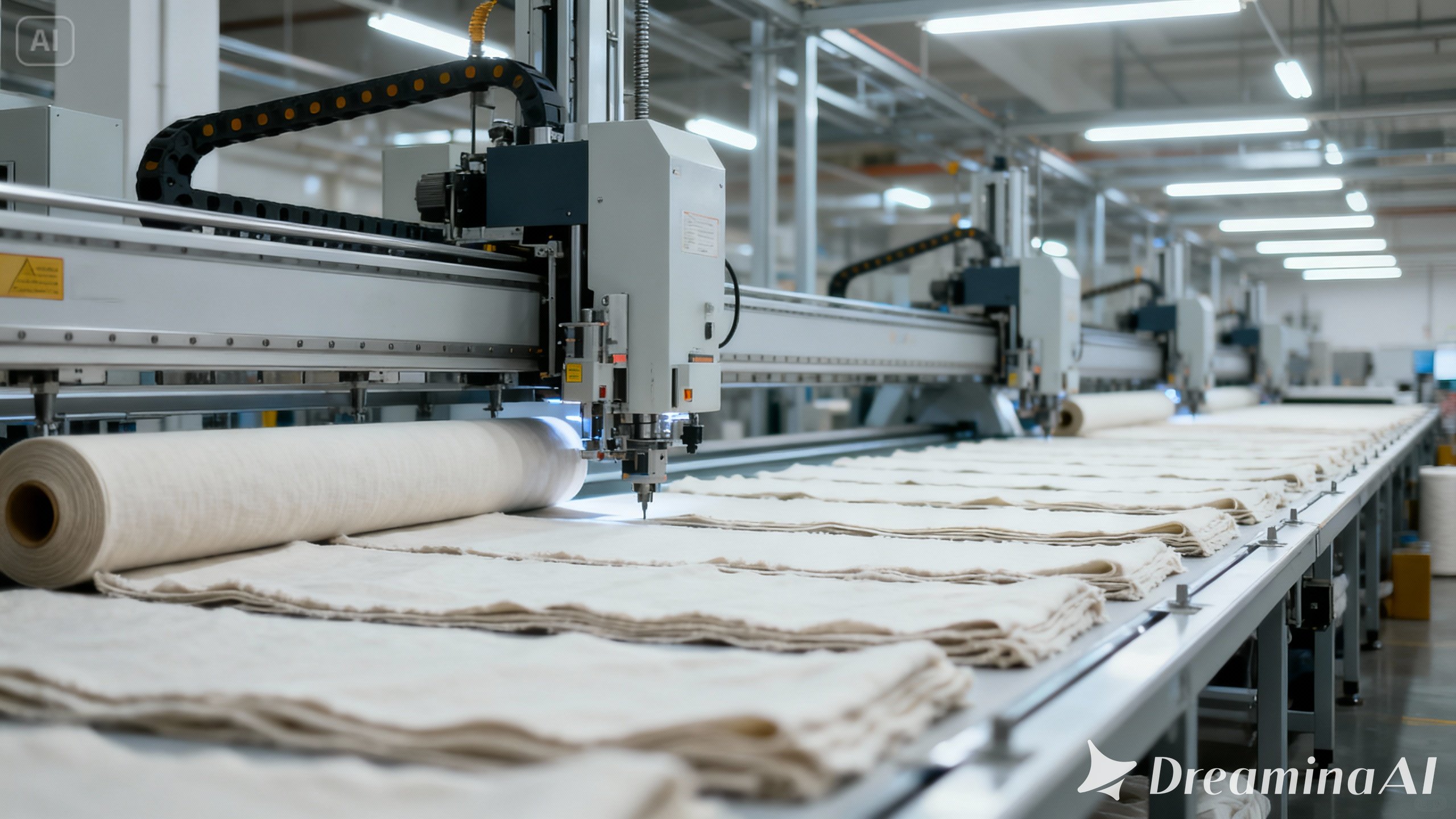
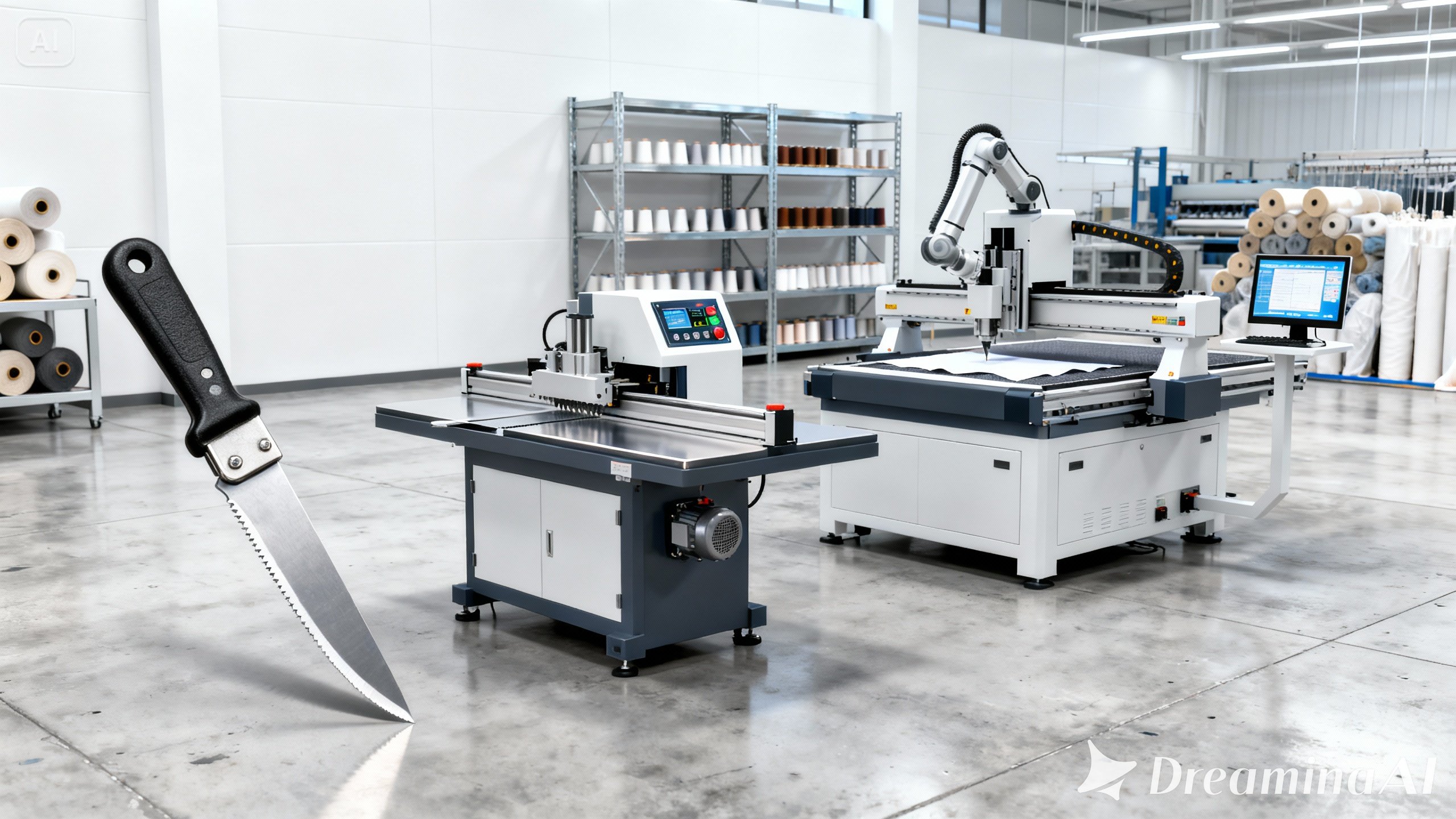
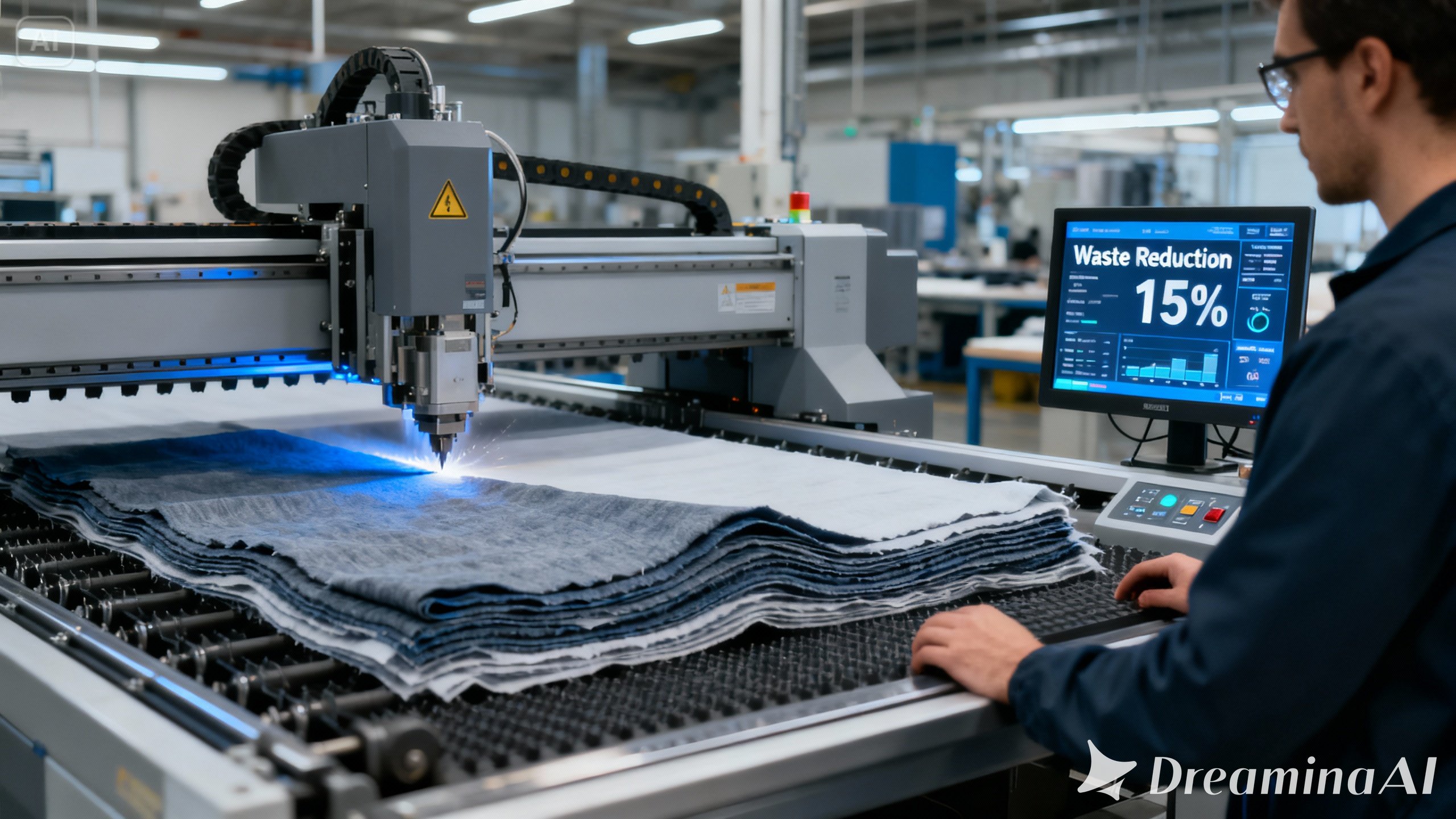
To address these issues, they installed a high-precision automated cutting machine equipped with digital controls and intelligent sensors. This system was designed to maintain accuracy across large fabric spreads and to minimize human error.
Through automatic adjustment and real-time monitoring, they immediately improved the cutting quality. Additionally, the machine began performing consistent cuts regardless of fabric thickness or operator skill level.
Implementation Process
The factory followed a structured implementation plan:
Step 1 — Fabric Spreading Automation
Automated spreading ensured that they aligned every layer accurately. As a result, they reduced pattern distortion and sped up material handling.
Step 2 — Digital Pattern Optimization
They introduced advanced nesting software, and they optimized marker placement digitally. Consequently, they fitted more pieces onto the same fabric area.
Step 3 — Precision Cutting Execution
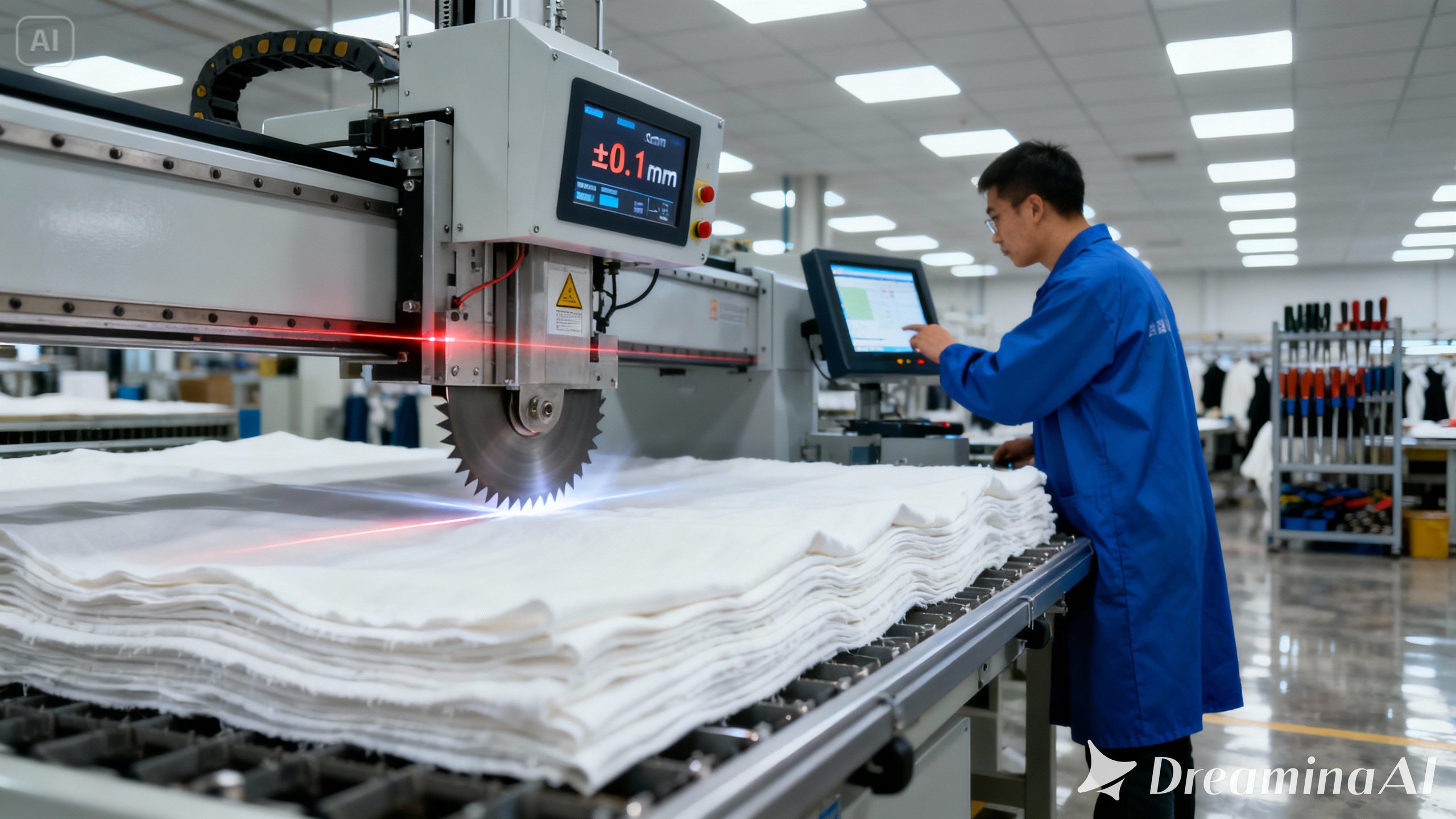
Laser-guided cutting and smart sensors maintained consistent quality. No manual measuring or blade adjustments were required.
Step 4 — Continuous Monitoring
The cutting machine generated detailed performance data, enabling supervisors to identify where they could make additional improvements.
Through these combined efforts, production became more controlled and predictable.
Results Achieved
After eight weeks of use, the team recorded several improvements.
- 20% reduction in fabric waste
- 12% increase in cutting speed
- Fewer rejected pieces due to improved accuracy
- Lower blade replacement costs
- More stable production flow
Because operators maintained accuracy at all times, they spent less time correcting errors. Furthermore, they handled materials faster, which helped increase daily output.
Financial Impact
The reduction in waste resulted in substantial annual savings. Since fabric accounts for a large share of garment production costs, even a small improvement produced noticeable financial benefits.
Because the company reduced waste by 20%, they recovered the machine investment within the first year.
Thus, automation proved to be a cost-effective and long-term solution.
Conclusion
This case study demonstrates that waste reduction is not achieved by chance — companies achieve it through precision, automation, and consistent performance. When they use advanced cutting machines, fabric utilization improves, they make the cutting process more accurate, and overall efficiency increases.
Factories that adopt automated cutting technology gain a competitive advantage, reduce operational costs, and deliver higher-quality garments with greater consistency.