
Meta Description
Explore how fabric cutting technology evolved from simple hand shears to today’s intelligent, automated cutting machines. Learn how each innovation improved speed, accuracy, consistency, and production efficiency in the textile industry.I
Introduction
The journey of fabric cutting technology has been shaped by continuous innovation. Traditionally, workers performed cutting manually with shears and relied on their skill. However, as the textile industry grew and demand increased, manufacturers needed more efficient methods. Consequently, they gradually introduced new tools and machines, transforming fabric cutting into a highly precise and automated process.
Early Beginnings: When Hand Shears Controlled Manufacturing
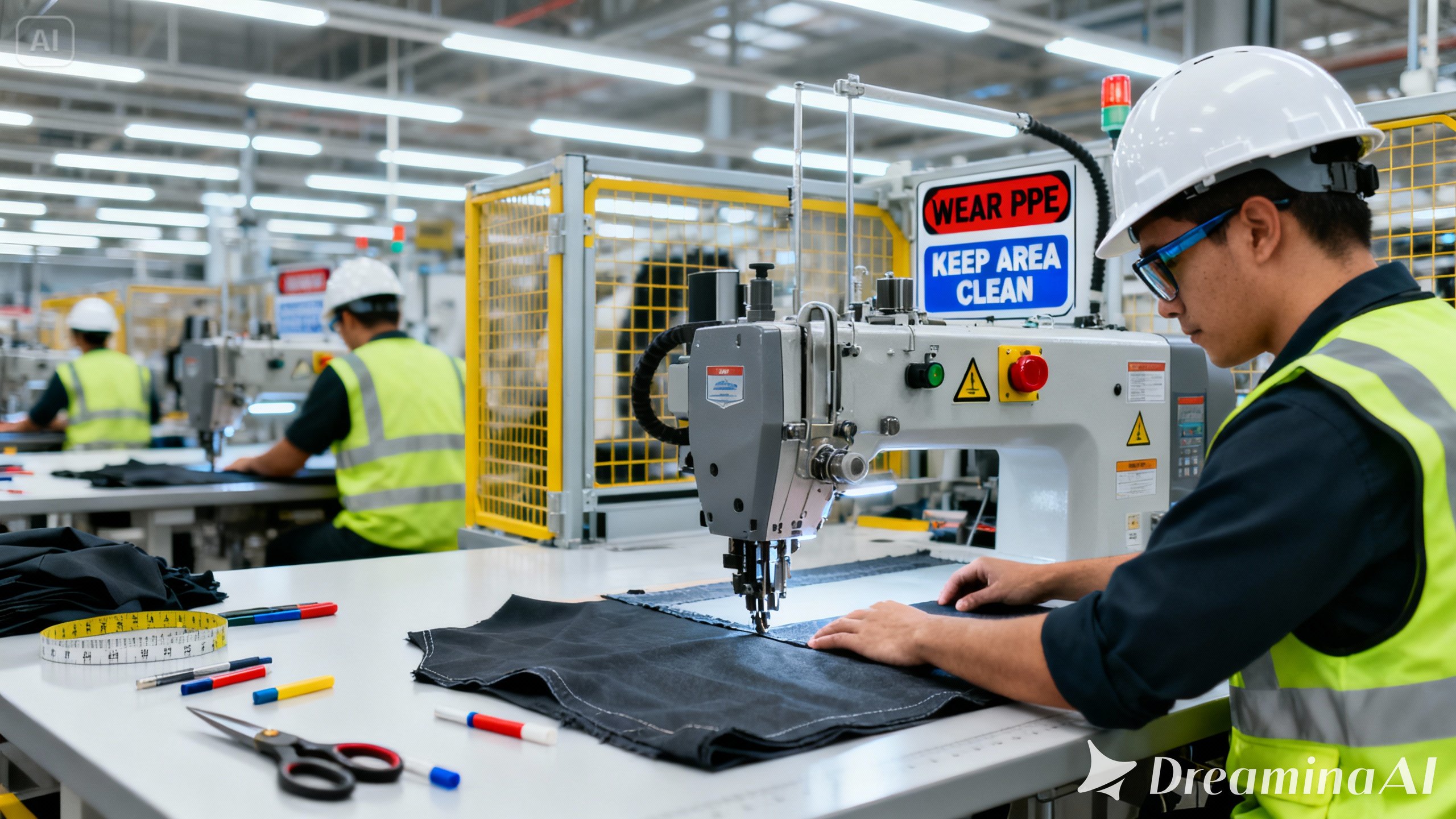
The journey of fabric cutting technology has been shaped by continuous innovation. Traditionally, workers cut fabric manually with shears and relied on their skill. However, as the textile industry grew and demand increased, manufacturers sought more efficient methods. Consequently, they gradually introduced new tools and machines, transforming fabric cutting into a highly precise and automated process.
Furthermore, the inability to process larger orders efficiently led to frequent fabric waste caused by human error.
The Introduction of Straight-Knife Machines: A Major Turning Point
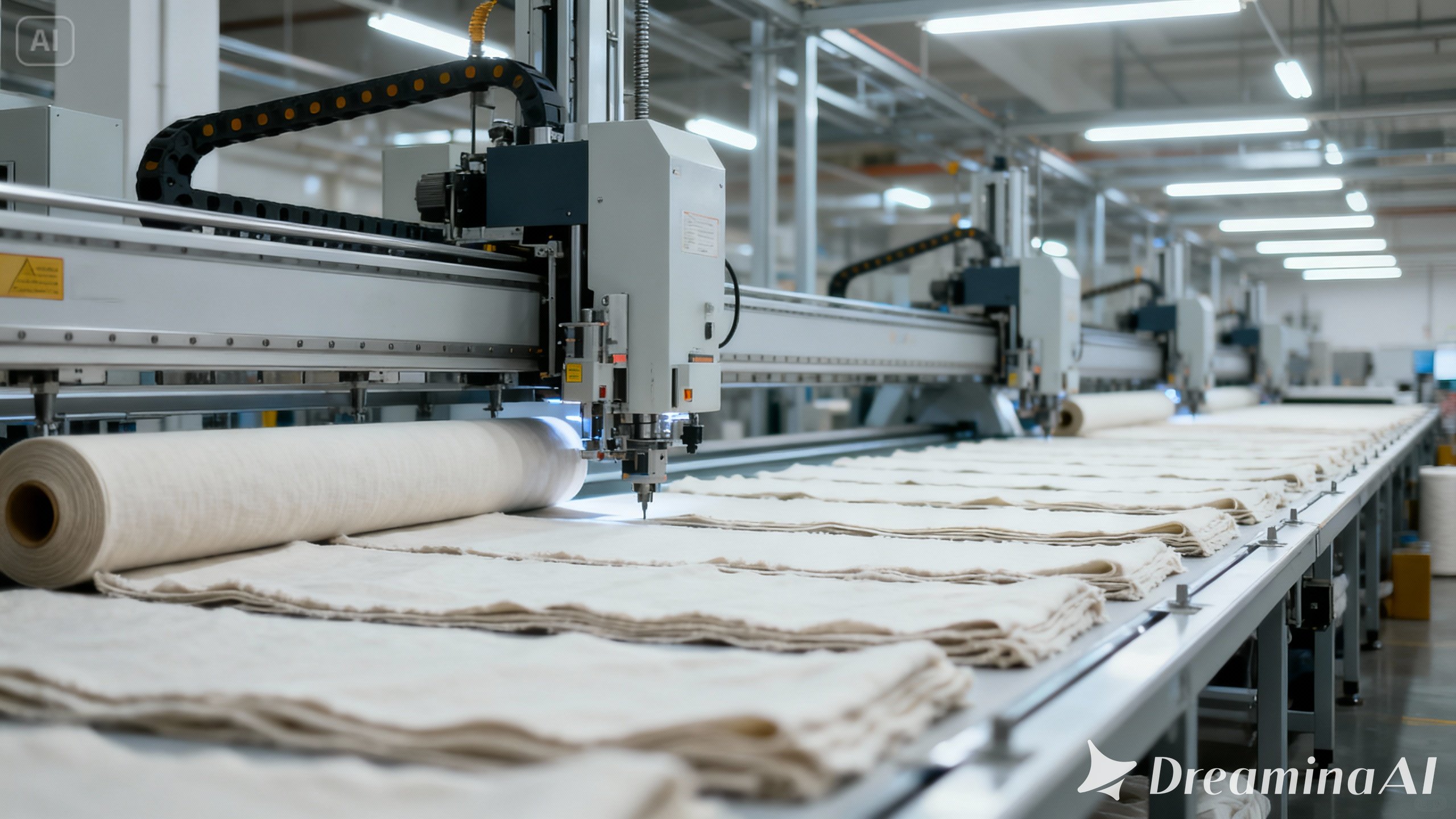
As industries expanded, manufacturers replaced manual shears with straight-knife cutting machines. These machines aimed to increase speed and reduce operator fatigue. Additionally, they achieved straighter and sharper cuts, which immediately improved accuracy.
Although workers still needed to operate the machines manually, they significantly increased productivity, and they could finally cut fabric layers in bulk.
Band Knife & Round Knife Machines: More Precision Enters the Industry
Over time, manufacturers introduced more machines to meet different cutting needs.
- Band knife machines were adopted for detailed curves and complex shapes.
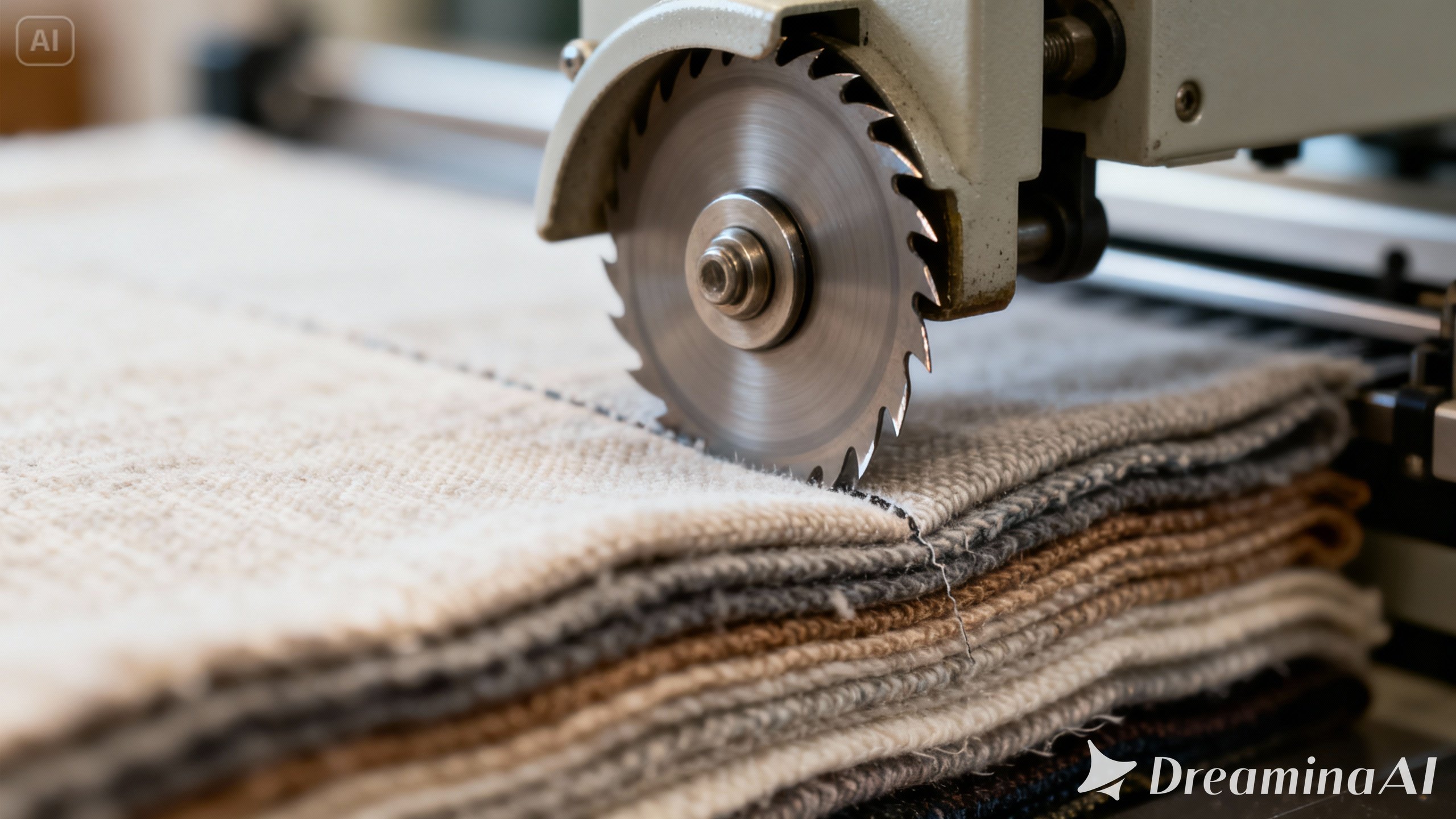
- Round knife cutters were used to cut multiple layers quickly and smoothly.
Because these machines allowed workers to create smoother edges and cleaner finishes, they began producing higher-quality garments consistently. Moreover, they reduced fabric waste and noticeably improved line efficiency.
The Rise of Computerized Cutting: Accuracy Becomes Automated
As the textile sector advanced further, developers created computerized cutting systems. They digitized patterns and performed tasks using computer commands instead of manual guidance. Consequently, they minimized errors and achieved repeatability at an entirely new level.
Marker planning software optimized fabric consumption and dramatically reduced waste.
CNC & Laser Cutting: The Era of High-Speed Precision
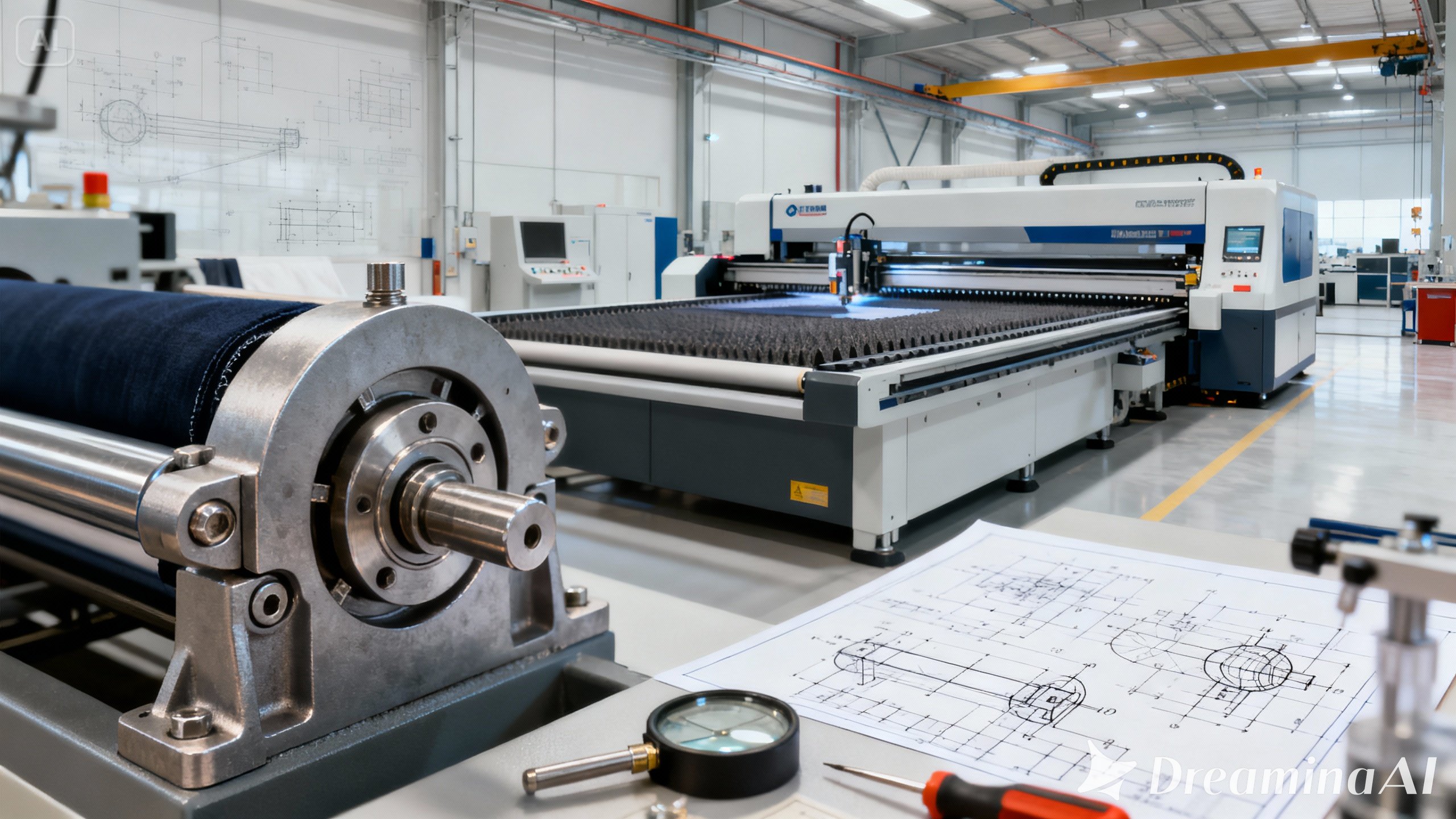
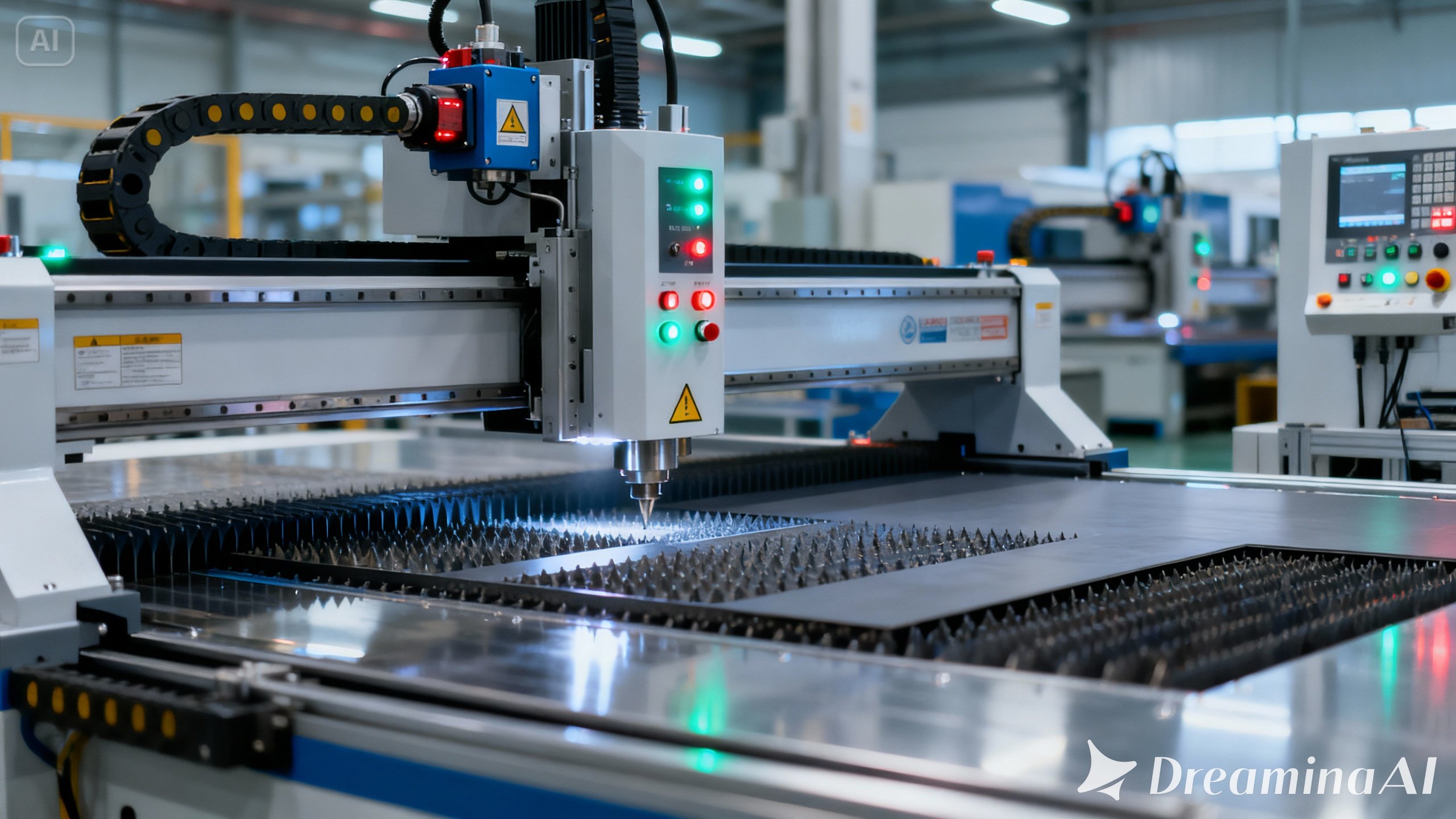
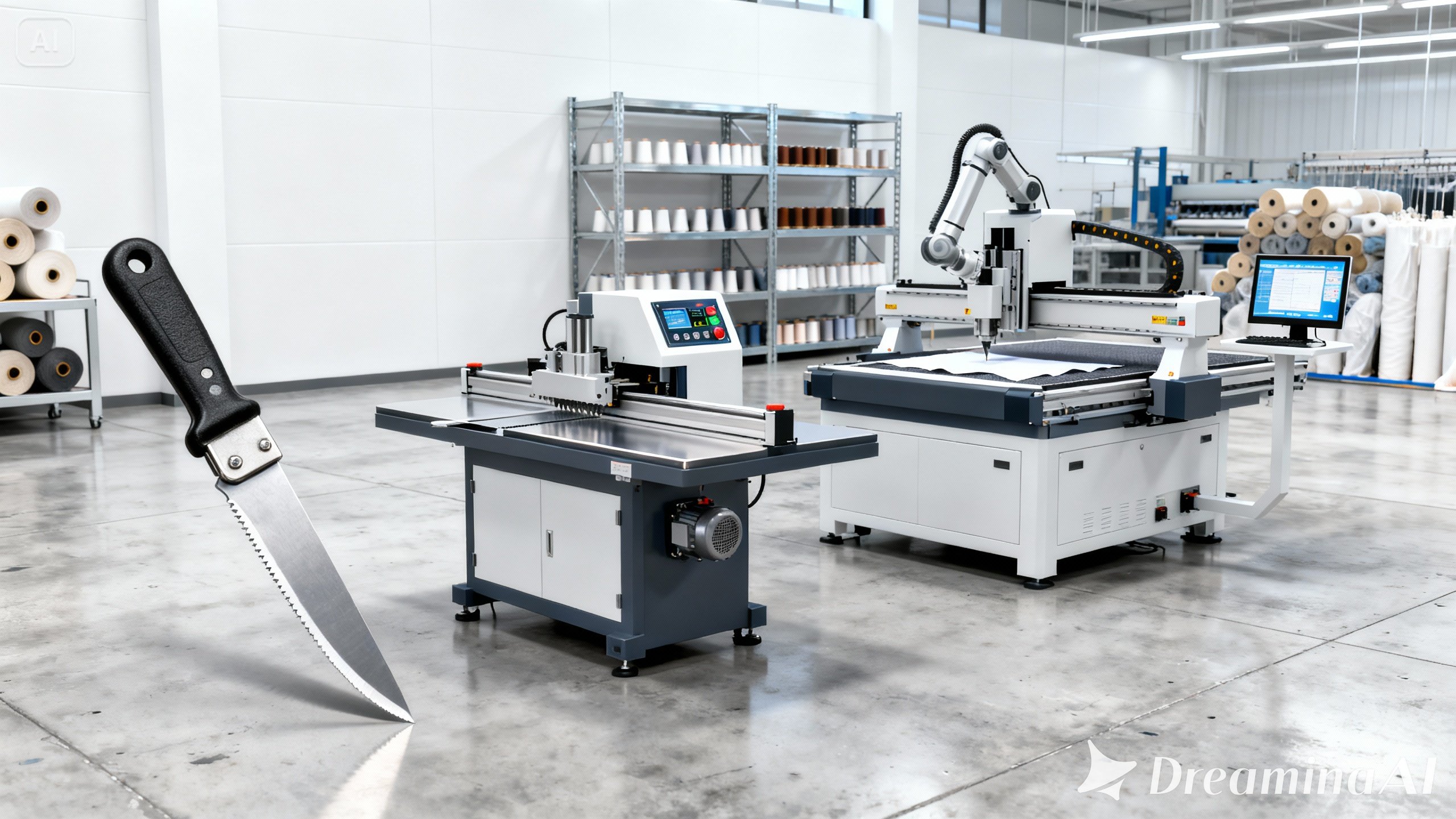
With the introduction of CNC and laser cutting technologies, workers achieved peak accuracy and cutting quality. They cut fabric edges with extreme precision and flawlessly executed complex designs. In addition, they greatly increased production speeds and handled delicate materials without causing damage.
Furthermore, heat-sealed edges reduced fraying, which improved overall garment durability.
Smart Machines & Automation: The Future of Cutting Technology
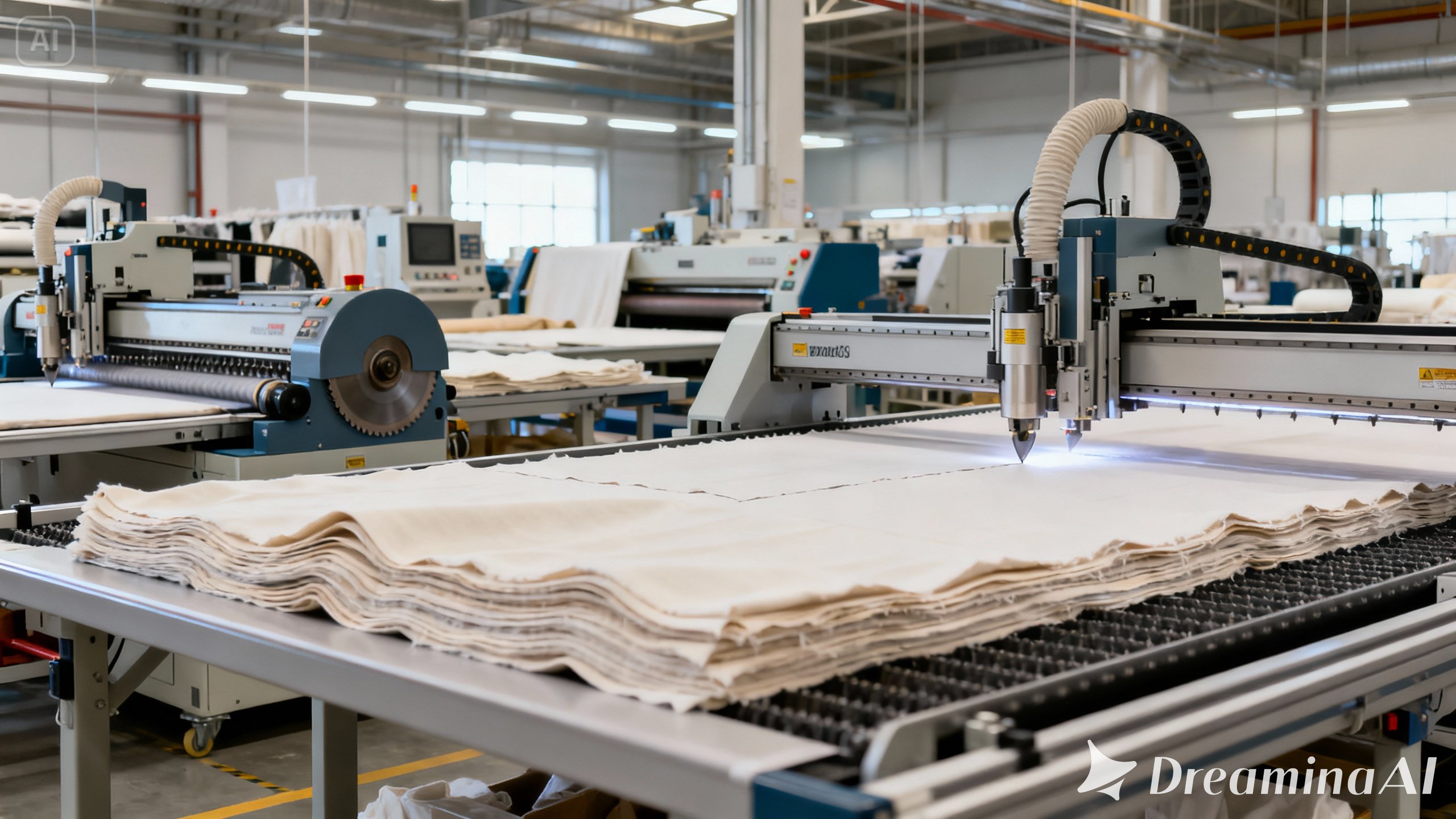
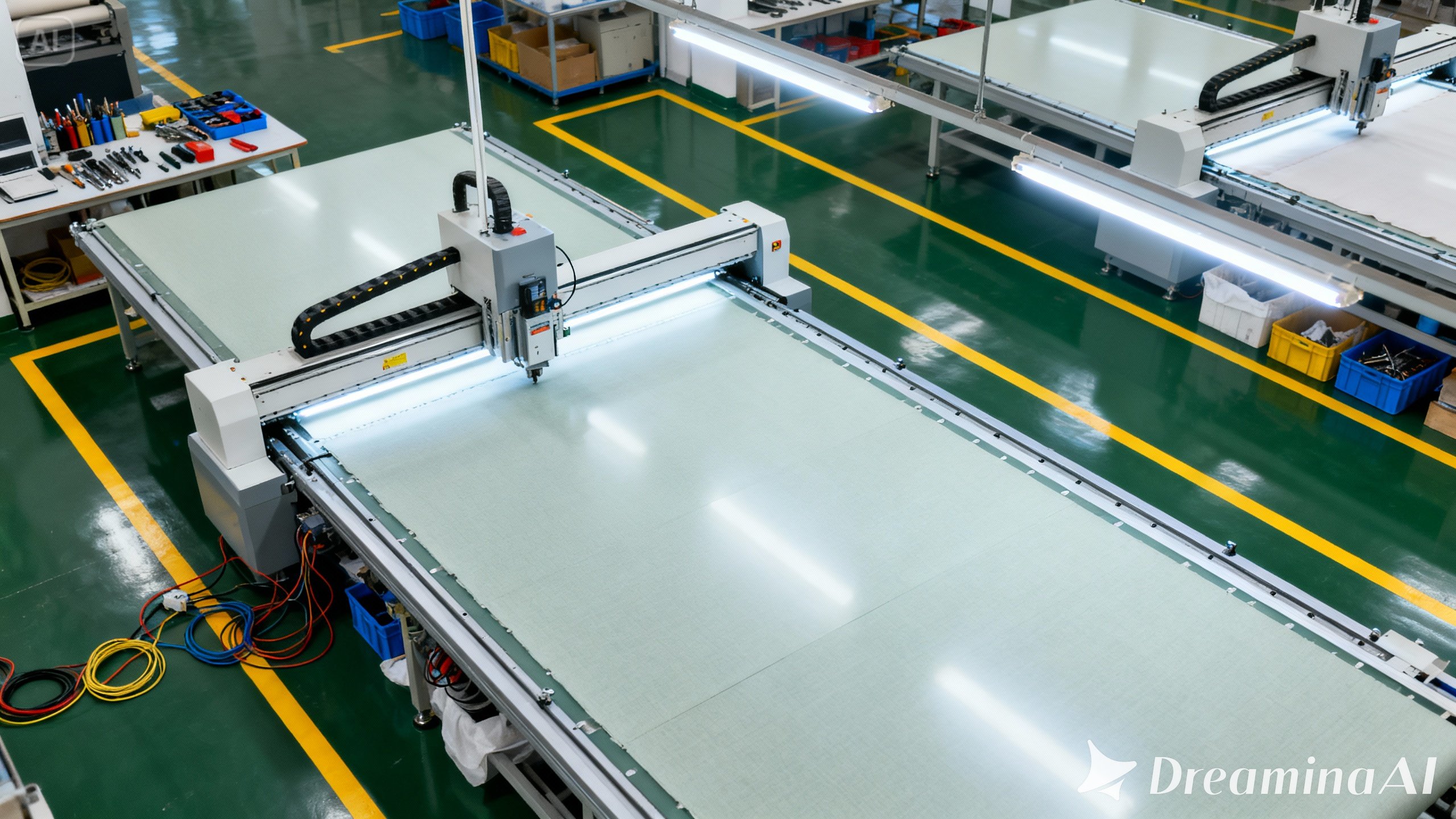
Currently, industry-leading textile factories adopt intelligent, sensor-based cutting systems. These smart machines use automation, software, real-time monitoring, and advanced blade control to operate effectively.
Because the system makes adjustments automatically, it achieves higher consistency and effectively eliminates operator errors. Moreover, production floors become more efficient, and workers meet order deadlines more reliably.
In the future, experts expect companies to fully integrate AI-driven cutting, enabling predictive maintenance, energy savings, and fully autonomous cutting rooms.
Conclusion
Fabric cutting technology has continuously evolved from simple hand shears to highly advanced smart cutting machines. Each innovation has improved speed, achieved superior accuracy, reduced fabric waste, and increased productivity. As technology progresses further, manufacturers expect to make garment manufacturing even more precise, automated, and cost-efficient.