Meta Description
Automated cutting systems improve speed, consistency, and ROI. But is it always worth switching from manual cutting? Learn when automation becomes profitable.
Introduction
In every manufacturing process, cutting is a crucial step that directly affects quality, cost, and production speed. Therefore, most companies eventually face one strategic question: should they continue using manual cutting methods, or is it the right time to invest in automated cutting machines?
Manual Cutting: Where It Still Makes Sense
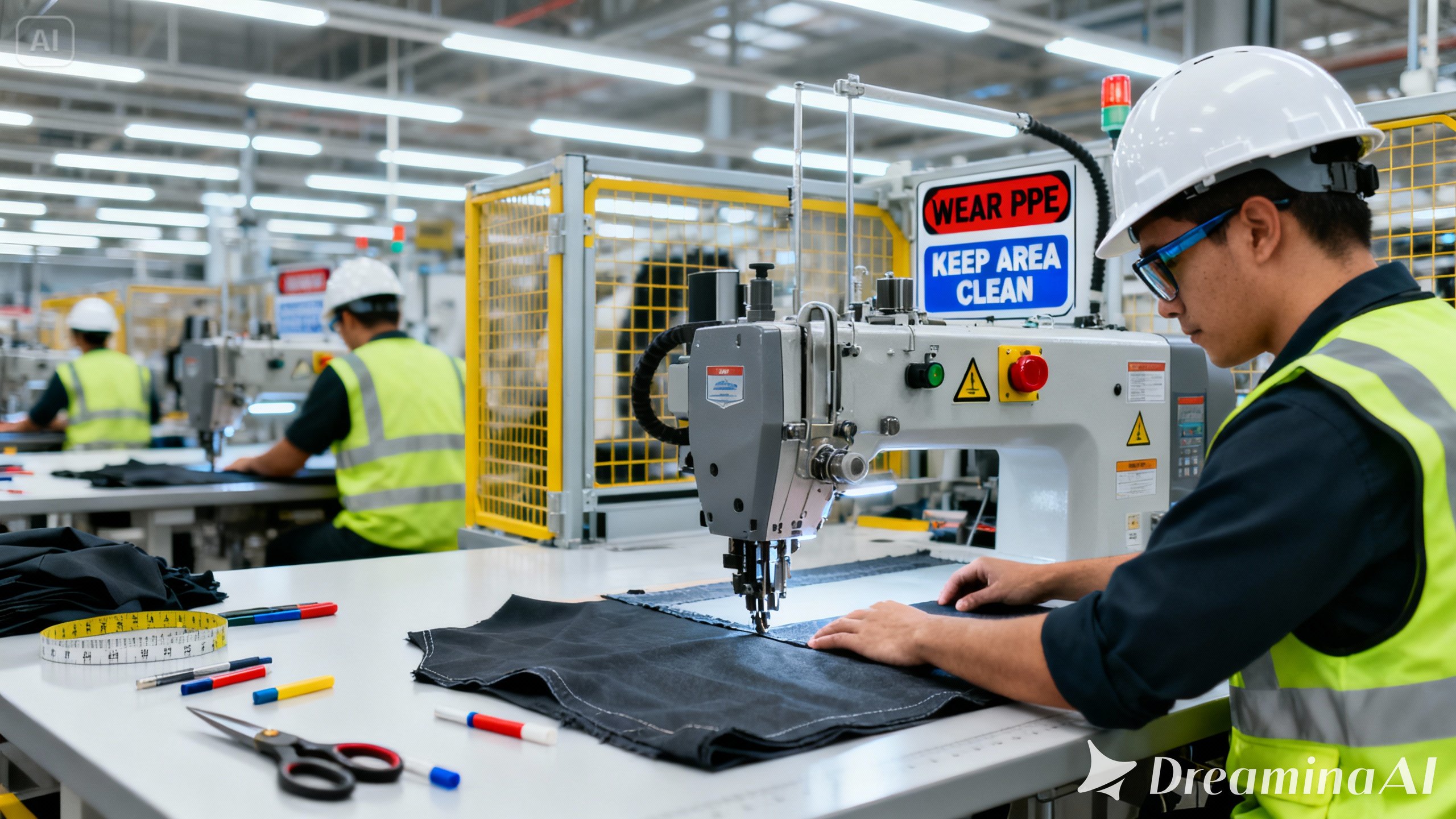
Manual cutting is often the preferred choice for startups, small workshops, or businesses with low-volume orders. Skilled workers can handle tasks flexibly, and the initial investment is almost zero. Furthermore, manual tools are easier to maintain.
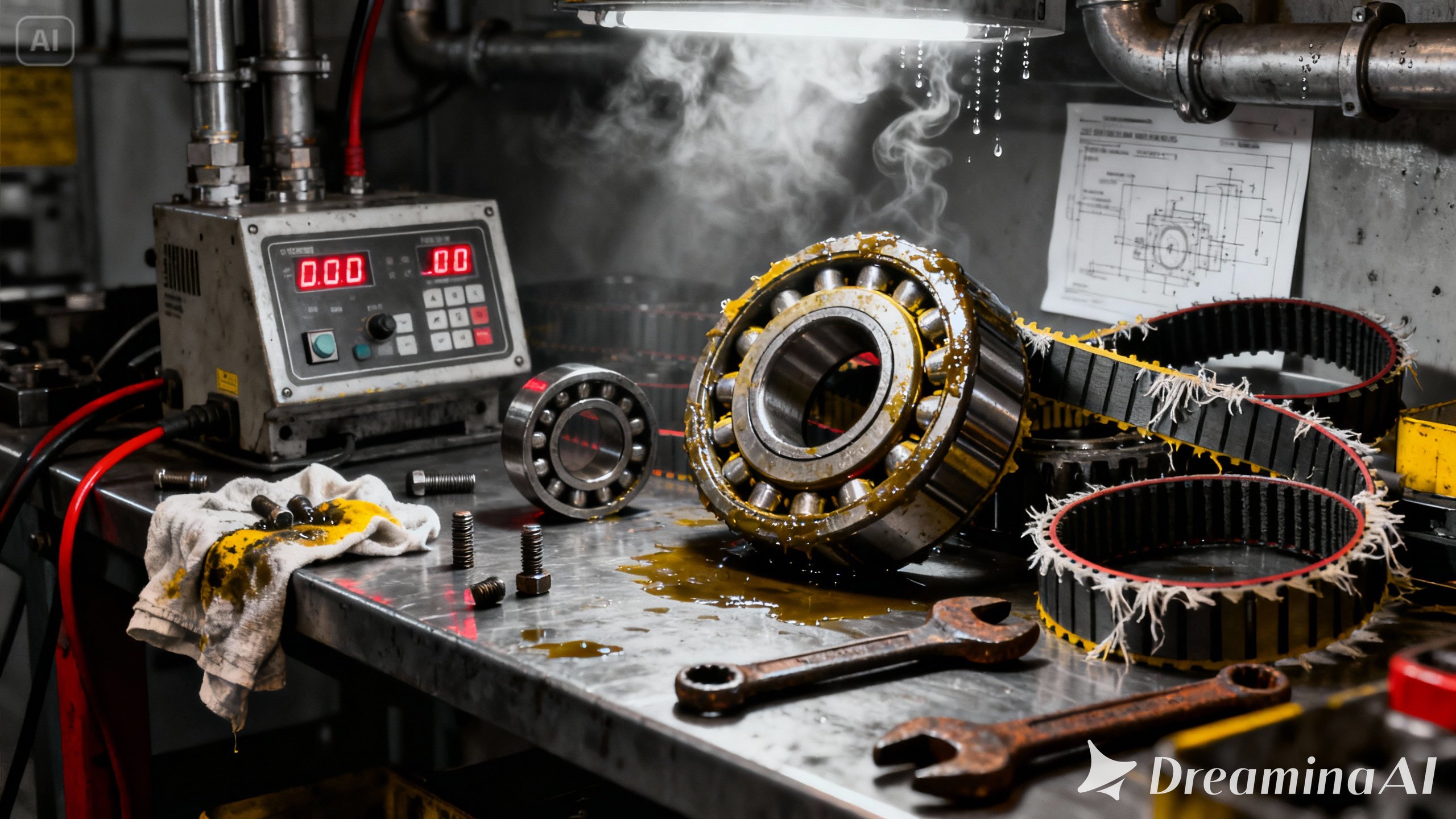
However, manual cutting also comes with limitations. Human error increases waste, precision varies from worker to worker, and labor time slows down delivery—especially when order volumes begin to grow.
Automated Cutting Machines: Where They Deliver Value
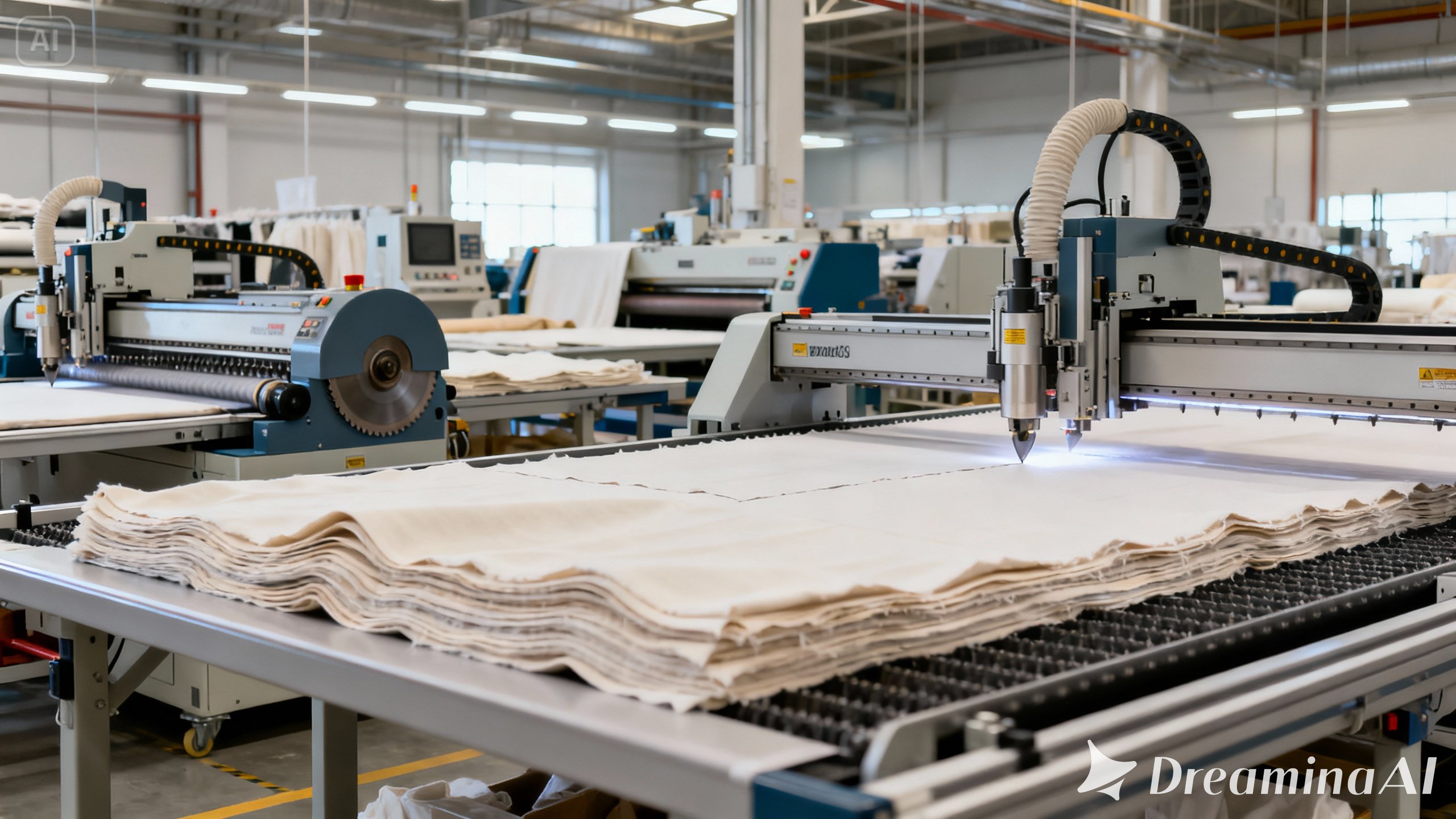
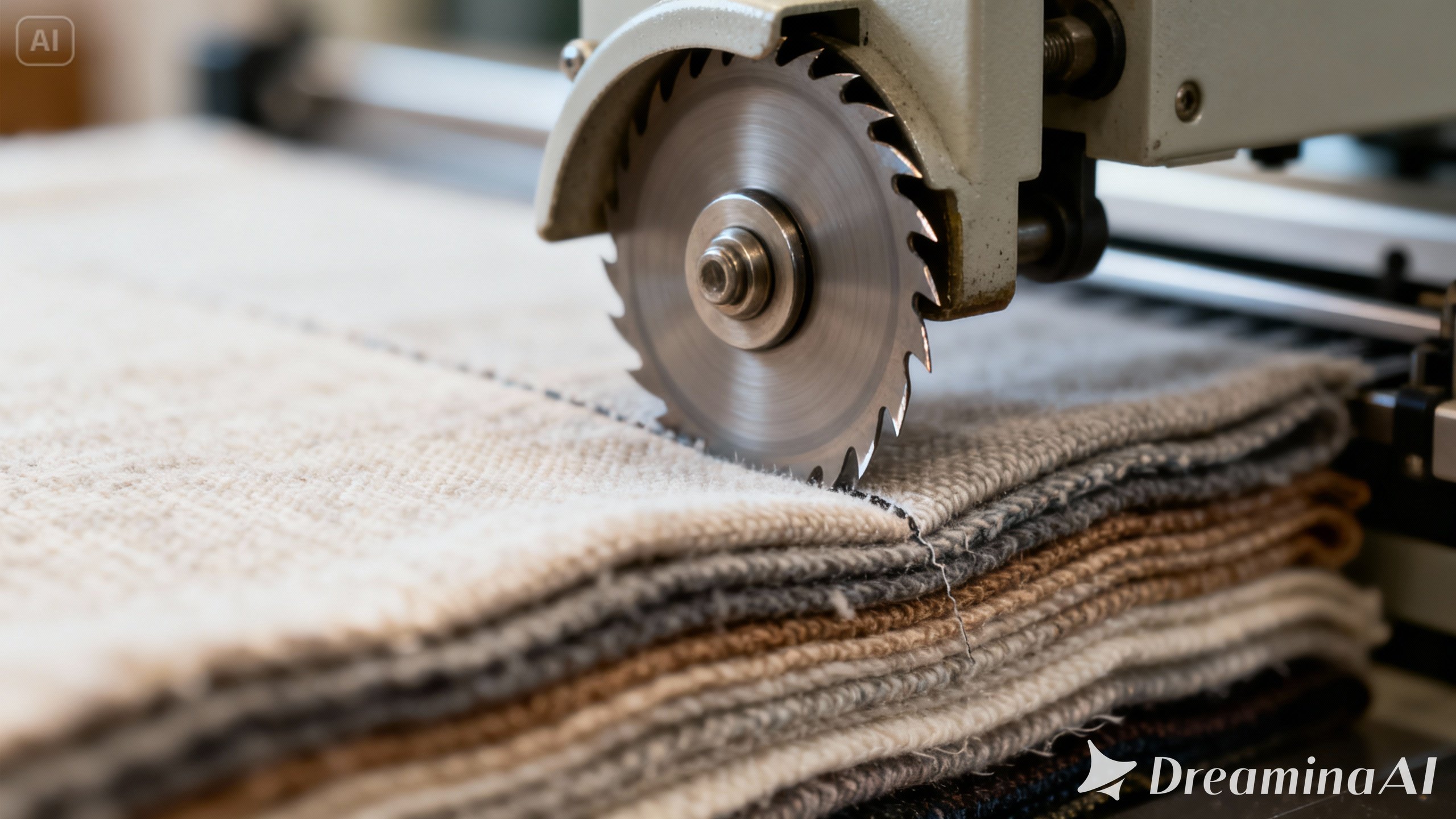
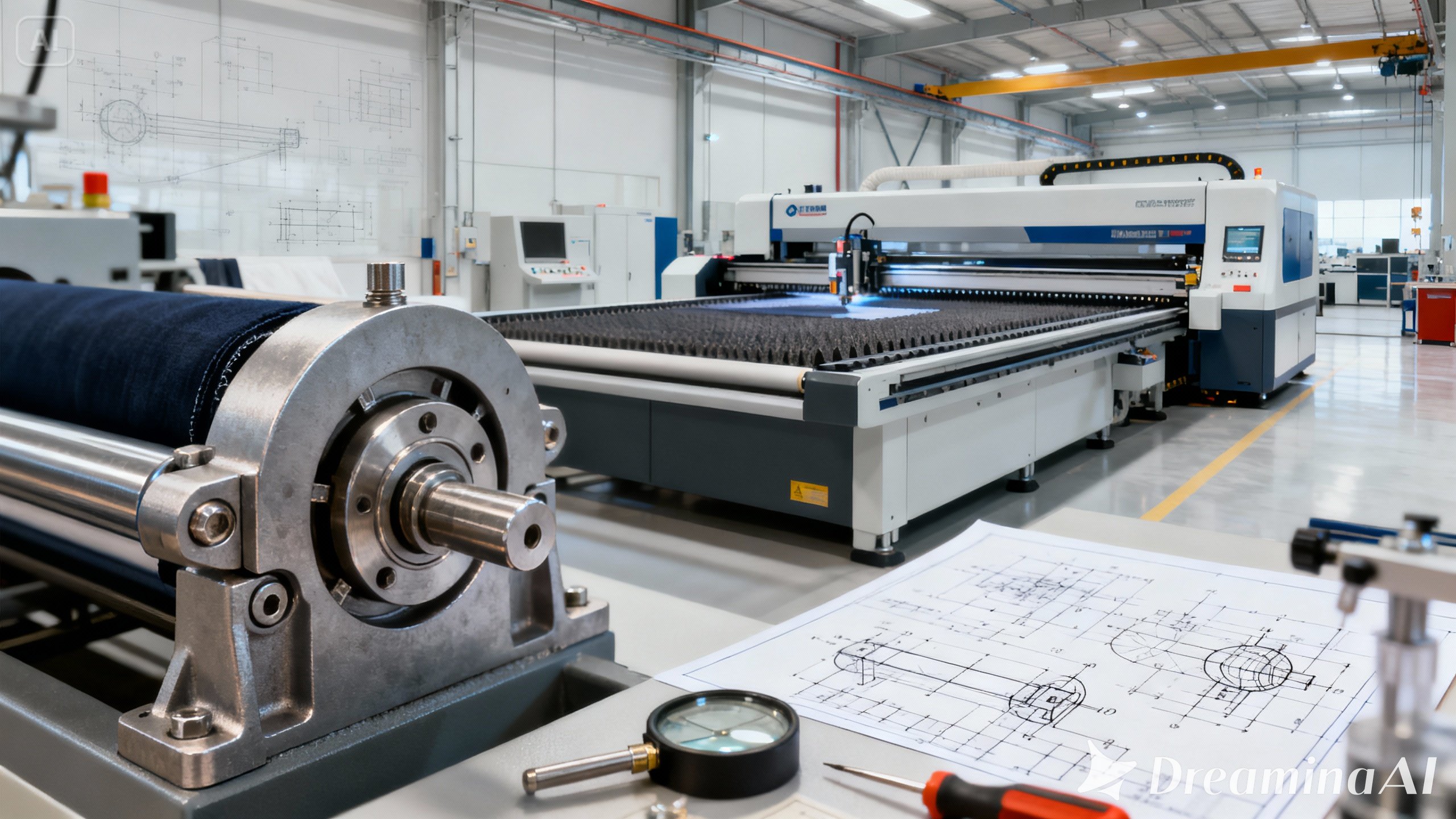
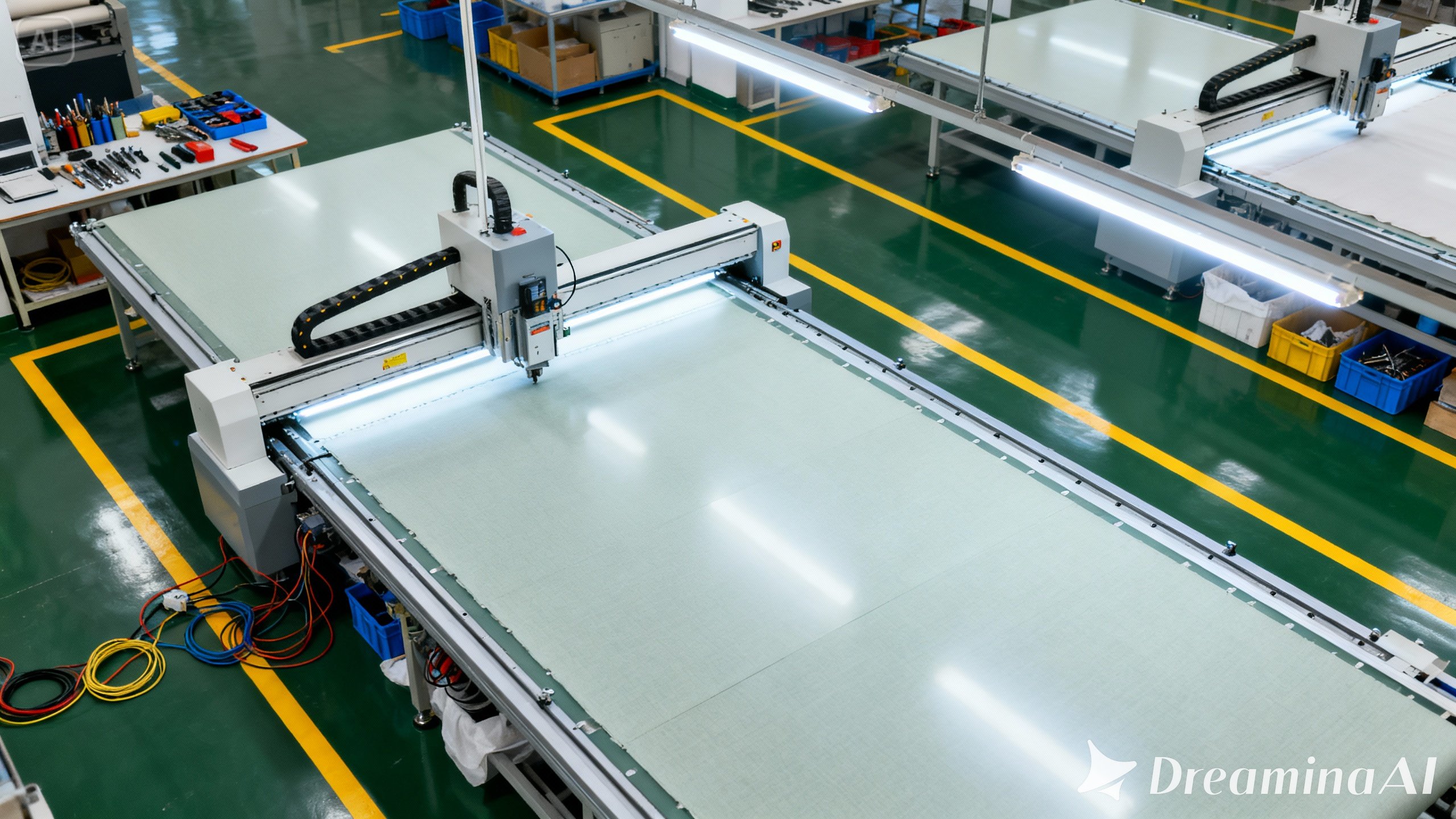
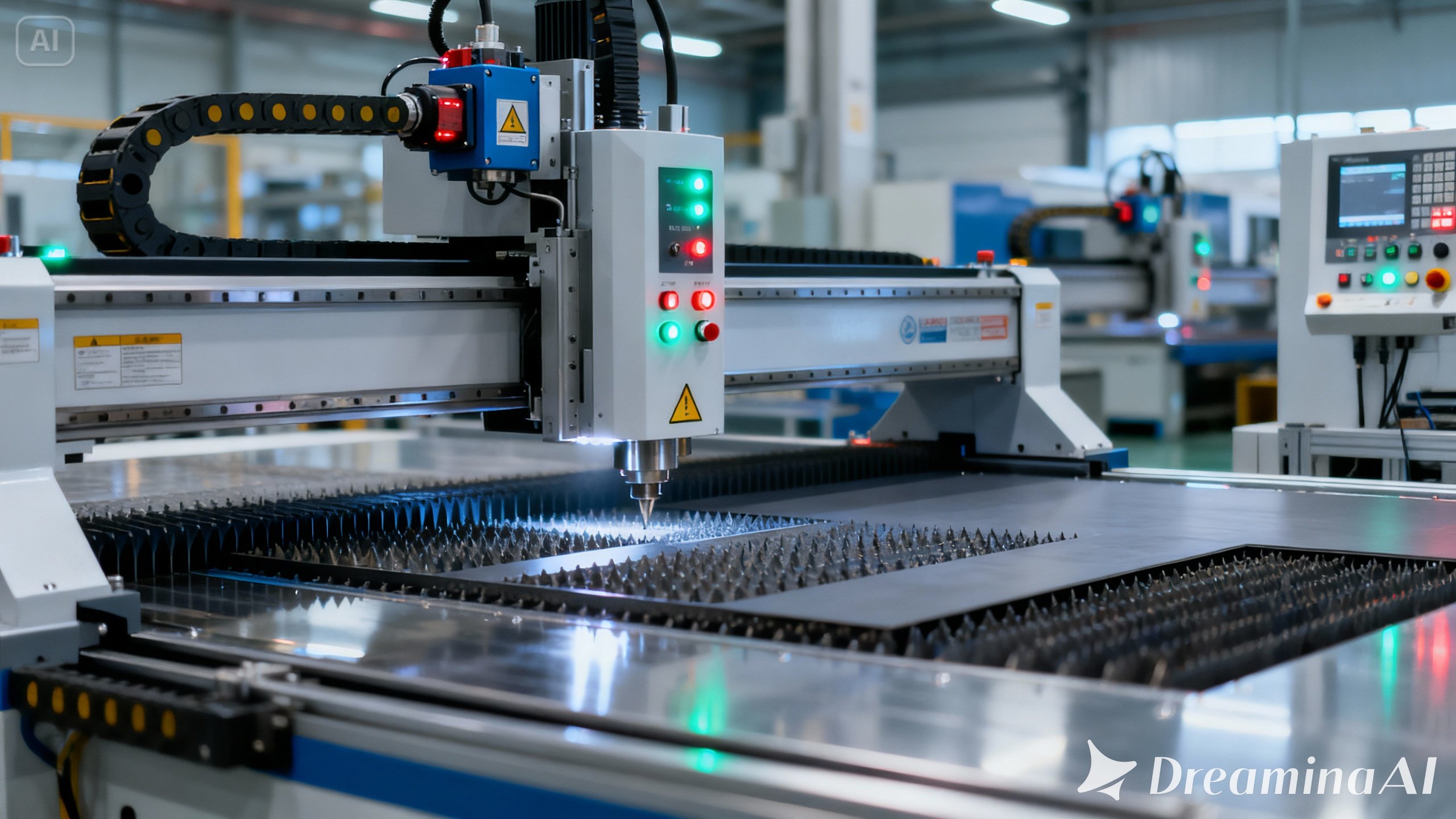
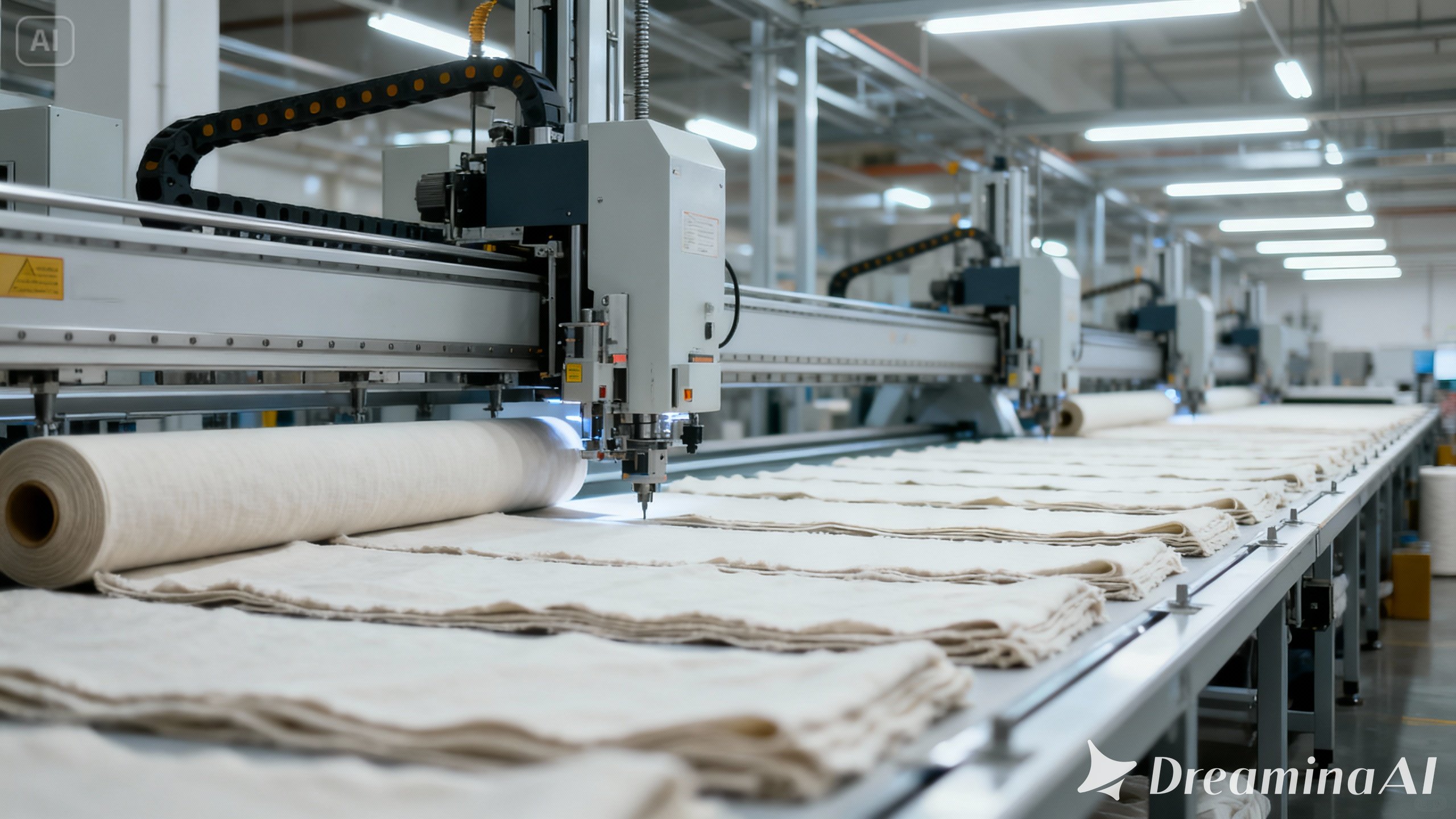
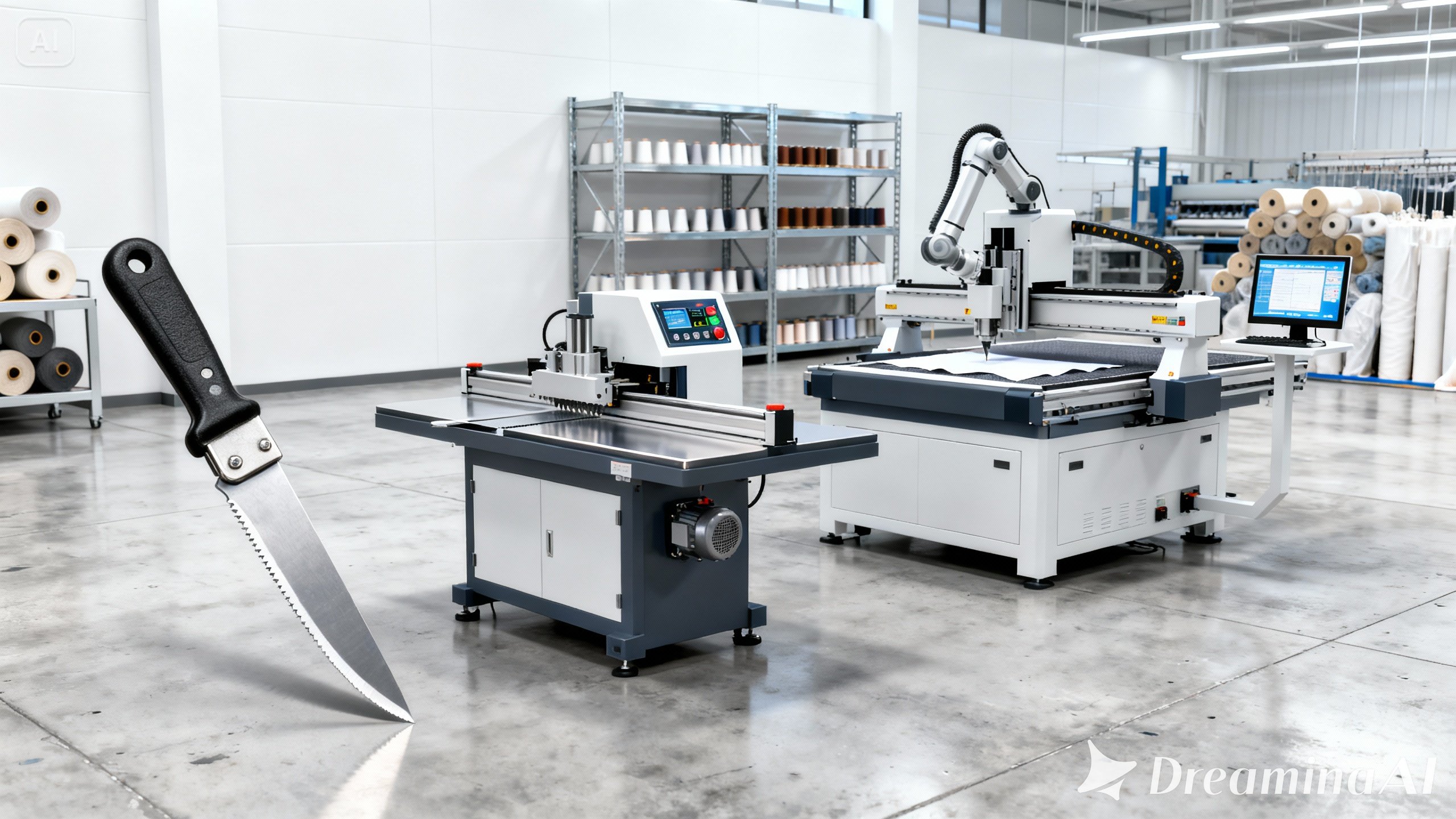
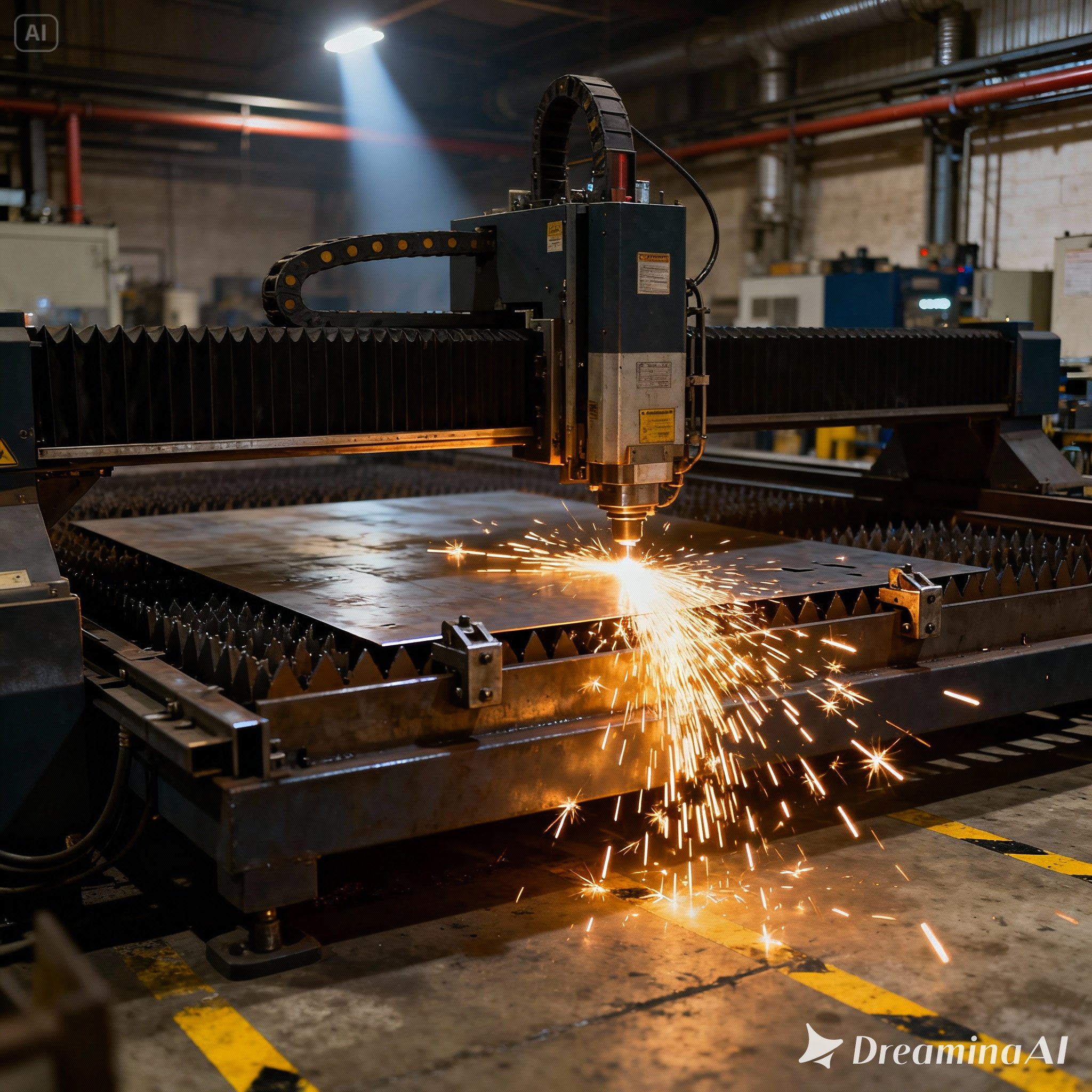
Automated cutting systems—like CNC laser cutters, UV cutters, plotters, die-cutting systems, etc.—provide consistent results at high speed. Once the job file is programmed, the machine repeats the exact cut thousands of times.
Moreover, automation reduces labor cost, improves accuracy, and minimizes material waste. Therefore, automation becomes more profitable when you produce medium to high volume, and when precision matters every time.
When Does Automation Pay Off?
Automation usually pays off when:
- you receive repeated orders
- you need consistent tolerances
- your labor cost is increasing
- you have bottlenecks during peak orders
- material wastage is hurting margins
In addition, automated machines can operate unattended, which boosts productive hours without hiring more operators.
Conclusion
Automation is a smart investment, but only when your production volume justifies it. If your shop floor is struggling to keep up with demand, automation becomes your growth driver. However, if your work volume is highly unpredictable, manual cutting may still be the safer choice.
Ultimately, the right time to automate is when your bottleneck shifts from machine time to labor time.