
Meta Description:
Upgrade your textile production with smart cutting technology. Discover the latest trends that boost precision, speed, and sustainability in 2025.
1. Laser Cutting for Ultimate Precision
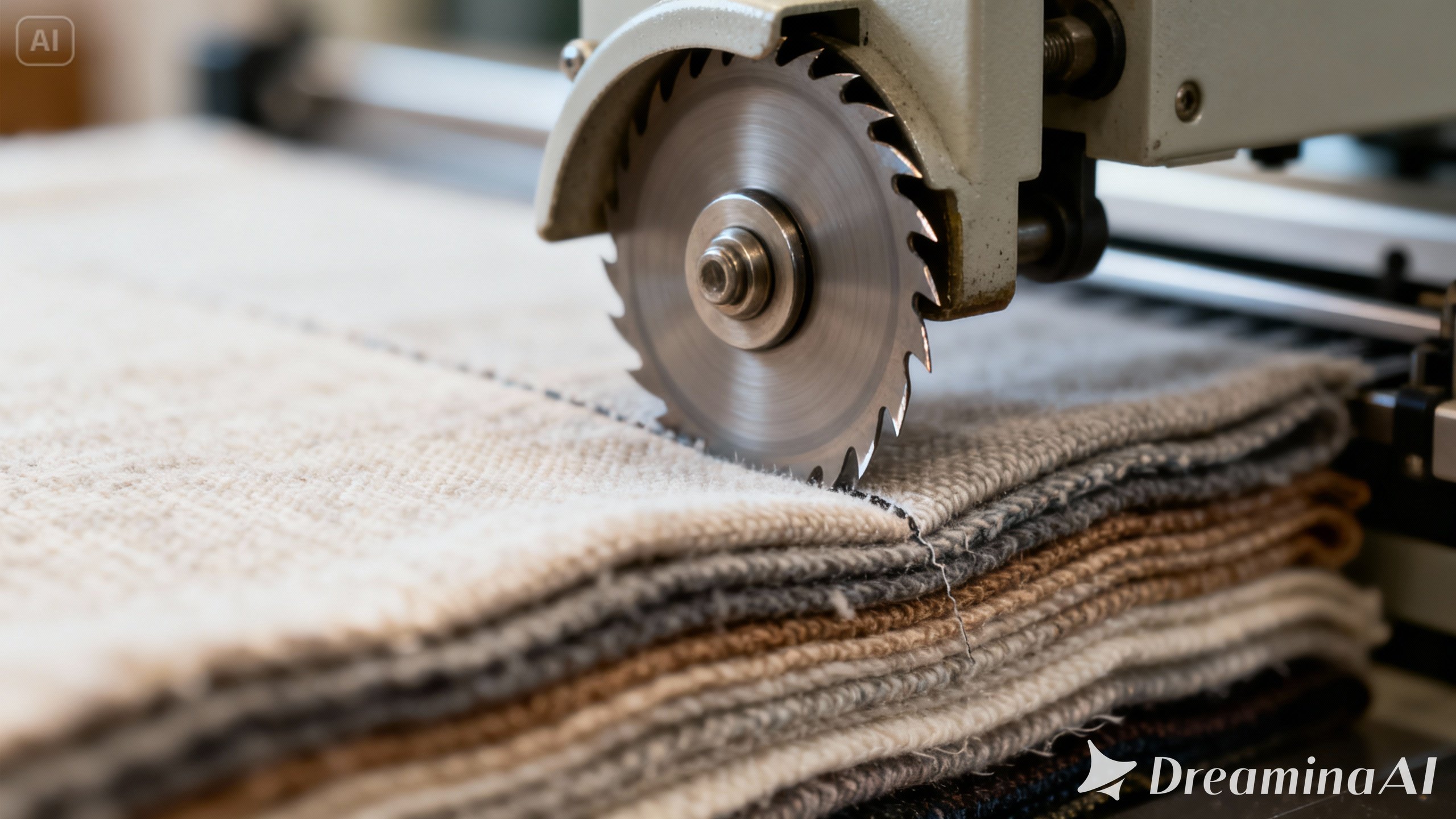
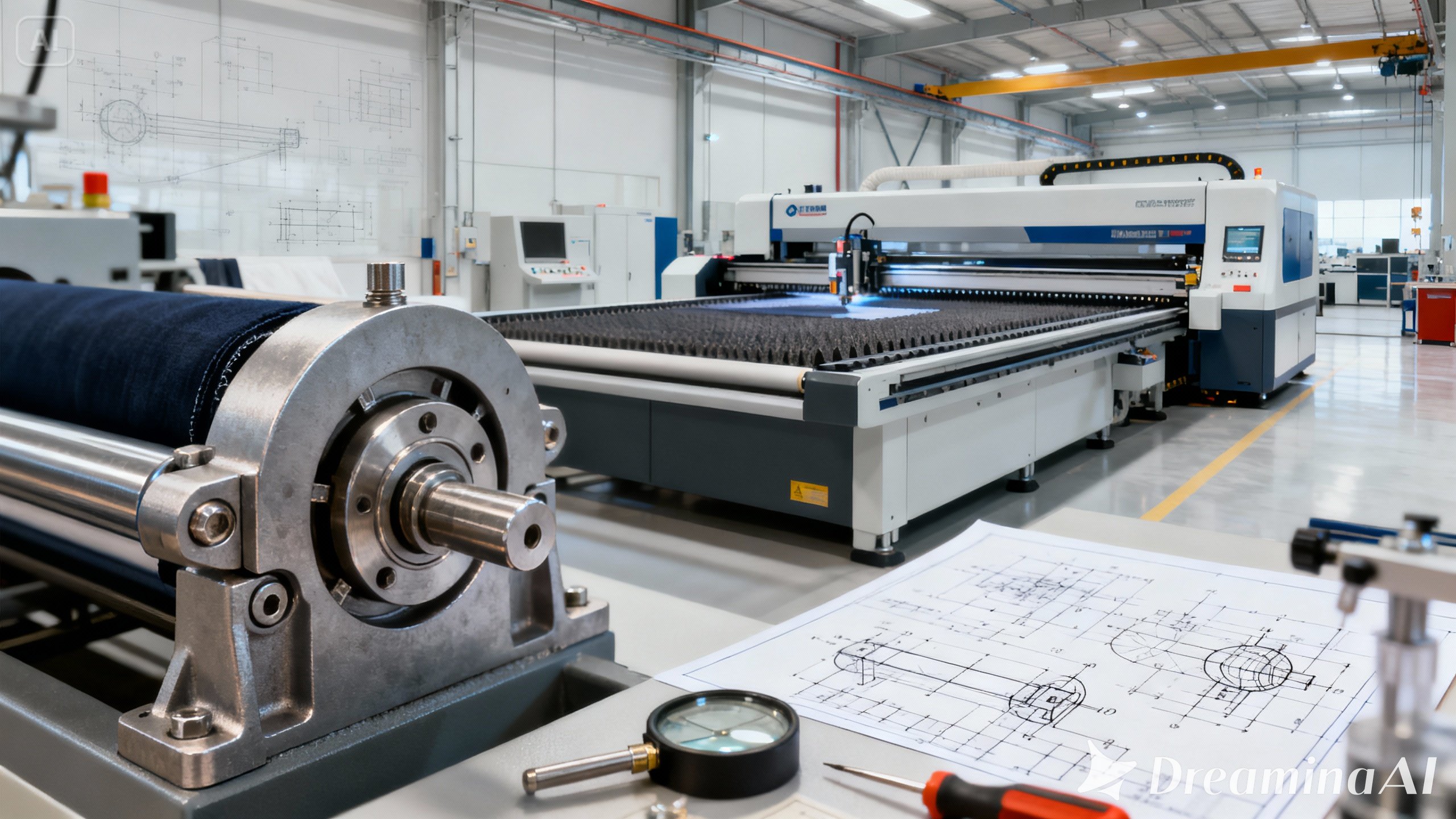
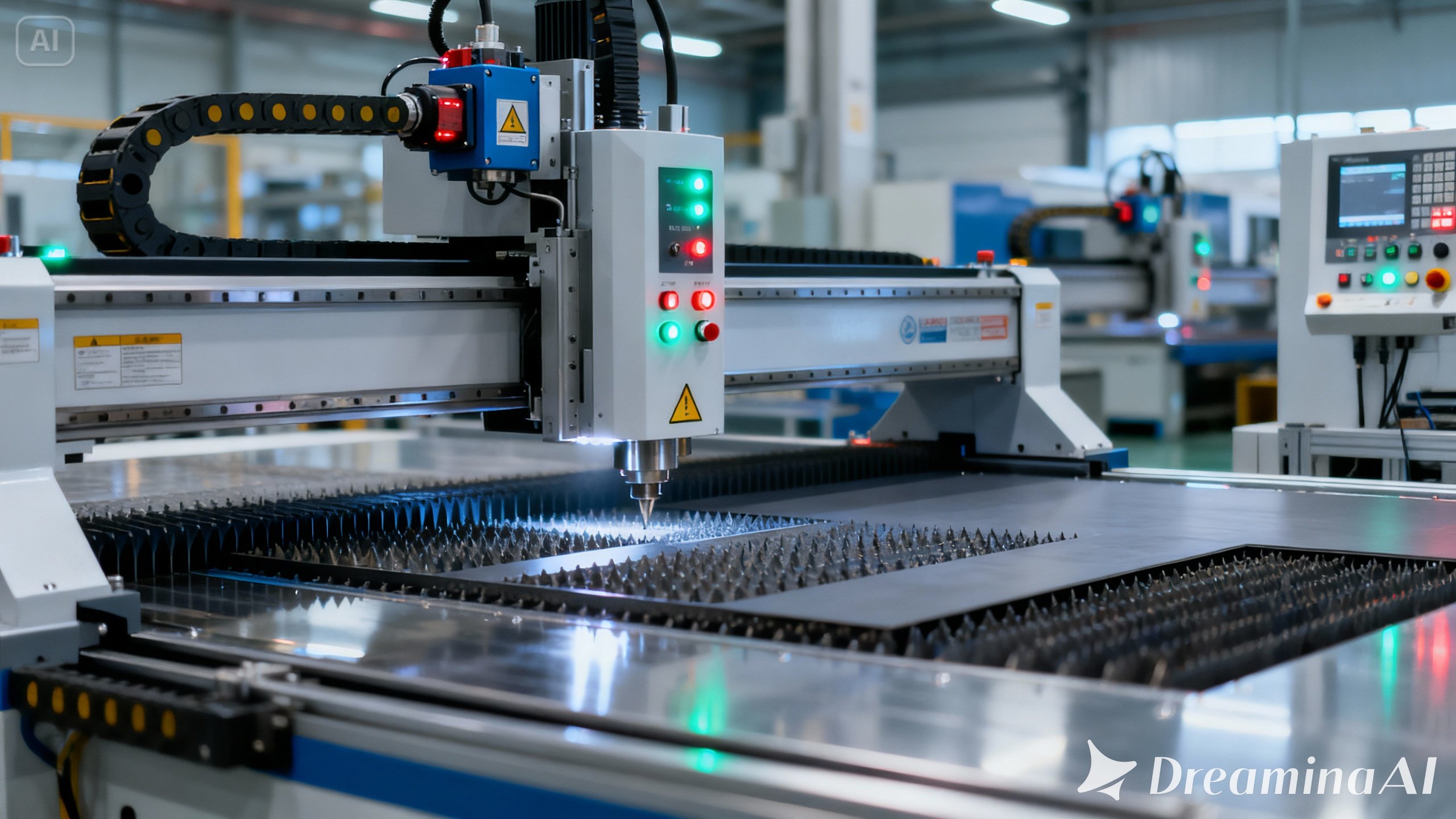
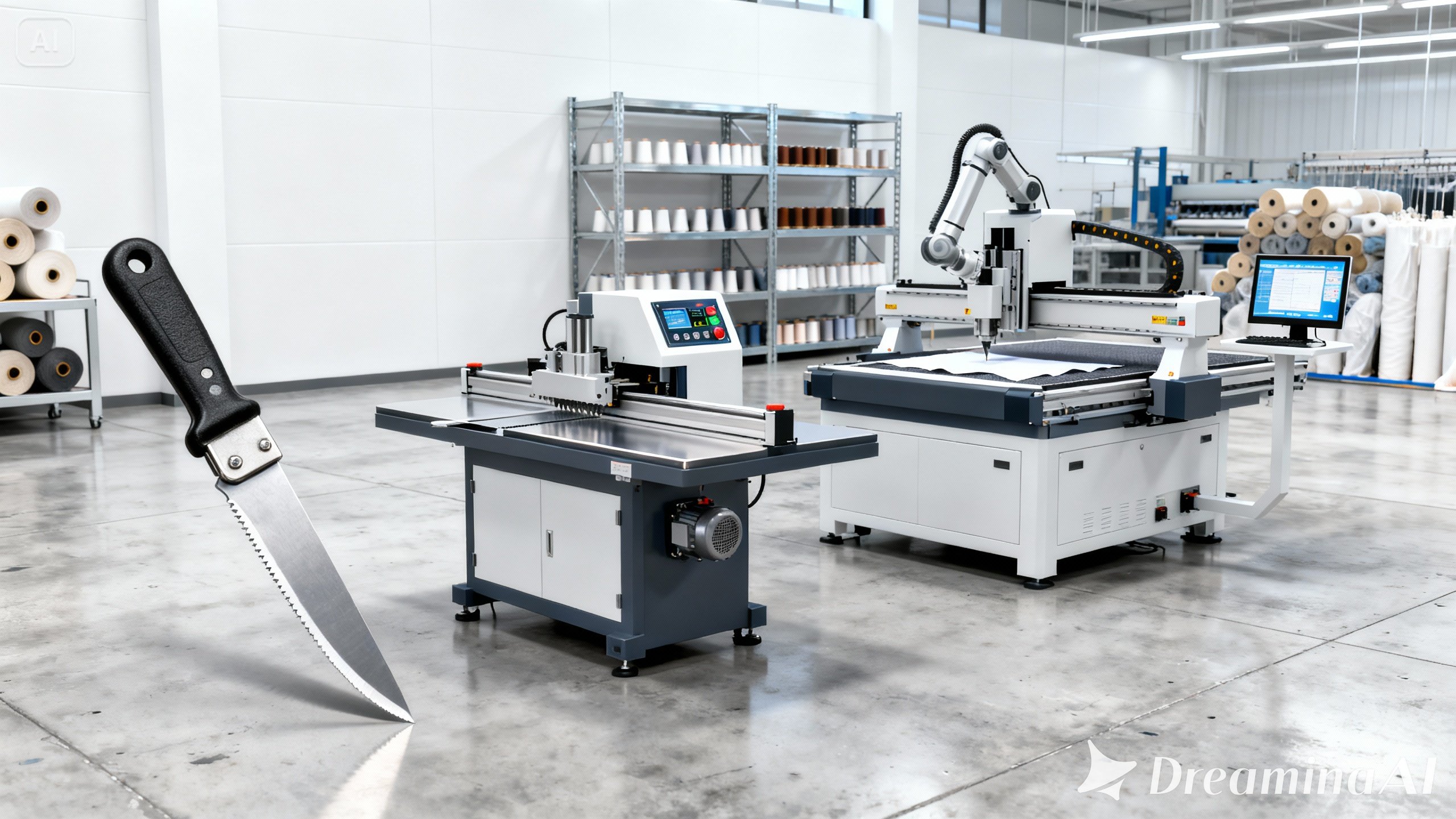
One of the most significant advancements in recent years has been the widespread adoption of laser cutting machines. Not only are they capable of achieving incredibly precise cuts, but they also minimize fabric waste and reduce the risk of fraying. As a result, production quality has been significantly enhanced.
Moreover, because laser cutters require less manual handling, operational efficiency has improved across many textile factories.Sure! Please provide the sentences you’d like me to revise, and I will convert the passive voice into active voice for you.
2. AI-Powered Smart Cutting Systems
Another breakthrough comes in the form of artificial intelligence and machine learning integration. With smart sensors and predictive algorithms, cutting machines can now automatically adjust speed, blade pressure, and alignment in real time.
Thanks to this, the system reduces downtime and minimizes human error. Additionally, it automatically recognizes and optimizes patterns, speeding up mass production. These AI-driven systems are not only more reliable but also more cost-effective in the long run.
3. Sustainable Cutting & Finishing Practices
Sustainability has become a priority across all sectors, and textiles are no exception. Designers are creating new machines with eco-efficiency in mind—they consume less energy, produce minimal waste, and use recyclable materials.
Moreover, waterless finishing systems are gaining traction. These machines, often used in denim and technical wear, eliminate the need for large-scale water consumption while maintaining garment quality and finish.
4. Automated Spreading & Cutting Integration
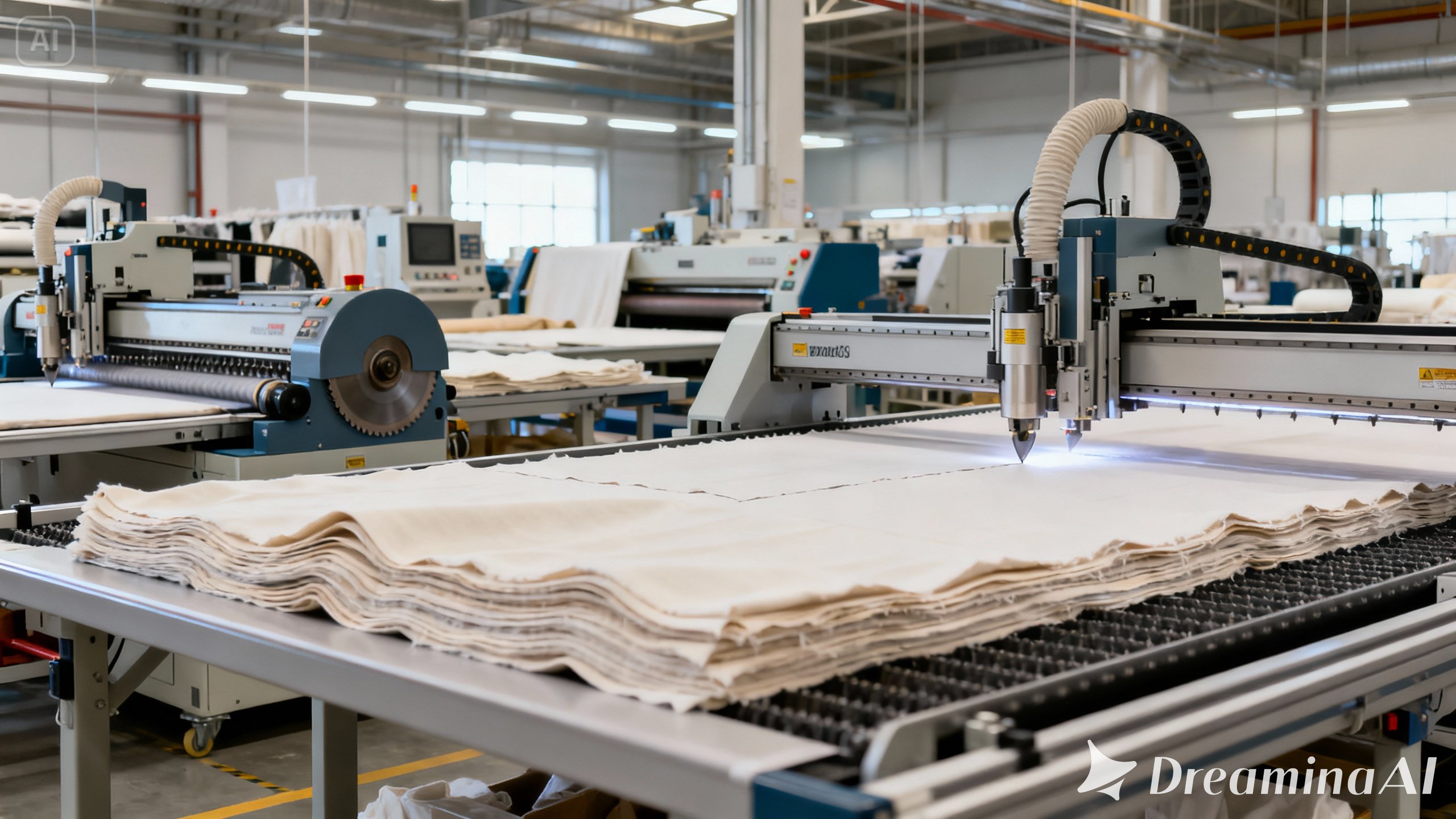
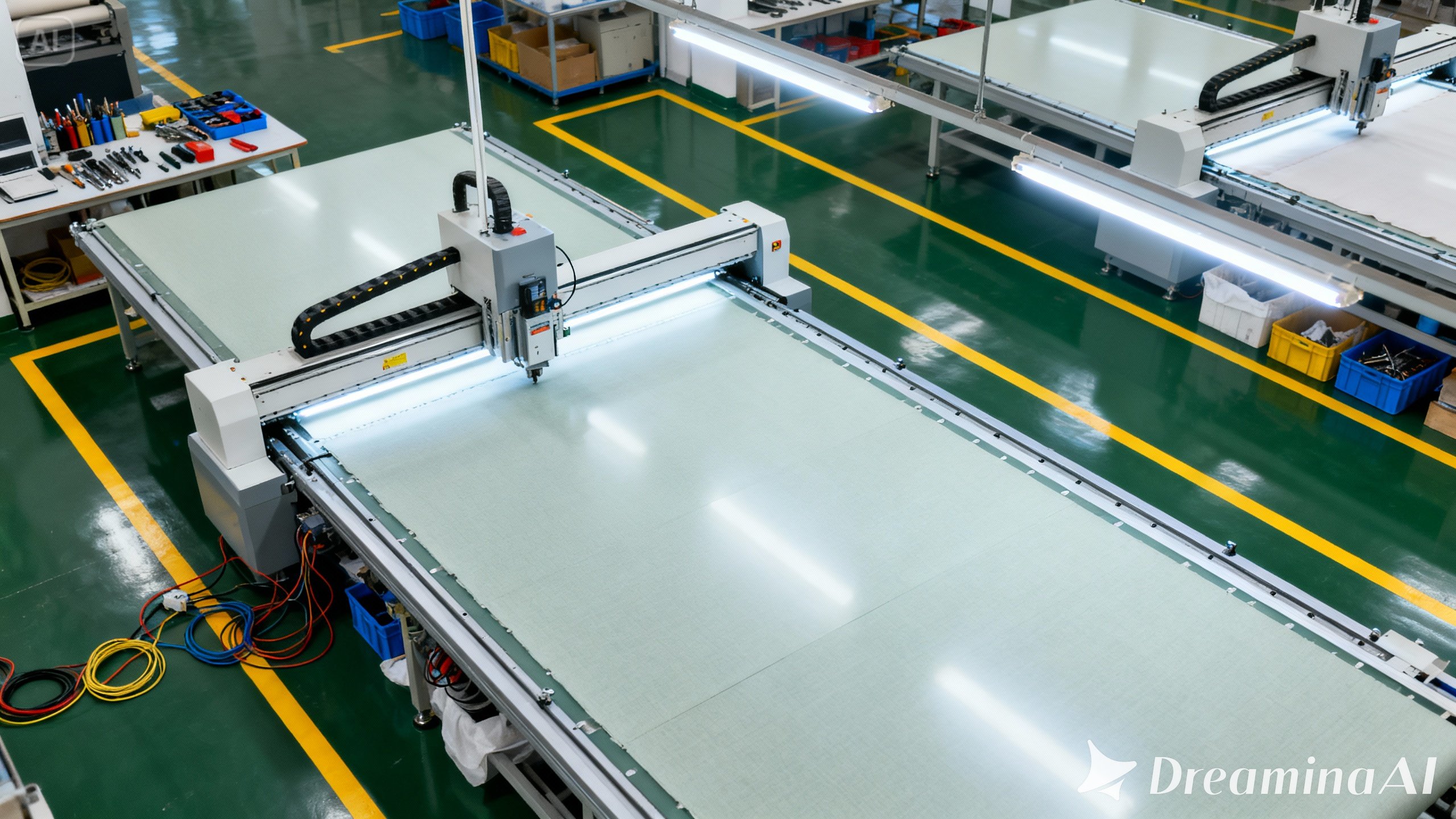
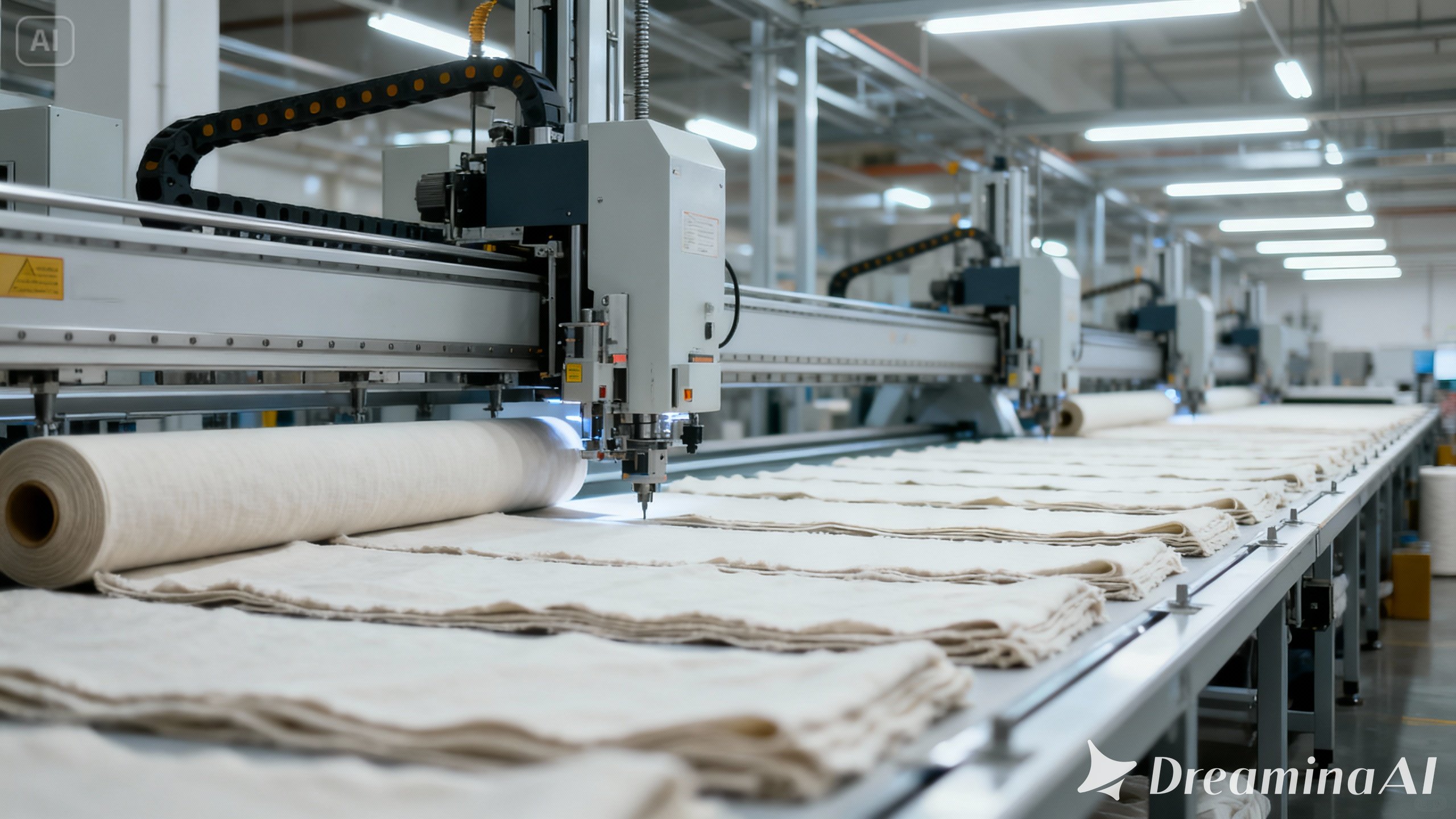
To further streamline production, companies are now integrating automated fabric spreading with cutting systems. These integrated solutions allow continuous operation with less intervention.
Furthermore, when paired with digital pattern software, this setup significantly speeds up sampling and bulk production alike.
5. IoT Connectivity & Remote Monitoring
Another game-changer is the Internet of Things (IoT). Modern textile cutting machines are being equipped with IoT-enabled dashboards. Through these, operators can track machine performance, receive maintenance alerts, and remotely monitor productivity metrics.
By embracing connected technologies, production facilities can ensure proactive maintenance and significantly reduce unexpected downtimes.
6. Digital Finishing Techniques Are on the Rise
Textile finishing is also undergoing a transformation. Digital printing and finishing machines can now apply finishes such as waterproofing, softening, or anti-bacterial coatings with pinpoint accuracy. Compared to traditional methods, these digital solutions are faster and reduce chemical usage.
In addition, multi-functional finishing machines have been introduced that combine pressing, drying, and coating into a single process saving space and time on the factory floor.
Final Thoughts
The future of textile cutting and finishing is intelligent, automated, and sustainable. From AI-enhanced cutting to eco-friendly finishing, modern equipment is driving a new era of innovation in textile production. While older systems still exist in many factories, upgrading to the latest technology is no longer a luxury it is becoming a necessity to stay competitive in 2025 and beyond.
For manufacturers aiming to optimize their workflow, improve product quality, and reduce their environmental footprint, adopting these trends is not just recommended it’s essential.