Meta Description:
Confused between manual and automated fabric spreaders? Discover which option saves more fabric, boosts speed, and fits your production needs in 2025.
1. Understanding Fabric Spreading
Before diving into the comparison, it’s important to understand what fabric spreading entails. In simple terms, fabric spreading is the process of unrolling fabric and laying it out in layers before cutting. The goal is to ensure the fabric lies flat and smooth, which allows for accurate and consistent cutting.
2. Manual Fabric Spreaders
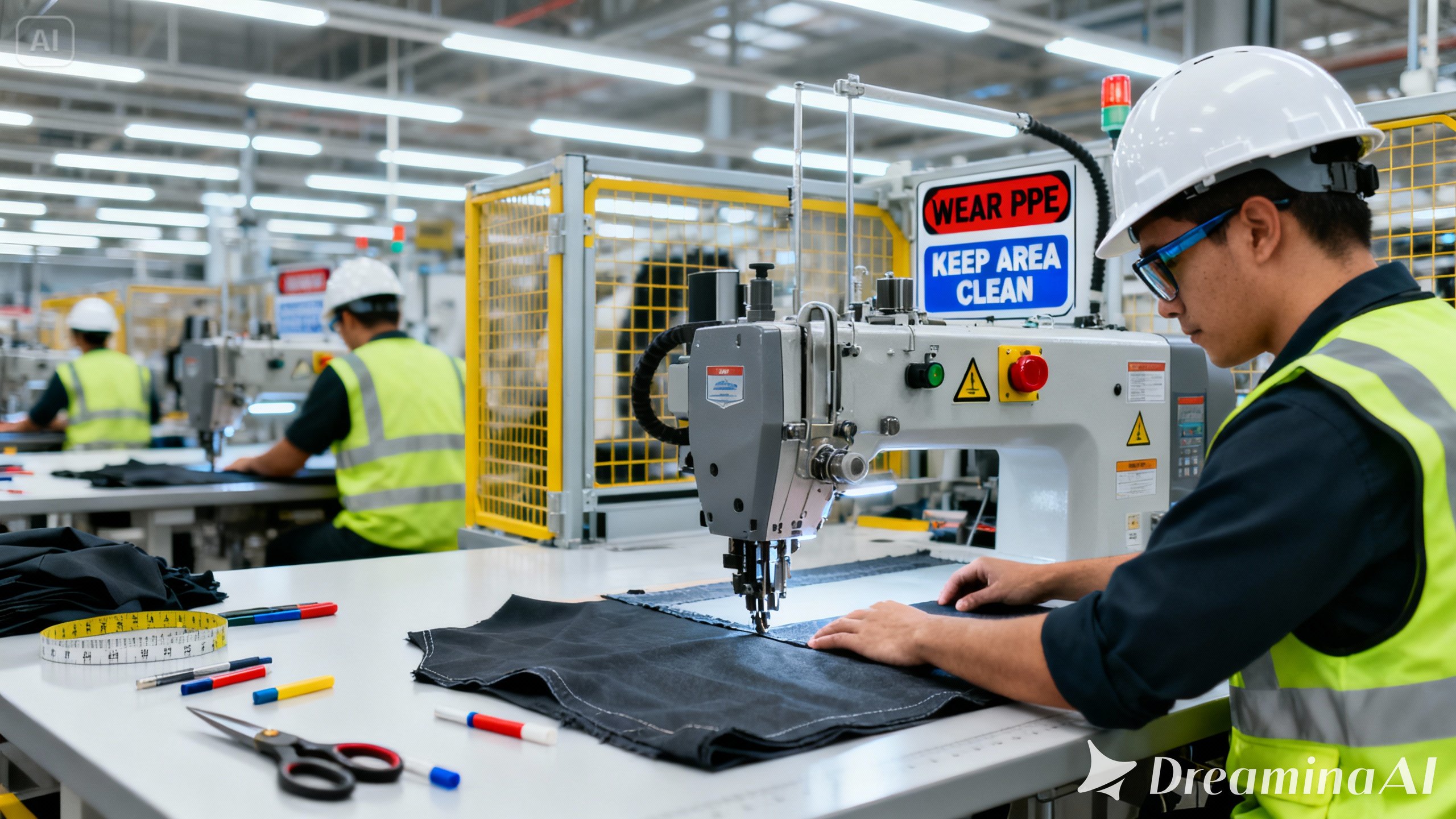
Manual fabric spreading is a traditional approach where workers handle the spreading process using simple tools or by hand. However, this method requires less initial investment; moreover, it is labor-intensive and more prone to human error
Advantages of Manual Spreaders:
- Low cost of entry
- Ideal for small-scale operations
- Flexible with different fabric types
Drawbacks:
- Increased labor demand
- Higher risk of misalignment and tension issues
- Slower production time
Furthermore, due to the physical effort required, fatigue often sets in, leading to inconsistent spreading. Over time, these inconsistencies can lead to significant fabric wastage, which directly affects profitability.
3. Automated Fabric Spreaders
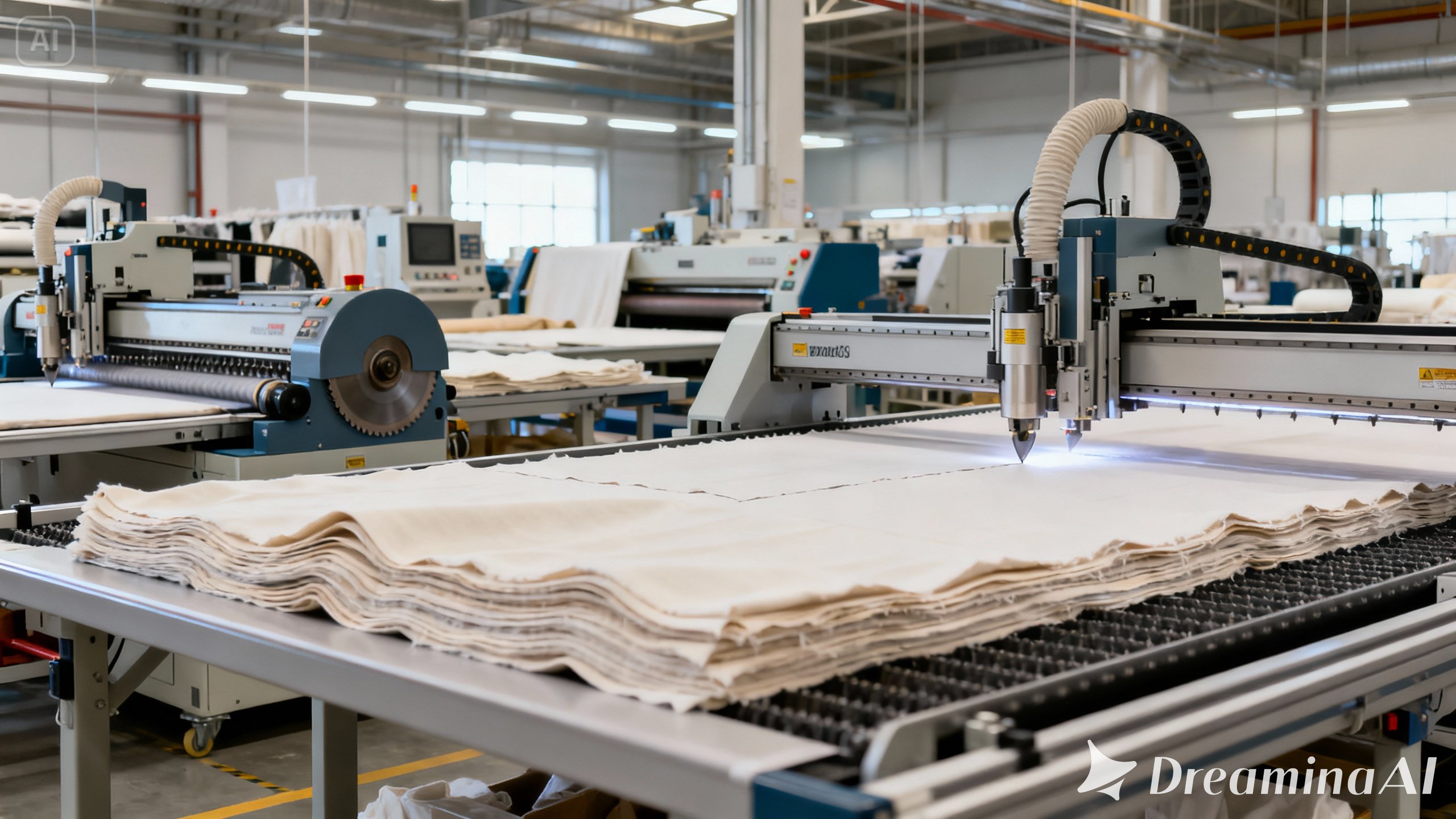
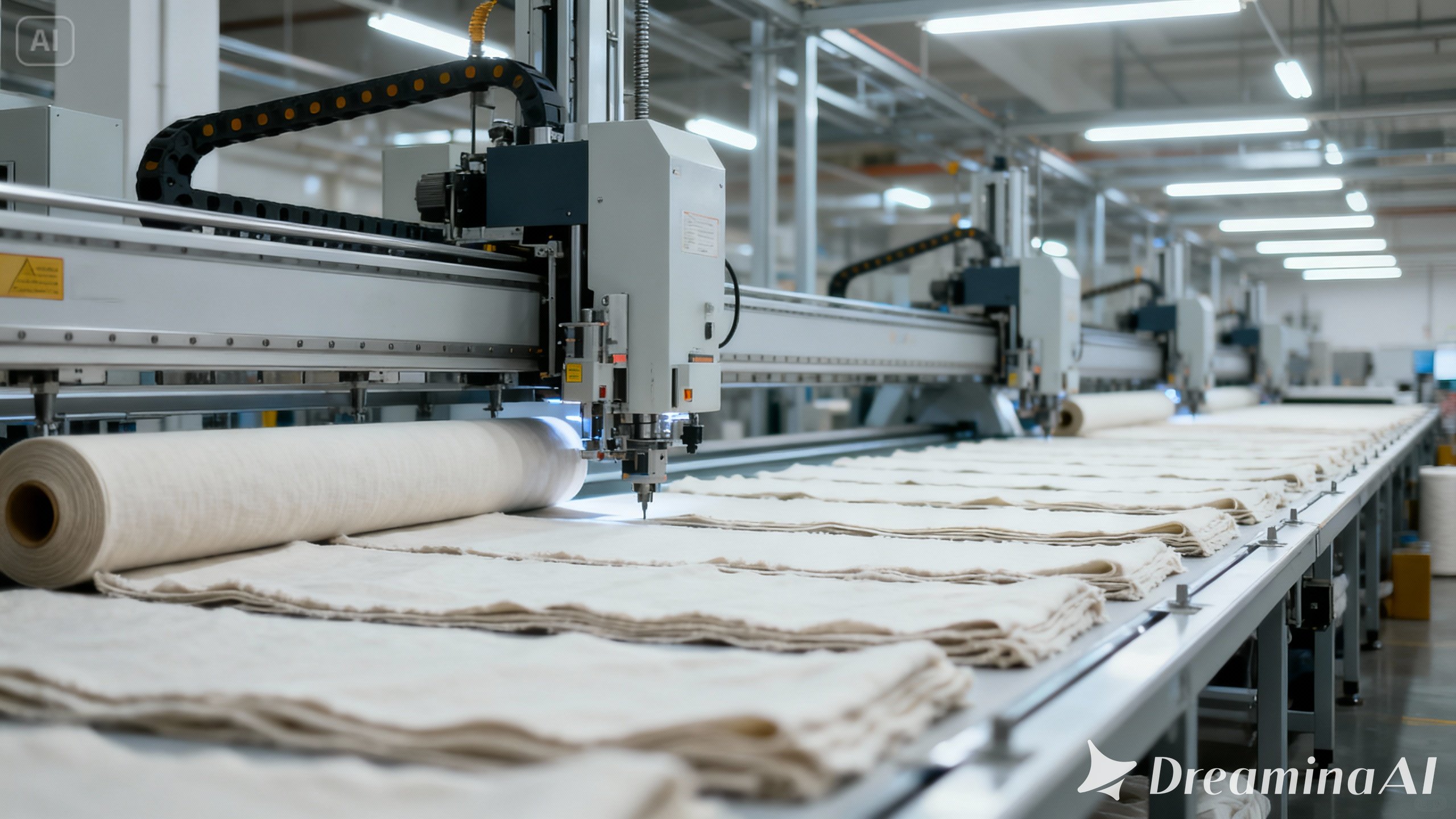
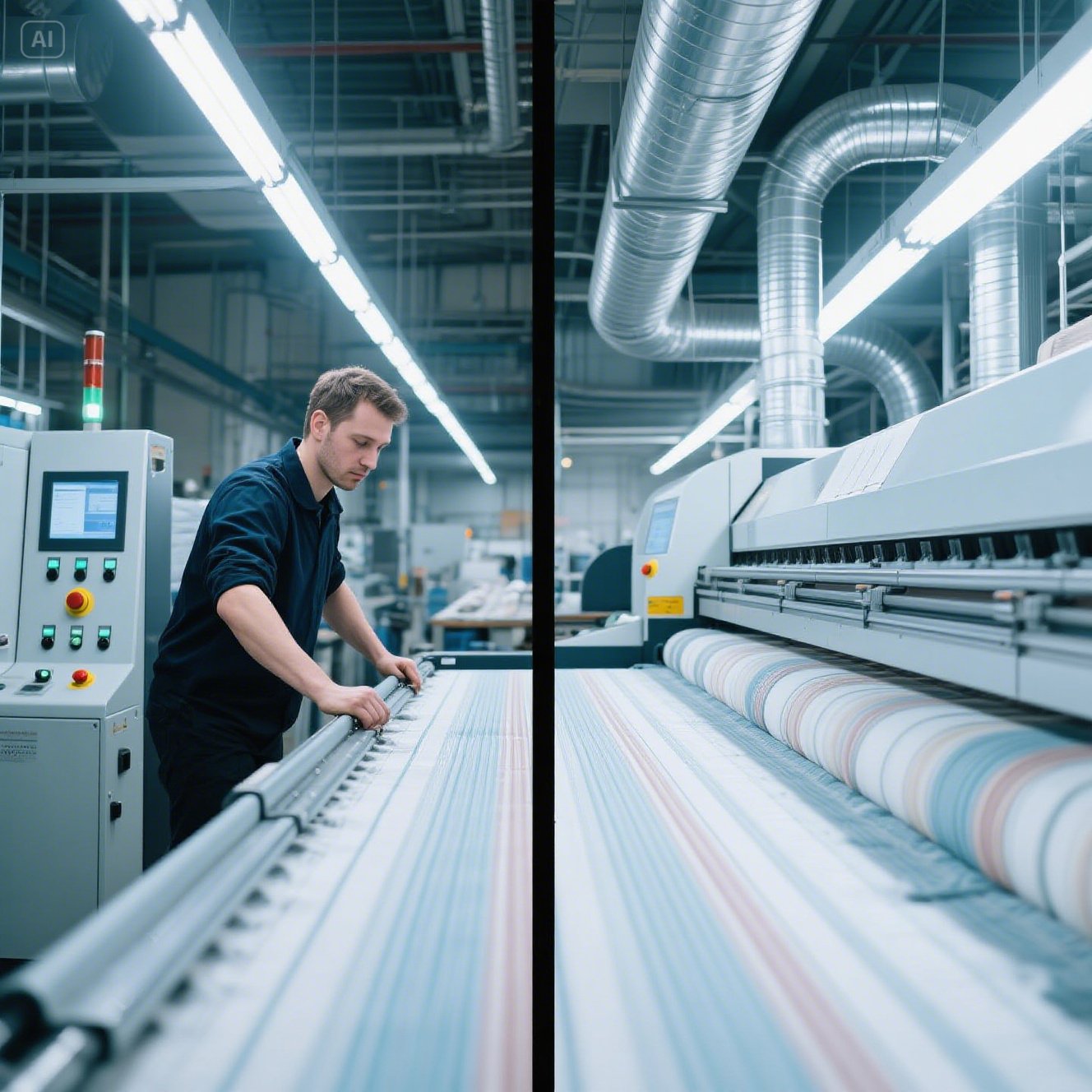
Automated spreaders have revolutionized textile manufacturing. With features like tension control, edge alignment, and automatic layer counting, these machines ensure precise, repeatable results with minimal human input.
Benefits of Automated Fabric Spreaders:
- Time-saving and efficient
- Reduces fabric waste significantly
- Ensures consistent spreading across all layers
- Lower long-term labor costs
Moreover, automated systems often include sensors and programmable logic that allow them to adjust settings based on the fabric type and required specifications. As a result, operators make fewer errors, and overall productivity improves significantly.
Considerations:
- Higher initial investment
- Requires trained personnel for setup and maintenance
However, when viewed in the context of long-term gains, the cost is usually offset by increased output, reduced waste, and improved product quality.
4. When Should You Upgrade?
If your facility is scaling operations or struggling with fabric waste, it might be time to consider an upgrade to automation. Businesses that switch from manual to automated spreading often report a 15–25% increase in fabric efficiency, along with faster turnaround times.
Moreover, automated machines are now more accessible and come in various configurations to suit medium and large-scale manufacturers.
5. Cost vs. Value
While the initial investment in an automated system may seem high, the return on investment (ROI) becomes evident over time. Not only is labor optimized; additionally, fabric usage is maximized, which reduces material costs and enhances profit margins.
Conclusion: What’s Right for You?
In summary, the decision between manual and automated fabric spreaders should be made based on several factors. Therefore, it is important to consider your specific needs and operational goals. Additionally, evaluating the long-term benefits and costs can help in making an informed choice
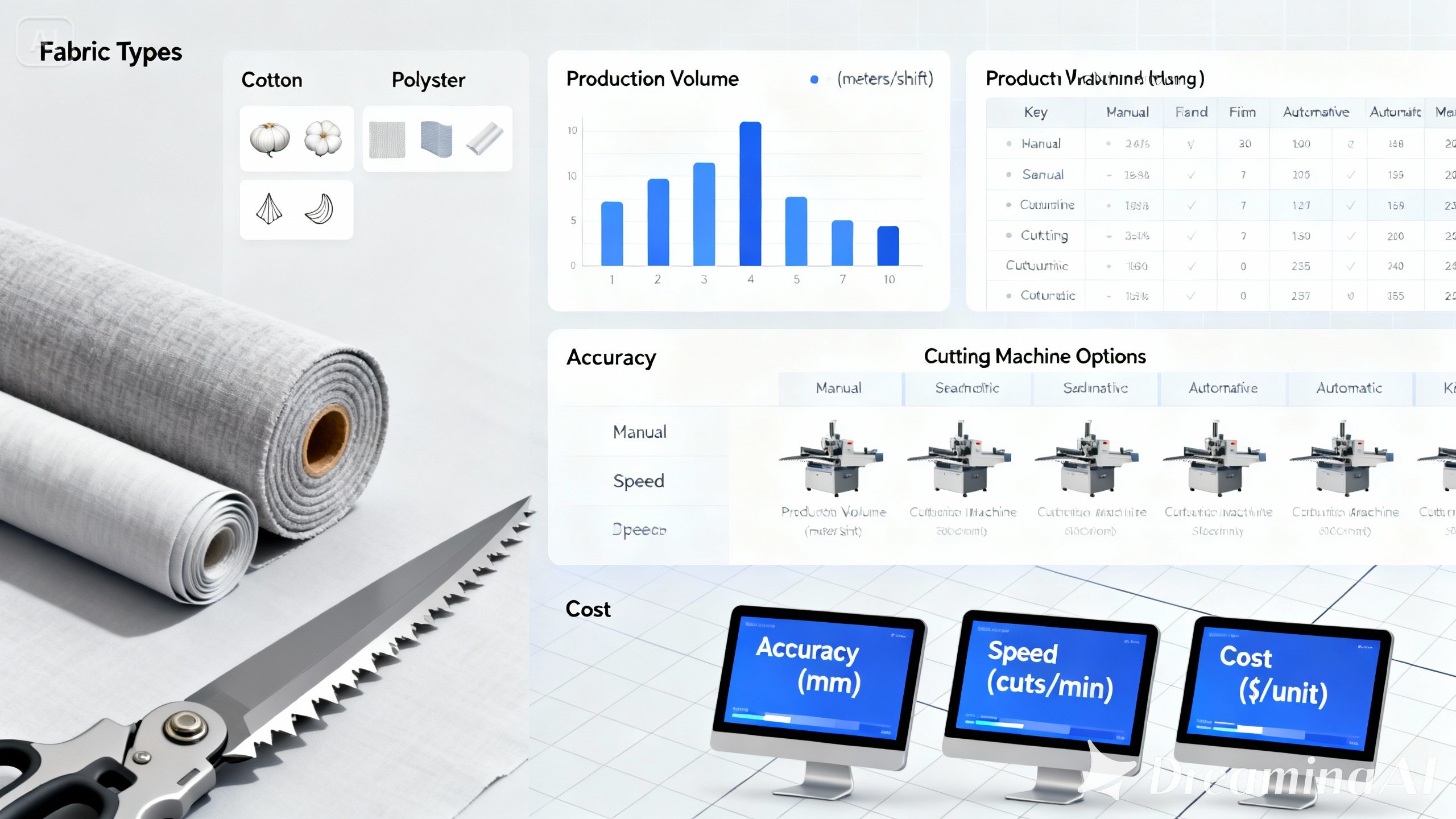
- Production volume
- Budget
- Skilled labor availability
- Fabric types used
For low-volume, budget-conscious operations, manual spreading may suffice. However, for businesses looking to scale, cut waste, and increase throughput, the advantages of automated systems cannot be overstated. Moreover, automated systems help improve efficiency and consistency.
Pro Tip: If your team is ready to move toward automation, start with hybrid systems that combine manual handling with semi-automated features. These can ease the transition and reduce upfront costs.