Meta Description
Learn how to reduce fabric waste in the cutting room with proven, industry-tested strategies. Discover methods that increase efficiency, save costs, and promote sustainable garment production.
Zero-Waste Cutting: Proven Strategies to Reduce Fabric Waste in the Cutting Room
In the garment industry, fabric accounts for the largest portion of production costs. Despite its value, the cutting process often wastes a considerable amount of material. This waste not only increases production expenses but also harms environmental sustainability. Therefore, companies should adopt effective strategies to reduce fabric waste and maximize profitability.
Proper Fabric Utilization Should Be Planned in Advance
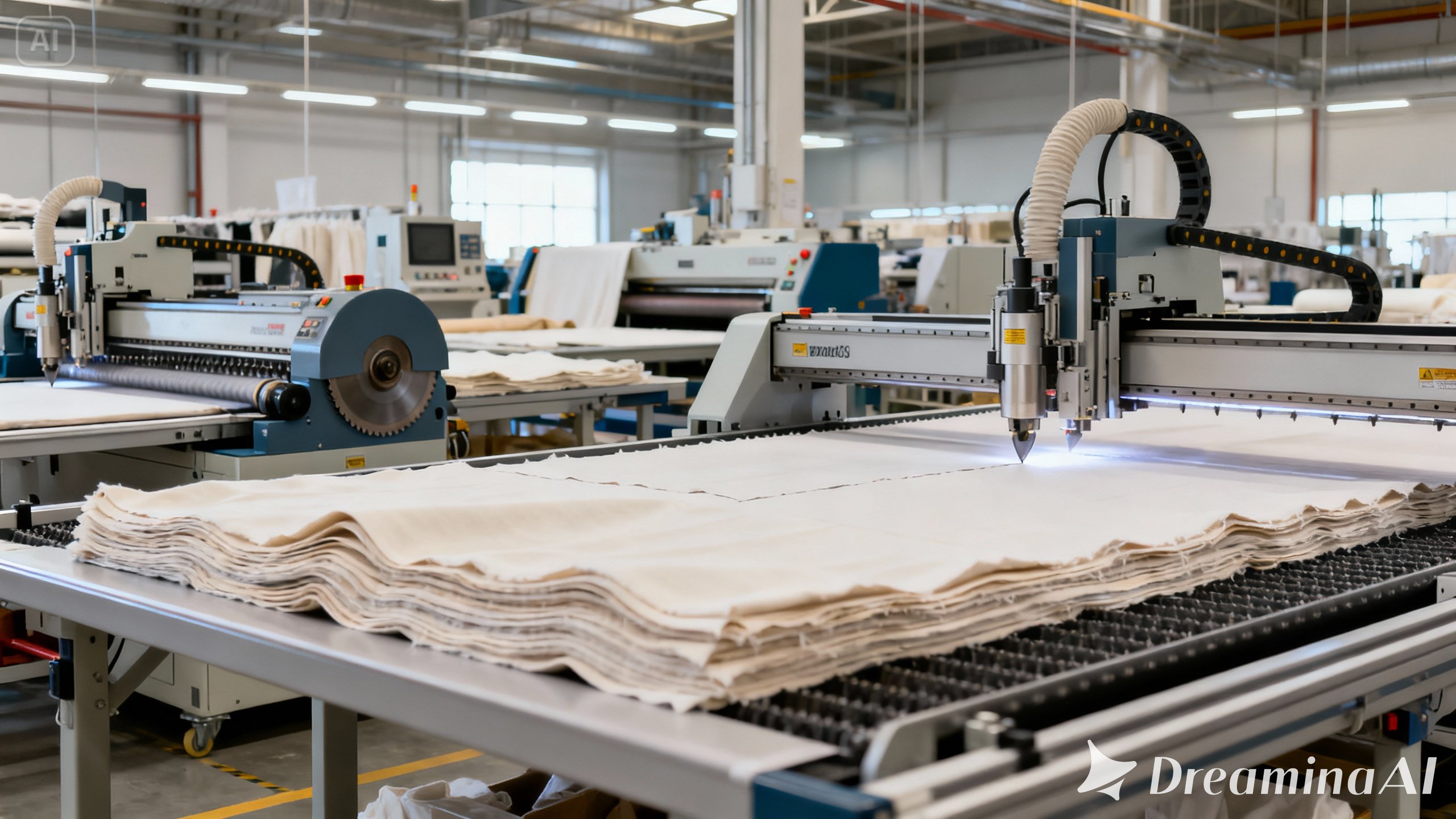
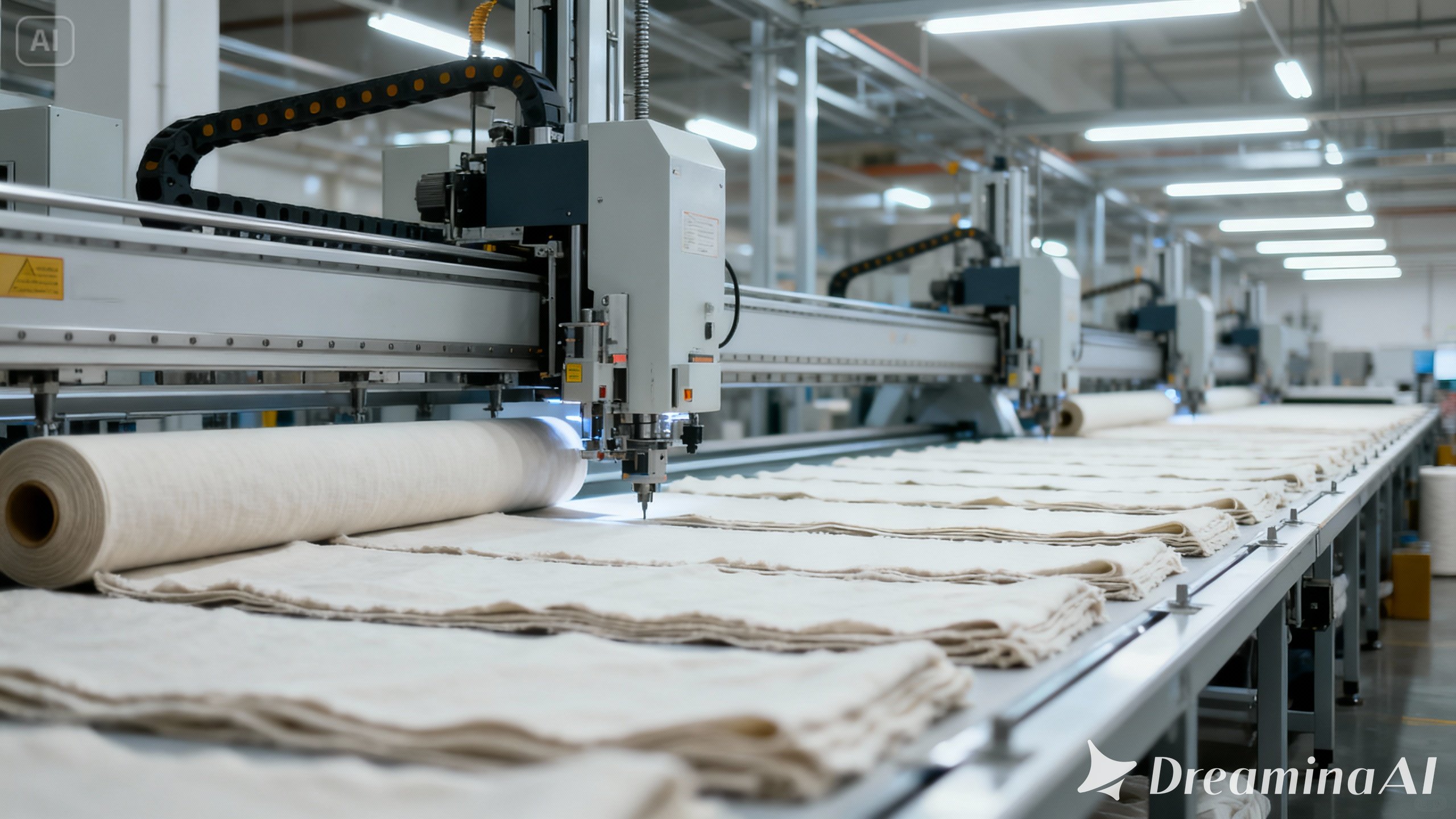
One of the most effective ways to minimize waste is to carefully plan the cutting process. Modern factories often use CAD-based marker-making software to optimize fabric layout.
“Create marker plans digitally to utilize fabric to its fullest potential and produce minimal leftover scraps.”
Moreover, pre-production planning ensures that workers account for every roll of fabric before cutting begins. This approach not only reduces waste but also speeds up the entire production cycle.
Implement CAD/CAM Technology
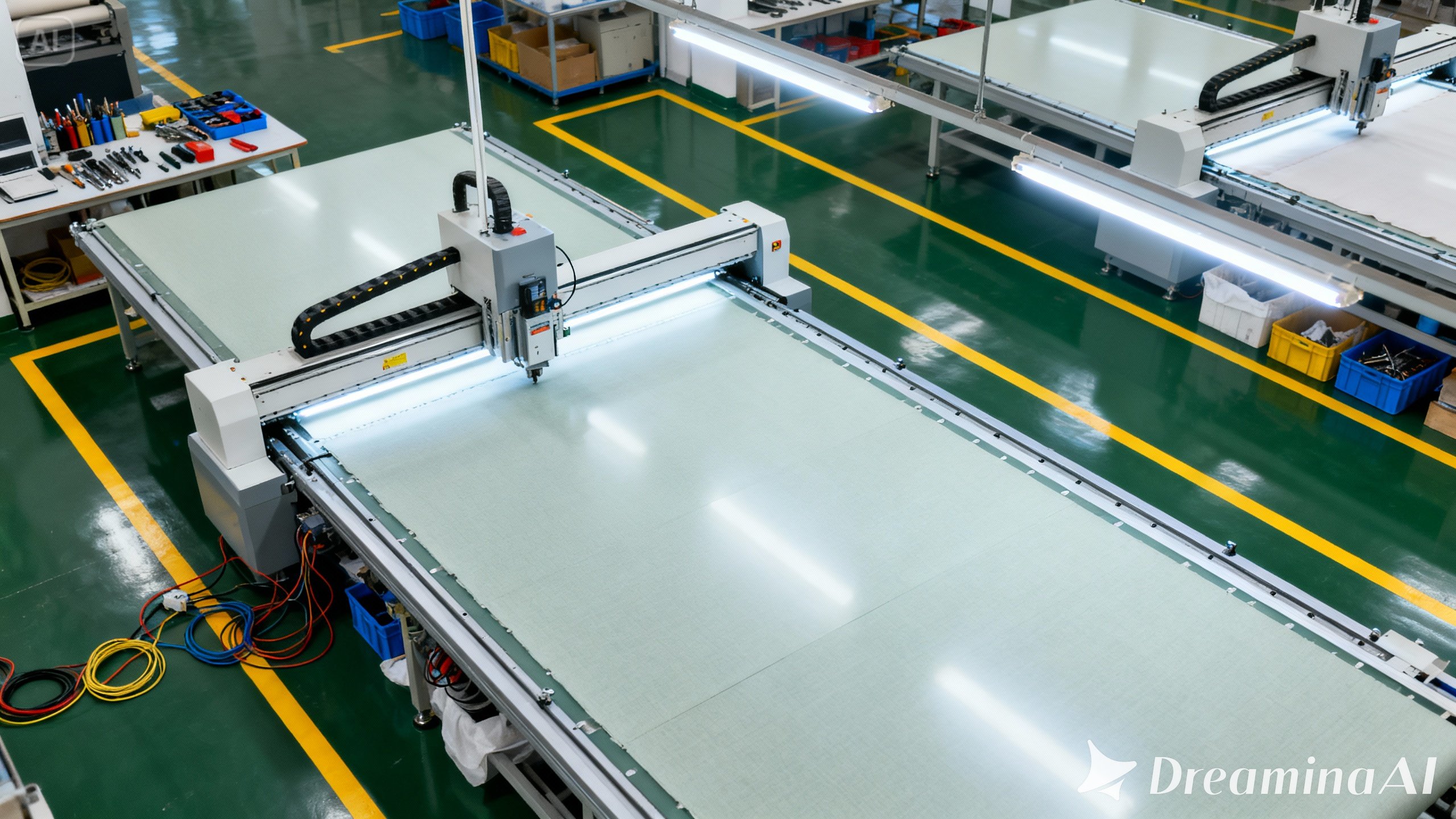
Technology has transformed how companies cut fabric. CAD (Computer-Aided Design) and CAM (Computer-Aided Manufacturing) systems allow users to automatically optimize layouts for maximum efficiency.
Furthermore, digital systems allow designers and operators to reuse, modify, and store patterns, which eliminates repeated manual errors and reduces waste caused by inconsistent layouts.
Leftover Fabric Should Be Reused or Recycled
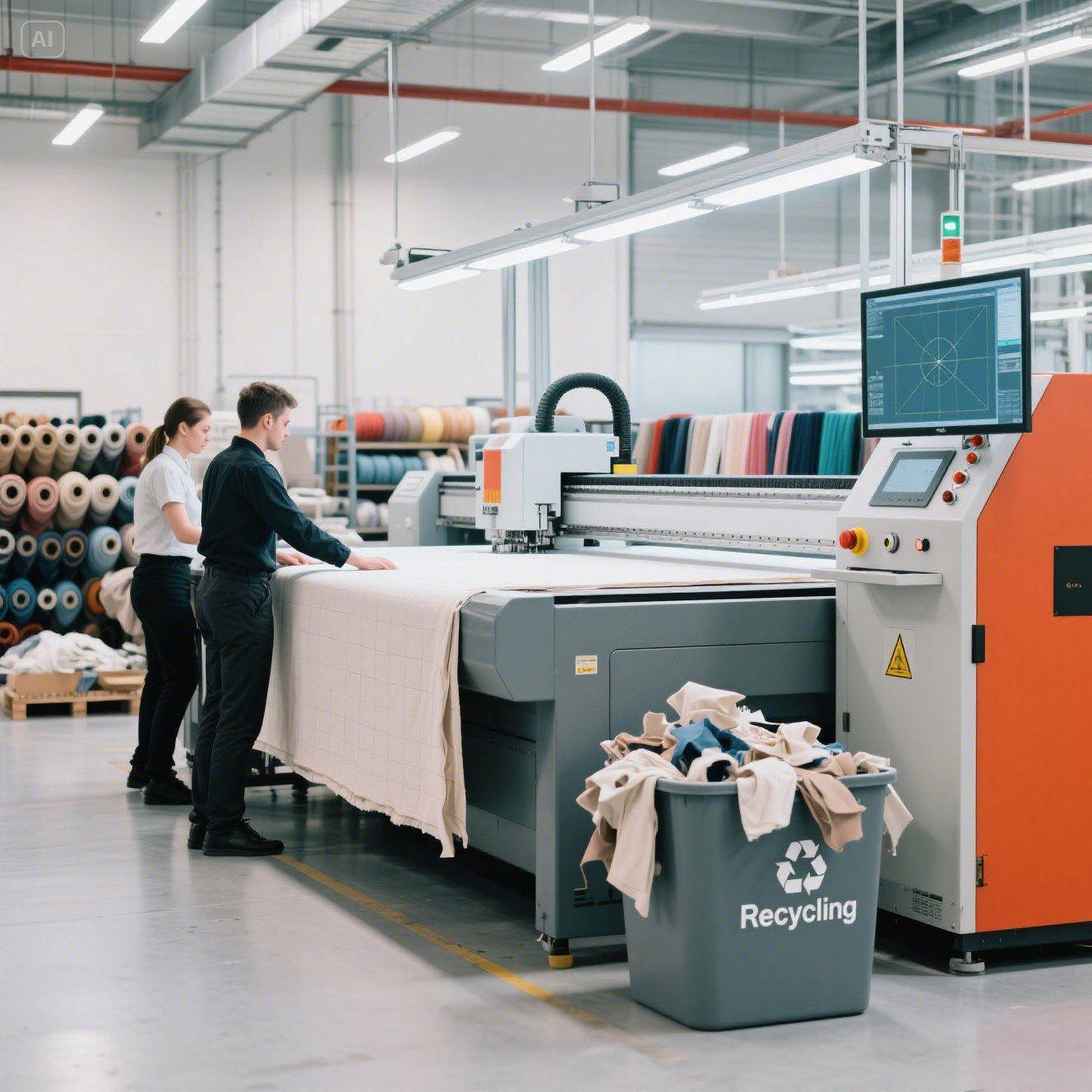
Even with the best planning, some fabric offcuts are inevitable.However, these materials should never be simply discarded.
“Workers often use small leftover pieces for sample making, smaller garments, or accessories.”
Additionally, many factories establish partnerships with recycling companies to repurpose textile waste instead of sending it to landfills. This practice reduces environmental impact and enhances a company’s sustainability profile.
Prioritize Operator Training
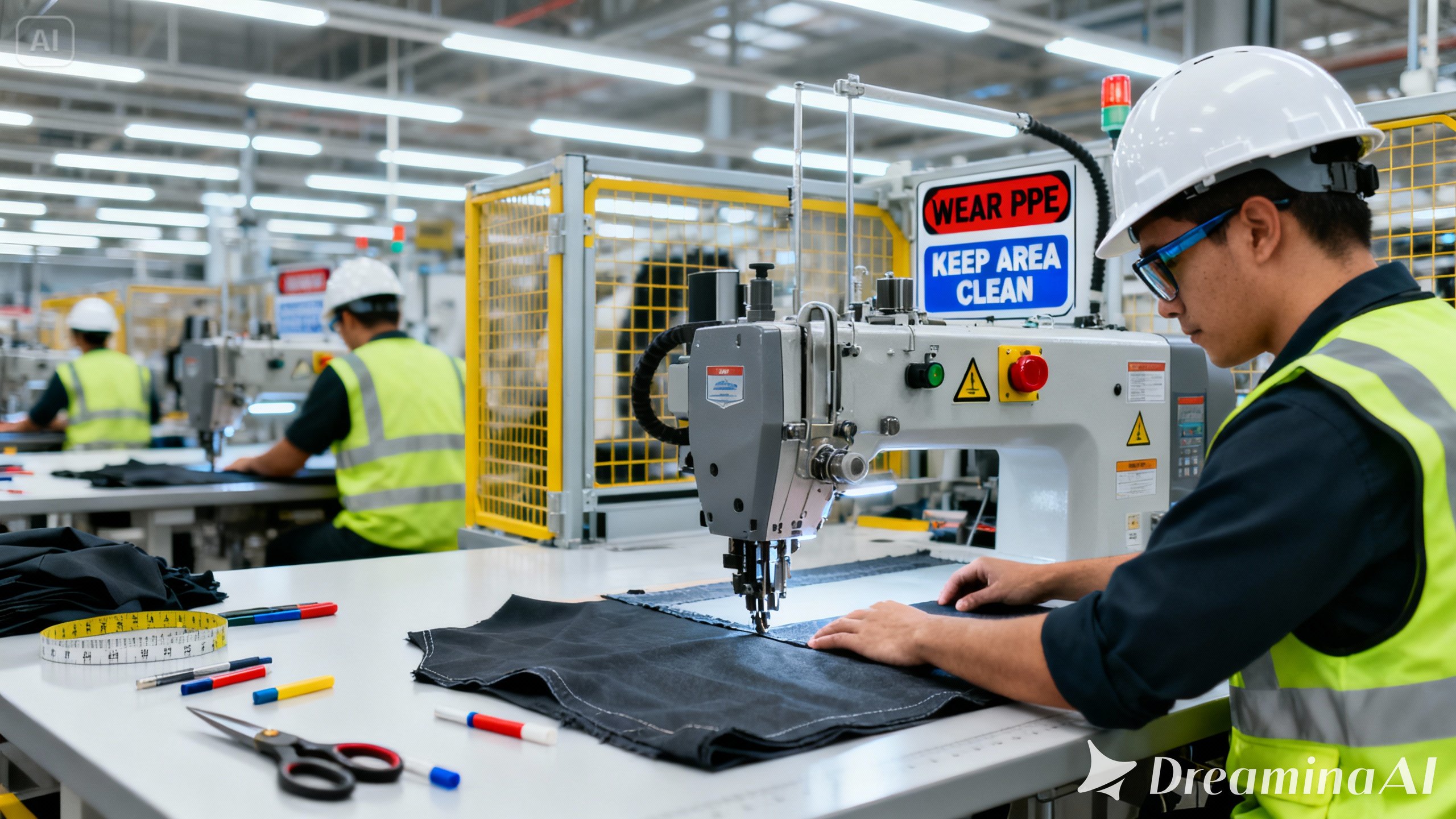
No matter how advanced the technology becomes, humans play a critical role in reducing waste. When operators receive training in precision cutting, they drastically reduce material loss.
Therefore, managers should conduct regular training sessions to keep workers up-to-date with the latest techniques and machinery.
Monitoring is an often-overlooked step in waste reduction. Without proper tracking, it becomes difficult to identify where waste is being generated.
In addition, companies can implement real-time monitoring systems to detect waste trends as they occur, making it easier to take corrective action immediately.
Make Pattern Adjustments to Minimize Waste
Sometimes, you can reduce waste simply by making small modifications to pattern designs. For example, designers can make slight changes in shape or size to allow pieces to fit more efficiently on the fabric roll.
Thus, creative design thinking can play a huge role in minimizing waste before the cutting process even begins.
Final Thoughts: Cutting Waste Without Cutting Quality
In conclusion, reducing fabric waste in the cutting room is both an economic and environmental necessity. Through proper planning, technology adoption, skilled workforce training, and waste monitoring, significant savings can be achieved without compromising garment quality.
By adopting these strategies, your cutting room can move closer to a zero-waste operation Saving costs, increasing efficiency, and contributing to a more sustainable fashion industry.